Why familiar protections mattered again
A respiratory virus can spread before a person realizes they are sick. That makes infection control a problem of shared air and shared surfaces, not just individual treatment. Masks can reduce the infectious particles a wearer releases into the air, while well-fitting masks can also reduce what the wearer breathes in. Handwashing addresses a different route: soap loosens grime and microbes so water can carry them away, especially before eating or after using the bathroom.
These measures are not interchangeable. Their usefulness depends on how a disease spreads, the setting, and how consistently people use them. For illnesses transmitted mainly through the air, improving ventilation and using masks in crowded indoor spaces may matter more than focusing on surfaces alone.
What vaccines add
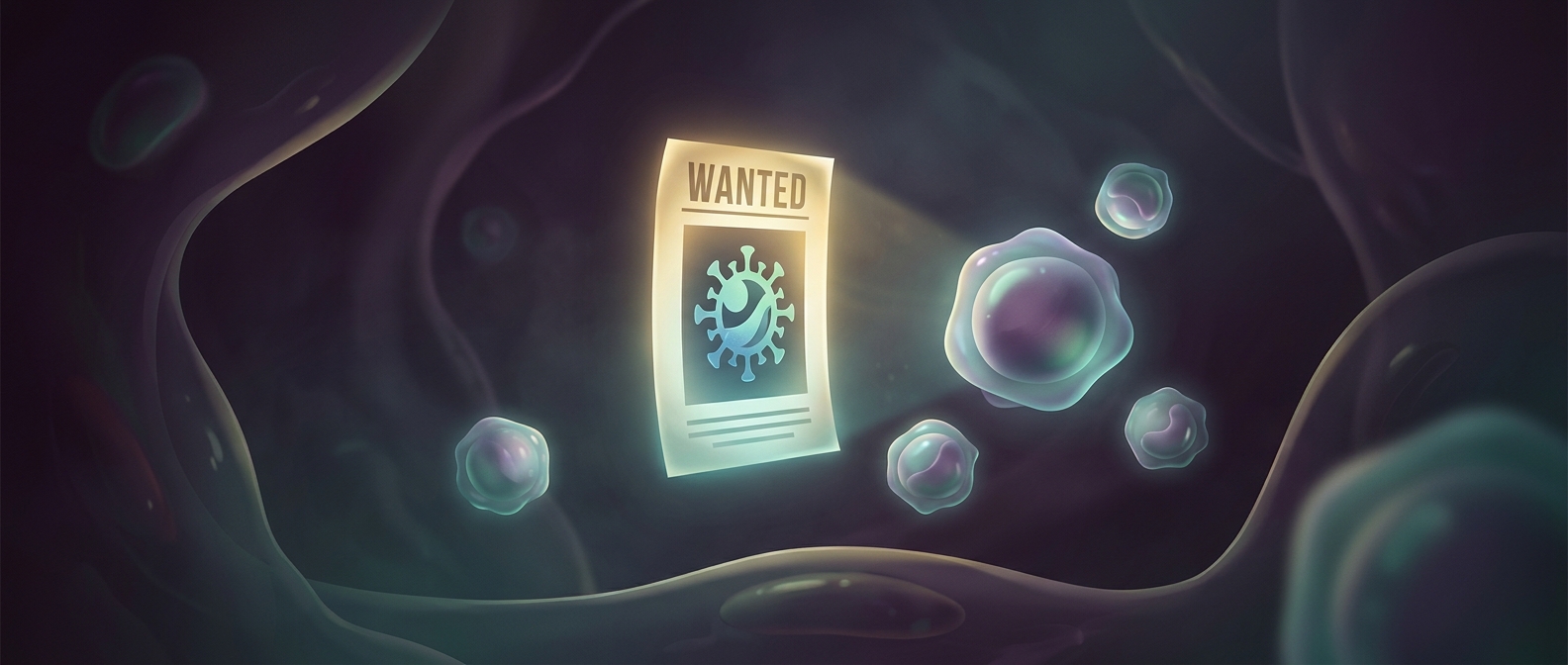
Vaccines prepare the immune system to recognize a pathogen without requiring the person to endure the full disease first. If exposure follows, that preparation can make infection less likely or reduce the risk of severe illness, depending on the vaccine and the disease. Vaccination therefore works alongside measures that limit exposure: one helps lower the chance that a pathogen reaches someone; the other helps the body respond if it does.
No single measure offers perfect protection. But layers can compensate for one another’s gaps. A mask may reduce exposure without eliminating it; a vaccine may not prevent every infection; handwashing cannot stop a virus carried in the air. Used appropriately together, these tools can reduce transmission and illness without relying on a cure after infection has already taken hold.
Simple tools, coordinated choices
The pandemic also exposed a practical constraint: protective measures work best when people can use them consistently. Clean water, access to vaccination, suitable masks, clear guidance, and the ability to stay home while ill all shape what protection looks like in real life. The lesson is not that modern medicine failed, or that old habits can replace it. It is that public health depends on both advanced treatment and everyday actions—often the ordinary actions that prevent a need for treatment in the first place.