A board between the horse and the driver
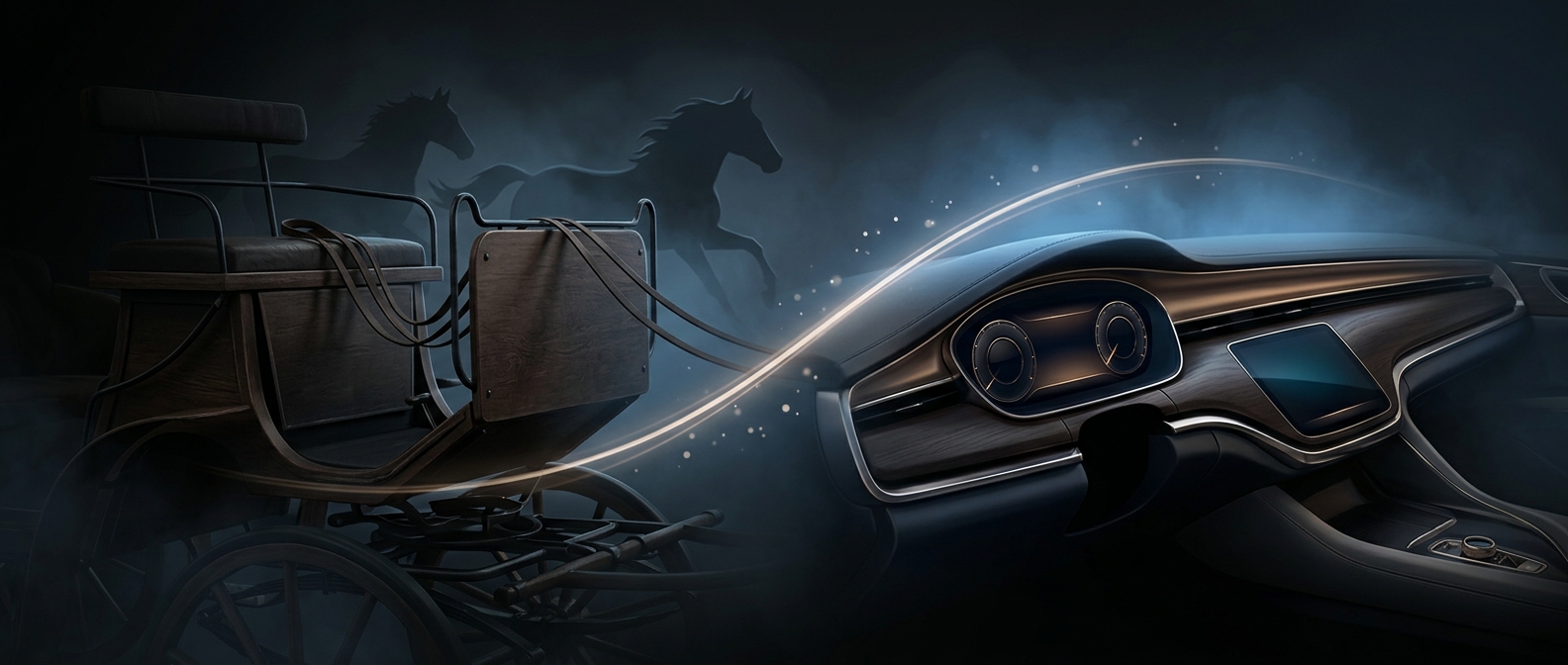
In a horse-drawn carriage, the dashboard was a literal board at the front of the vehicle. It stood between the horse’s hind legs and the driver, catching mud and other debris kicked backward by the hooves. The name reflects the action: the board stopped muck from “dashing” up toward the person holding the reins.
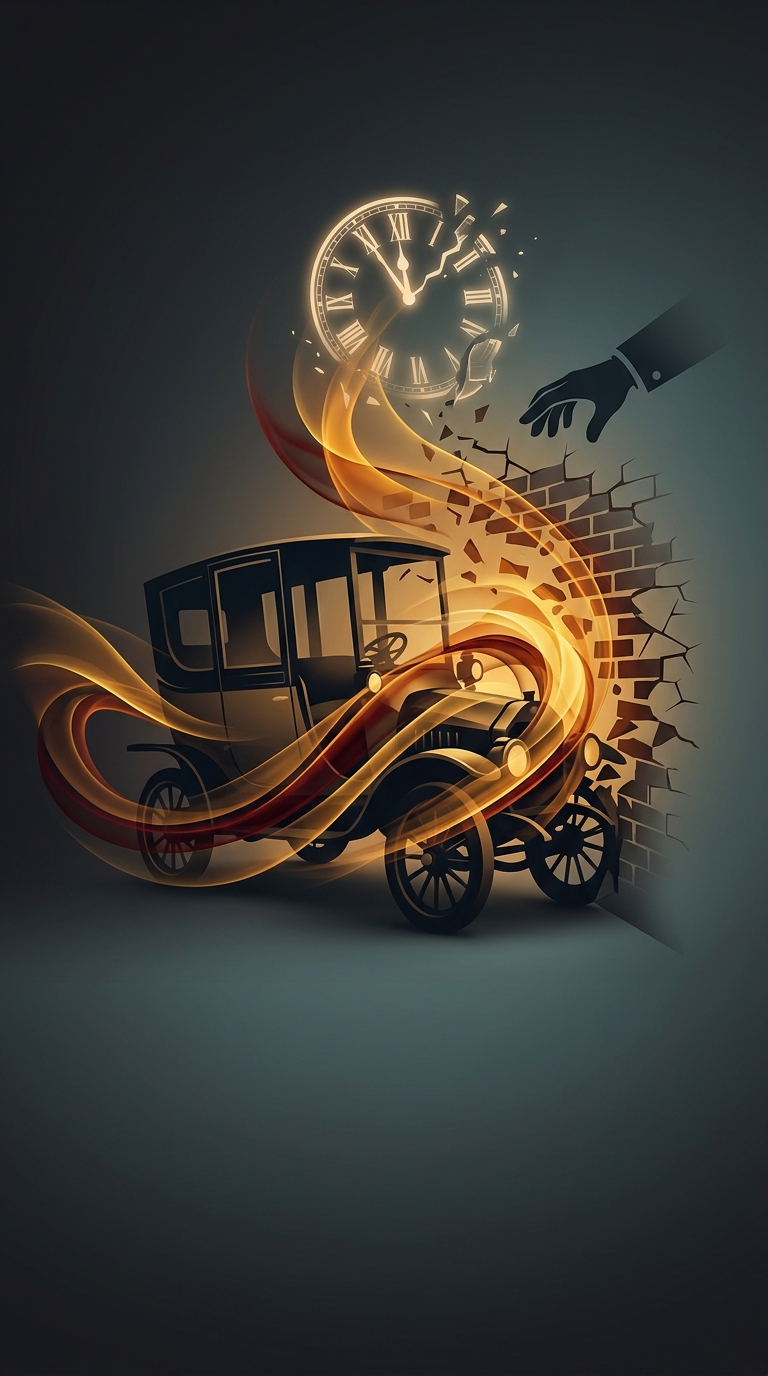
That placement also made the board a natural boundary between the vehicle’s moving machinery—or, at first, its animal power—and the people riding in it. When motorcars replaced horses, builders kept the familiar arrangement: a panel in front of the driver, beneath the windshield.
From barrier to control panel
The new vehicle gave that panel a different job. A driver no longer needed reins, but did need a way to operate and monitor an engine. As cars gained controls and instruments, manufacturers put them within reach and view, turning the old protective surface into a practical mounting place.
The transformation was gradual, not a single redesign. The dashboard’s position was already useful: it faced the driver and separated the passenger space from the vehicle’s front end. That made it an obvious home for gauges, switches, and later warning lights.
So the modern dashboard carries a trace of the carriage’s physical layout. Its most familiar signals—fuel, speed, and engine warnings—occupy the spot where a board once took the first hit from the road, delivered indirectly by a horse’s hooves.