A Planet Can Lose Its Sun and Keep Going
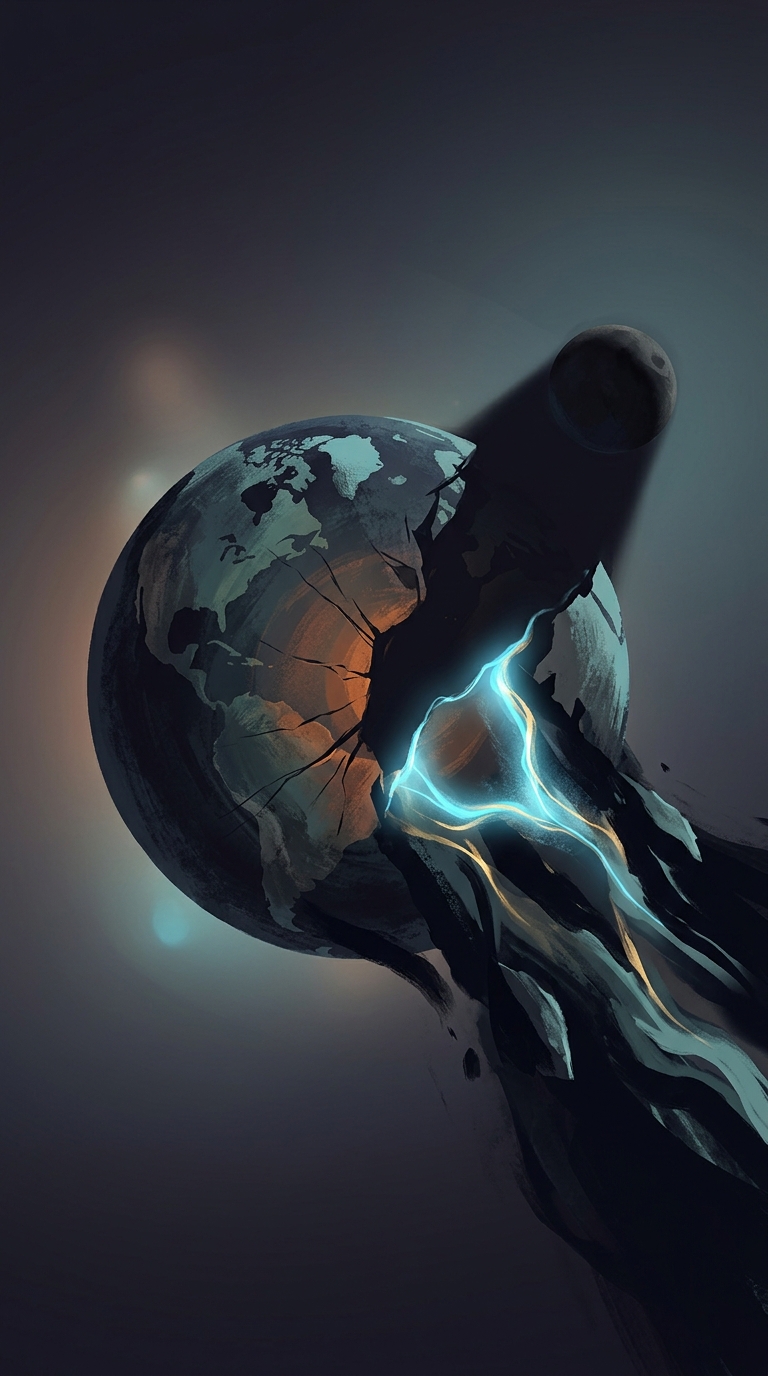
A planet does not need a star to remain a planet. If a young planetary system becomes gravitationally unsettled, close encounters between planets—or a passing star—can fling a world out of its orbit. The ejected planet then travels through the Milky Way without a nearby sun, carried along with the galaxy rather than aimed at any destination.
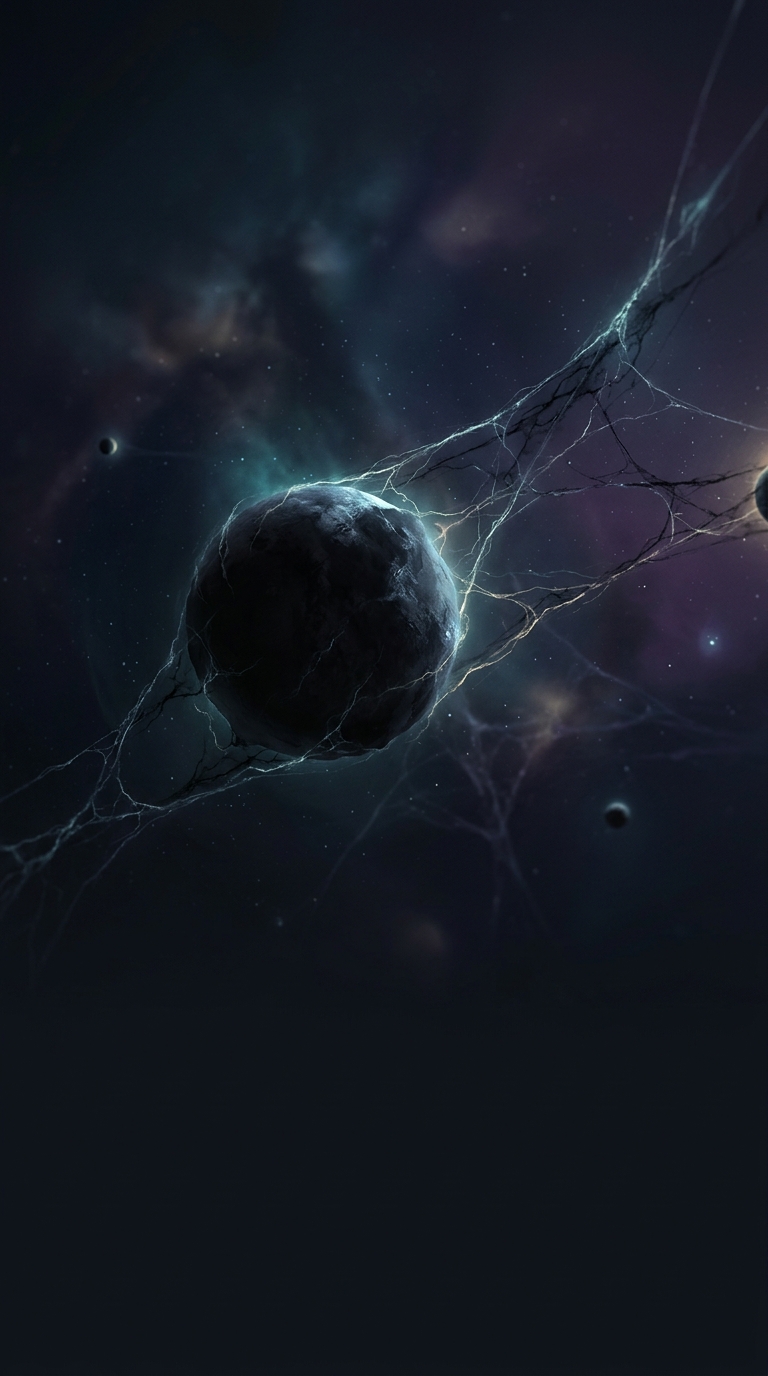
That is the unsettling part: a world can be expelled from the system that made it and continue through space for billions of years. With no star to illuminate its surface or warm it, the planet would be extraordinarily dark and cold. Any atmosphere could freeze or collapse onto the ground, depending on the planet’s composition and conditions.
Darkness Does Not Mean Motionless
“Wandering aimlessly” is a vivid description, but these planets are not drifting randomly. Gravity still governs their paths. They orbit the center of the galaxy, just as stars do, and their trajectories can be shaped by the gravitational pull of other objects. They simply lack the bright central star that gives a familiar planetary system its structure and light.
A rogue planet might retain some heat from its formation or from radioactive decay inside its rocks. That can keep its interior warmer than its surface, but it does not make the planet a hidden, Earthlike refuge. Without sunlight, it would have no ordinary day-night cycle and no starlit sky; distant stars would be faint points against an otherwise black landscape.
A Whole World, Nearly Invisible
The most striking consequence is not that such a planet is on course to hit Earth—space is vast, and a close encounter is not implied by the idea of rogue planets. It is that a planet-sized world can exist in our galaxy while giving off almost no light of its own, making it difficult to find. A planetary system can lose a world without that world disappearing; it simply becomes a dark traveler between the stars.