How a Road Train Stays Connected
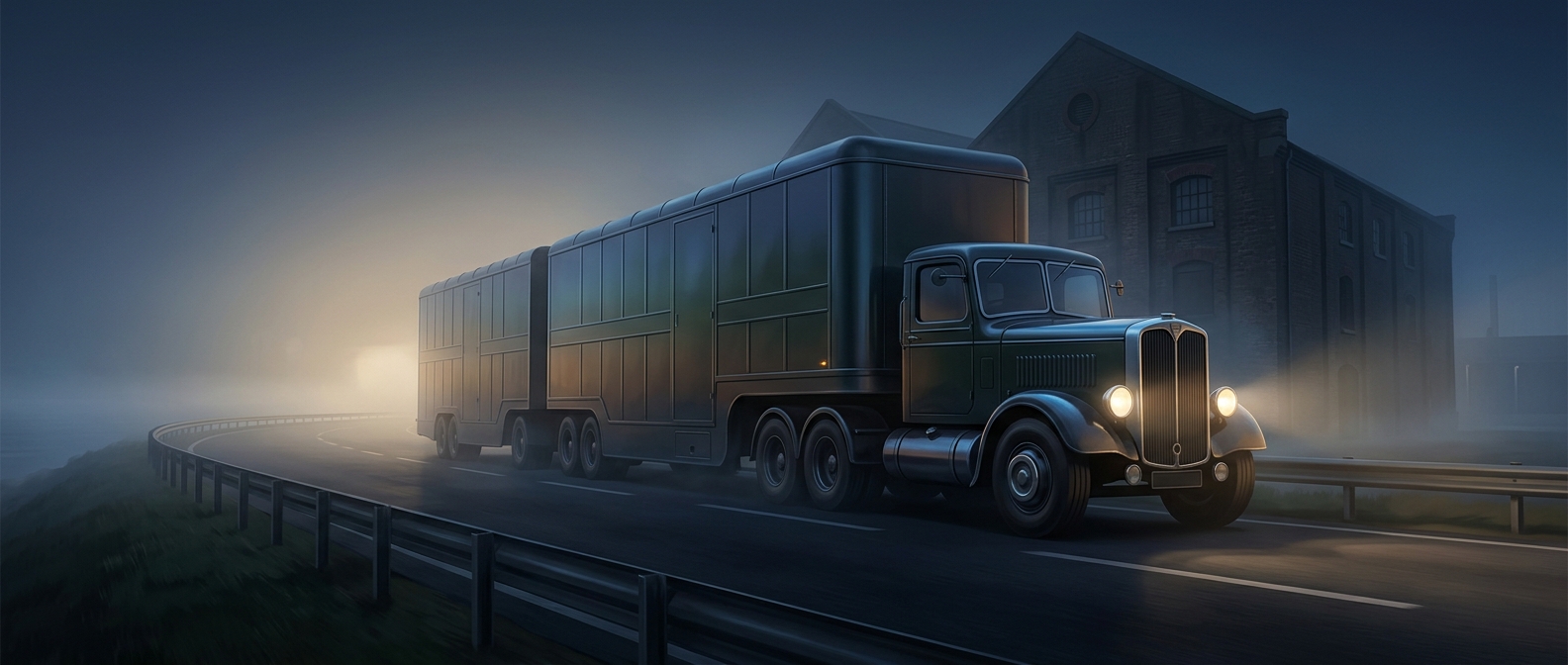
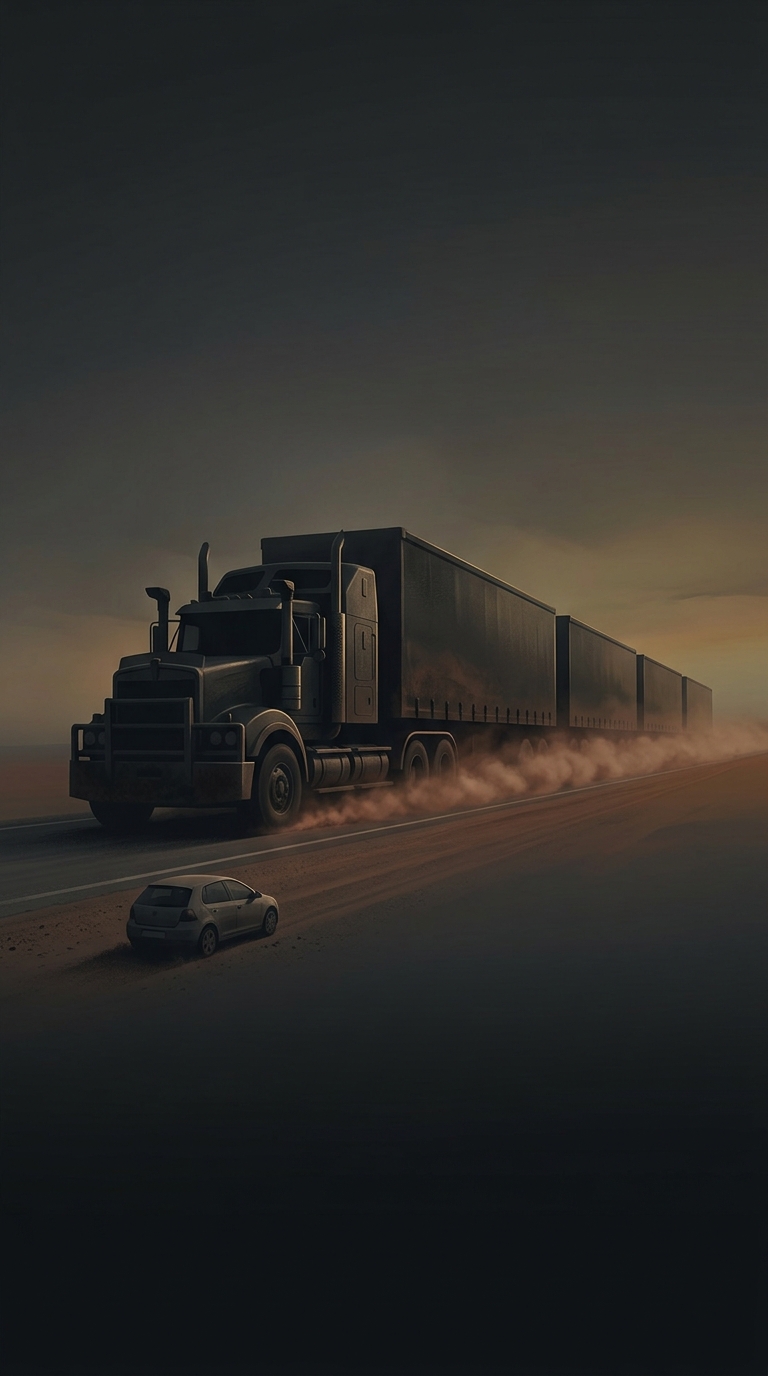
A road train is assembled from separate trailers rather than built as one extra-long vehicle. The tractor pulls the first trailer, while a converter dolly—a small wheeled frame with a hitch—connects one trailer to the next. Each added unit brings another set of wheels and another pivot point, allowing several trailers to follow the same route.
The trailers’ brakes are coordinated with the tractor’s, so the whole combination can slow together. But its length makes every maneuver more complicated: a turn sends the rear trailers along a tighter path than the tractor, and a correction at the front takes time to travel down the line. Drivers need room not just to turn, but to keep the trailers from cutting across the road edge or striking obstacles.
Why the Length Changes the Job
On long, sparsely traveled highways, combining loads means fewer separate journeys for the same freight. That can save fuel and driver time, especially where distances between towns are large and there are few alternative routes. The tradeoff is that a road train needs wide, clear space to maneuver and a long stretch of road to pass another vehicle safely.
Its size also shapes where it can go. Road trains operate on routes suited to their dimensions, rather than being able to use every road or enter every town. At loading areas, junctions, and roadside stops, drivers must plan ahead for places where the entire combination can turn, wait, or pull clear of traffic.
That makes the road train a solution to a particular geography: it concentrates a great deal of freight into one movement, but only where the roads and operating space can accommodate the whole chain.