Why a Small Gap Can Become a Big Problem
A truck can change speed or direction faster than its cargo can. When the driver brakes, the load’s momentum carries it forward; in a turn, it tends to keep moving straight. If there is room for a pallet, pipe bundle, or machine to shift before it meets a restraint, that movement can build force—and the cargo may strike other freight or strain its tie-downs.
Dunnage helps make the space around a load work in its favor. Solid blocks can stop movement at the edges, while inflatable bags expand between cargo units to take up voids. Straps apply tension to hold cargo in position. These methods can be combined: blocking limits travel, while tension and friction help keep the load from moving in the first place.
The Restraint Must Match the Cargo
The choice depends on what is being carried. A rigid, heavy item may need sturdy blocking and properly positioned tie-downs; a bag that fills a gap between cartons is not a substitute for a restraint capable of controlling a heavy machine. Sharp edges can damage straps, and fragile packaging may not withstand pressure from a tightly wedged load. The arrangement has to keep cargo stable without crushing or cutting it.
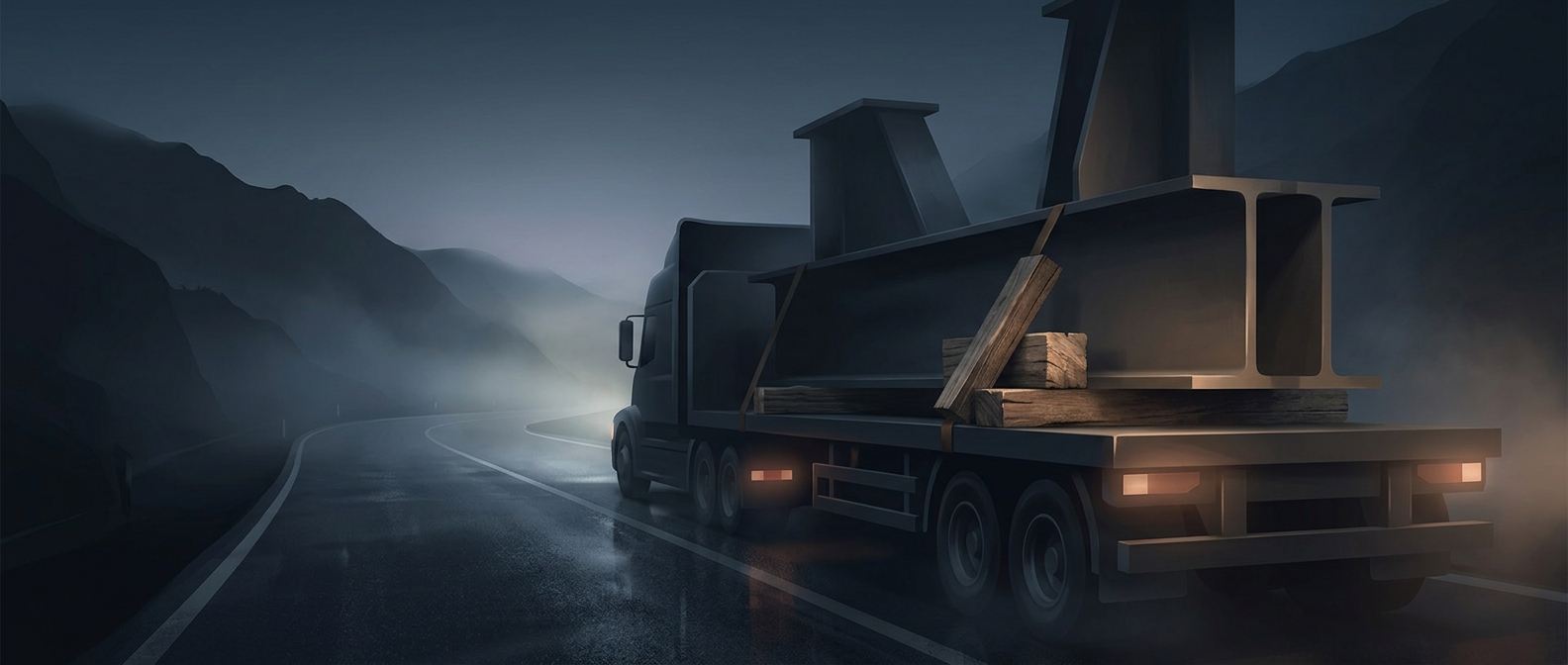
On a flatbed, there is no enclosed trailer wall to contain a shifting load. Drivers and loaders therefore need to consider not just whether the cargo is tied down, but where it could move and what would stop it. A secure load is designed around the forces it will face, not merely the space it occupies. That planning helps protect the freight, the truck, and anyone sharing the road.