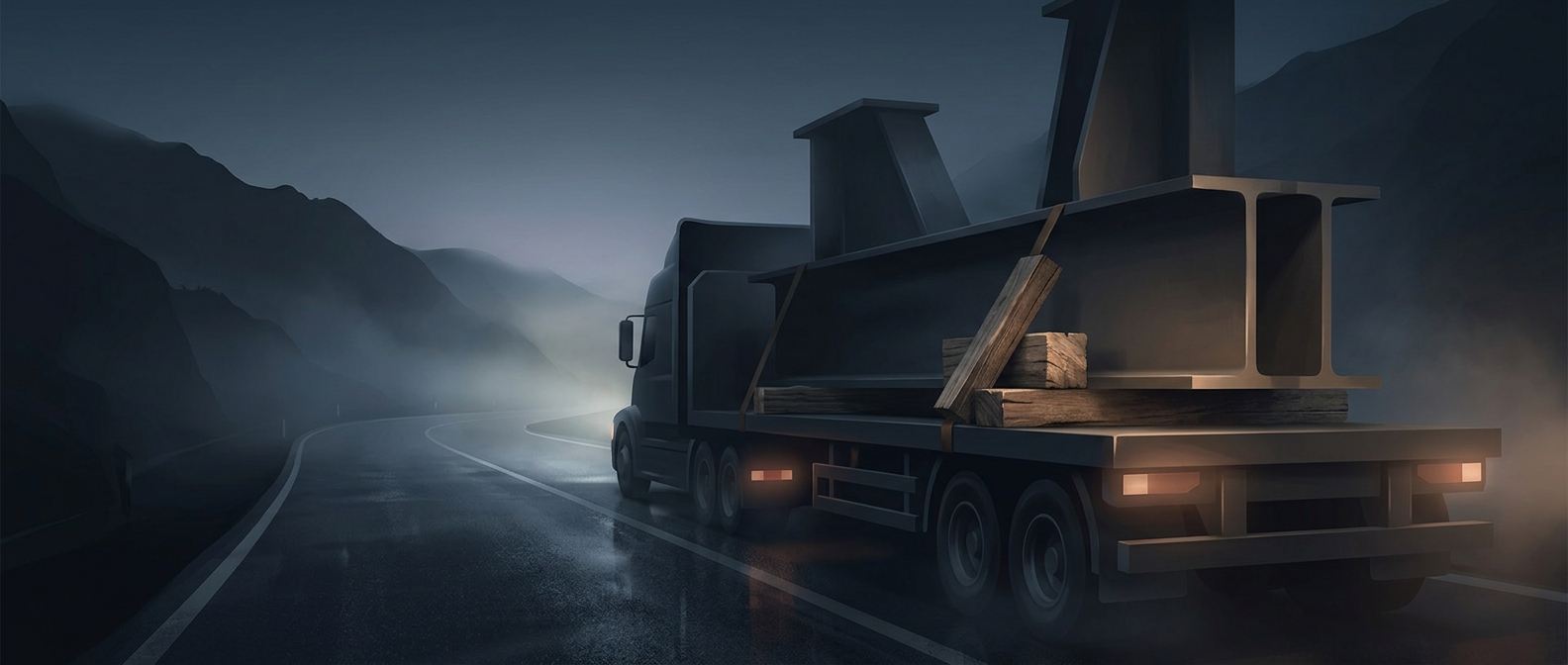
How an extra axle gets out of the way
A truck’s extra axle is usually a lift axle: an axle that can be raised when it is not needed. In many systems, air pressure in suspension bags supports the axle and wheels, while controls in the cab let the driver raise or lower them. When raised, the tires clear the pavement instead of rolling along behind the truck.
The tradeoff changes with the load
Every tire touching the road adds rolling resistance—the energy a truck must spend to keep its tires moving—and the tires wear with every mile. With a light load, the truck may not need the extra axle to carry its weight, so lifting it avoids needless tire contact and drag.
When the cargo is heavy, lowering the axle spreads the truck’s weight across more tires. That reduces the load on each tire and axle, helping the vehicle carry the cargo within weight limits. The driver’s choice is therefore not simply about saving tires: it is a balance between reducing resistance when lightly loaded and adding support when the truck needs it.
A visible sign of changing work
The raised wheels are a small clue that a truck’s configuration can change with its job. The same vehicle can travel with fewer tires rolling on an empty return trip, then put those wheels back on the road when its next load calls for them.