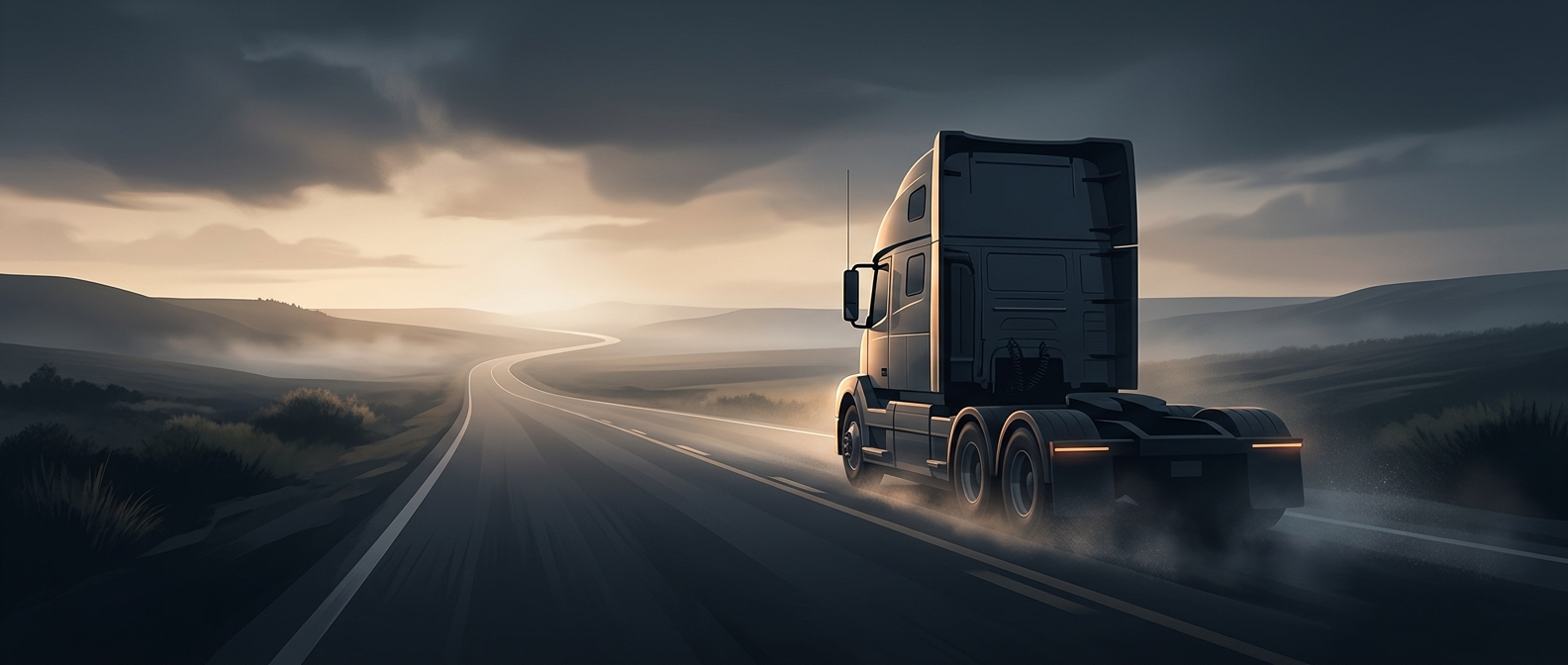
Why a Trailerless Tractor Is Called a Bobtail
A tractor unit is the powered front part of a tractor-trailer. When it travels without a trailer, the truck is bobtailing. The shorter rig takes up less room, which can make tight turns, backing, and maneuvering through crowded yards easier than with a trailer attached.
But removing the trailer changes more than the truck’s length. A loaded trailer presses down on the tractor through its coupling, adding weight over the tractor’s axles. Without it, the drive wheels—the wheels that propel the truck—carry less weight and have less force pressing them against the road.
Less Weight Can Mean Less Grip
Tires need to press against the pavement to transmit engine power and braking force. With less weight on the drive wheels, they can lose traction more readily, especially on slick surfaces. The truck may also feel different under braking: the driver is controlling a lighter, shorter combination than the tractor was designed to pull in ordinary service.
That is why bobtailing is not simply the easy, compact version of driving a big rig. It removes the bulk of the trailer, but also changes how the tractor responds to acceleration, steering, and braking. A tractor that feels stable while pulling a heavy load can behave differently once the trailer is unhooked—and the driver must adjust accordingly.