The joint that makes a long rig steerable
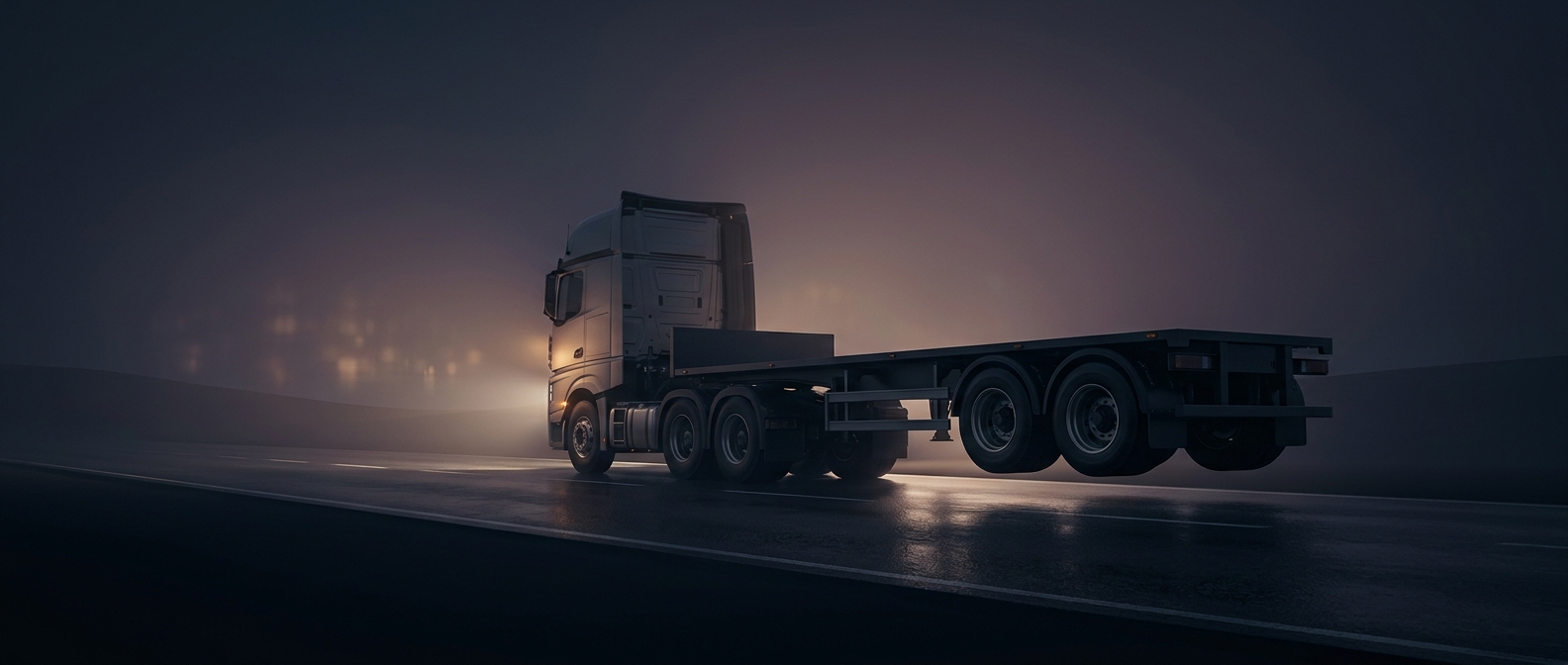
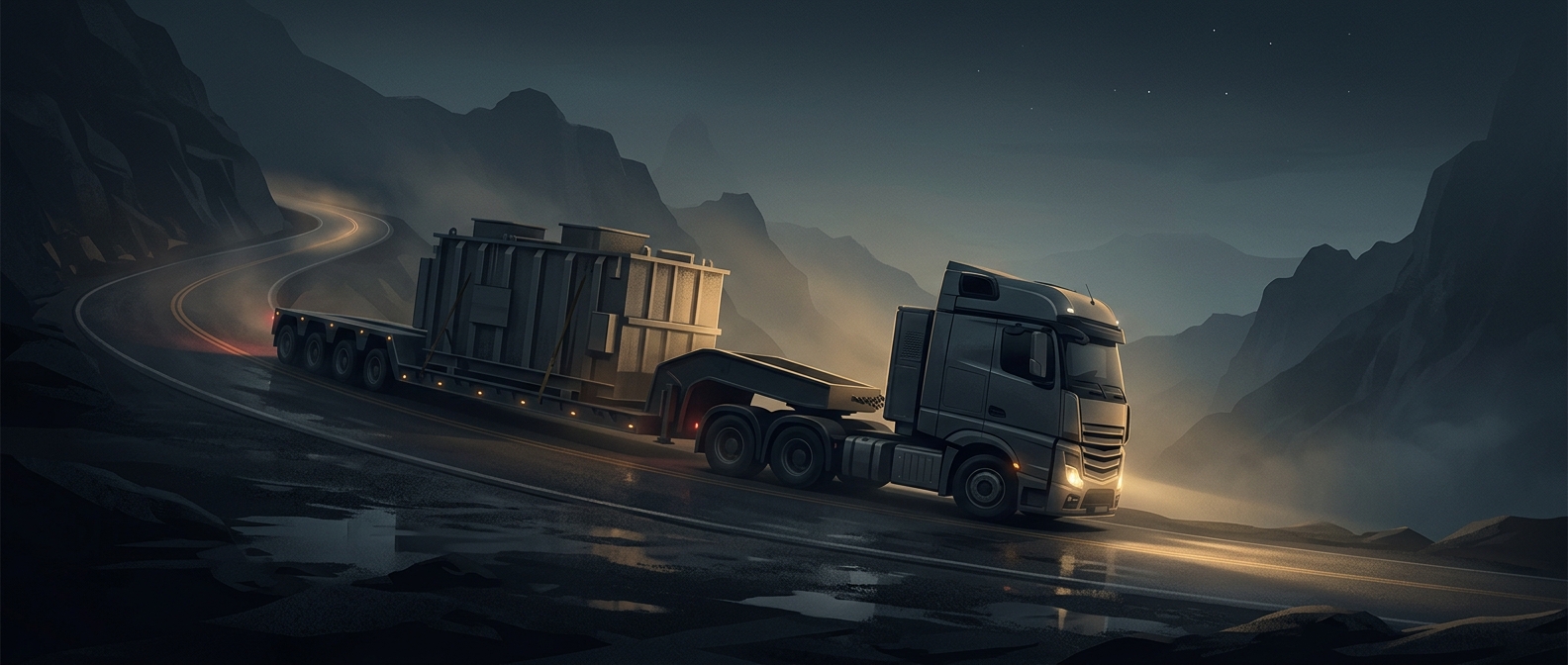
A loaded trailer is not simply dragged behind a truck like a box on a rope. Its front rests on a heavy, swiveling plate called the fifth wheel, mounted over the tractor’s rear axles. A pin beneath the trailer locks into that plate. The connection lets the trailer pivot as the truck turns while transmitting the forces between the two vehicles.
Because the hitch sits above the tractor’s rear wheels, some of the trailer’s downward load presses onto those wheels. That added weight can help them grip the road—but too much weight on the hitch, or too little, can make the rig harder to control. Cargo placement is therefore part of the vehicle’s handling, not just a matter of fitting everything inside.
Why the truck needs more than engine power
The tractor’s transmission offers different gear ratios: lower gears trade wheel speed for greater turning force. That helps the truck get a heavy load moving and climb a grade, though it also means moving slowly and using more engine effort. Once the rig is rolling on level ground, higher gears let the wheels turn faster for each engine revolution.
The trailer’s own axles support much of its weight and carry brakes, so stopping depends on a coordinated system—not just the tractor’s brakes. On a descent, the trailer’s momentum pushes against the tractor; if the combination is poorly controlled, the trailer can begin to swing or jackknife at the joint.
That is why the tractor and trailer are designed as a working pair. The tractor supplies traction and control, while the trailer’s load, axle arrangement, and hitch position determine how those forces behave on the road. A change in cargo placement can change the feel of the entire rig.