Why deep underground trains trap heat
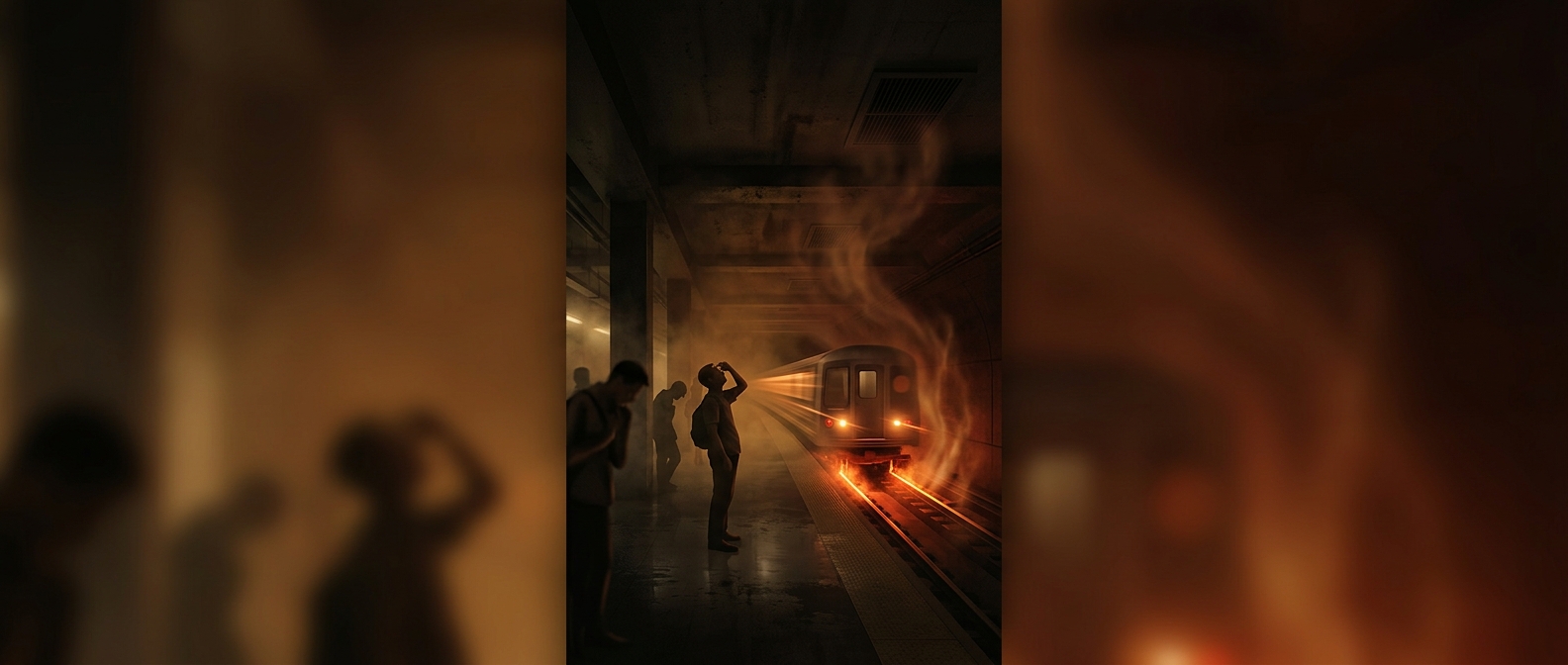
A train moving through a tunnel is also a source of heat. Its motors and electrical equipment warm the air, while braking turns some of the train’s motion into heat; passengers, lights and other equipment add more. In open air, wind and space help carry that warmth away. In a deep tunnel, it has fewer places to go.
The tunnel acts like a slow-release heat store
Ventilation can move air through shafts and station openings, but it cannot cool a deep network as easily as outdoor wind cools a street. The surrounding ground absorbs heat from passing trains, then releases it slowly. Over time, that warmth can build up in the tunnels, making them hot even when the weather outside is not extreme.
Adding cooling is difficult, too. Deep underground lines were not generally built with room for large air-conditioning systems, and equipment that cools a train or station still has to send its waste heat somewhere. If it is discharged into the tunnel, it can make the wider heat problem worse.
Why a summer journey can feel worse than the weather
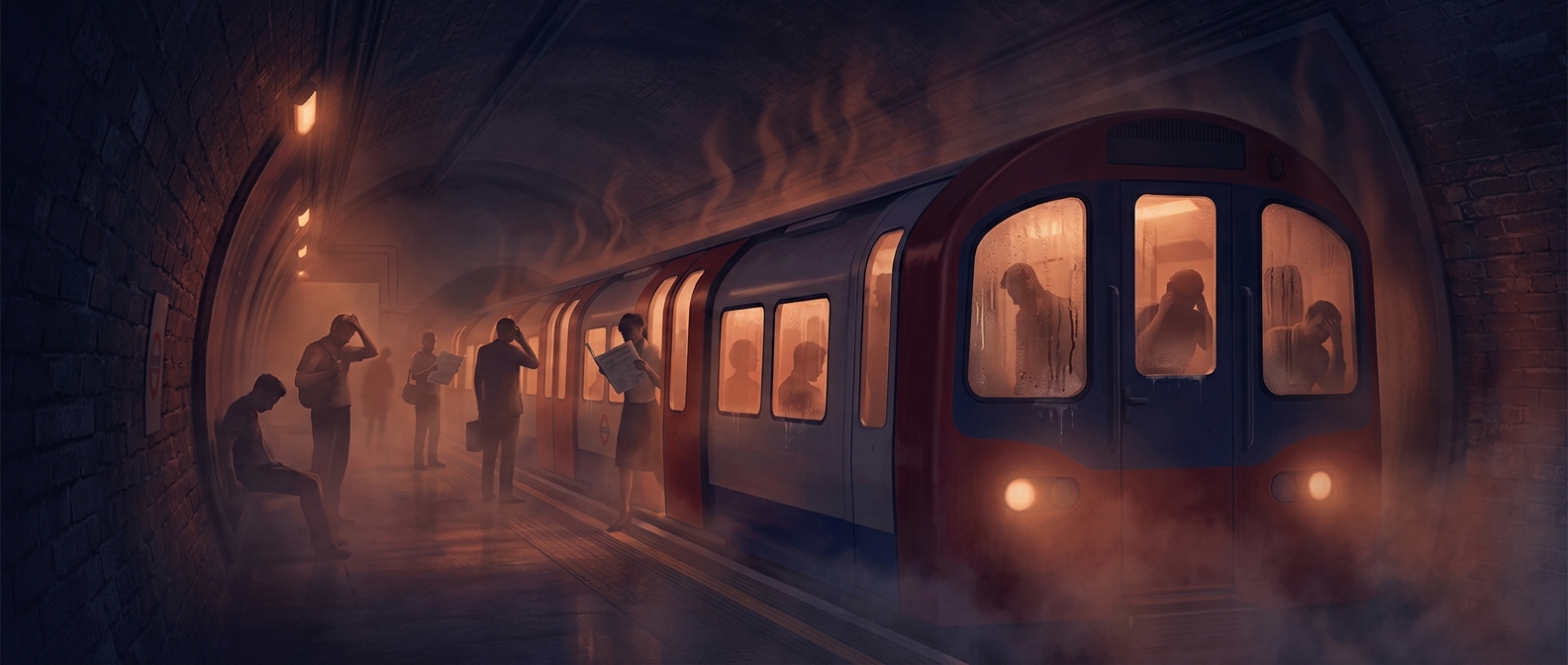
The result is a tight cycle: trains and people add heat, the confined space holds it, and limited ventilation removes it gradually. A crowded carriage in work clothes can therefore feel stifling even when the surface temperature seems manageable. The heat is not simply blowing in from outdoors; much of it is generated and retained by the underground system itself.