A station turns sound into a shared space
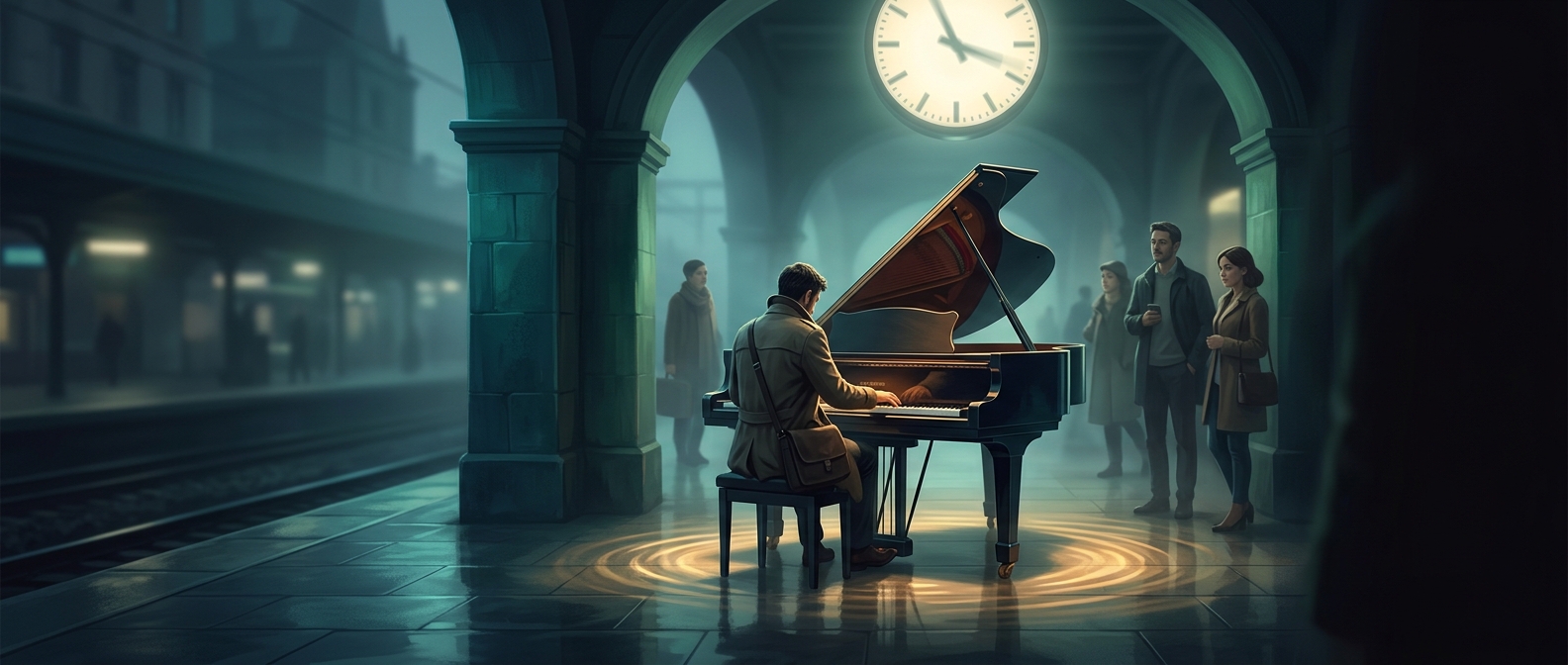
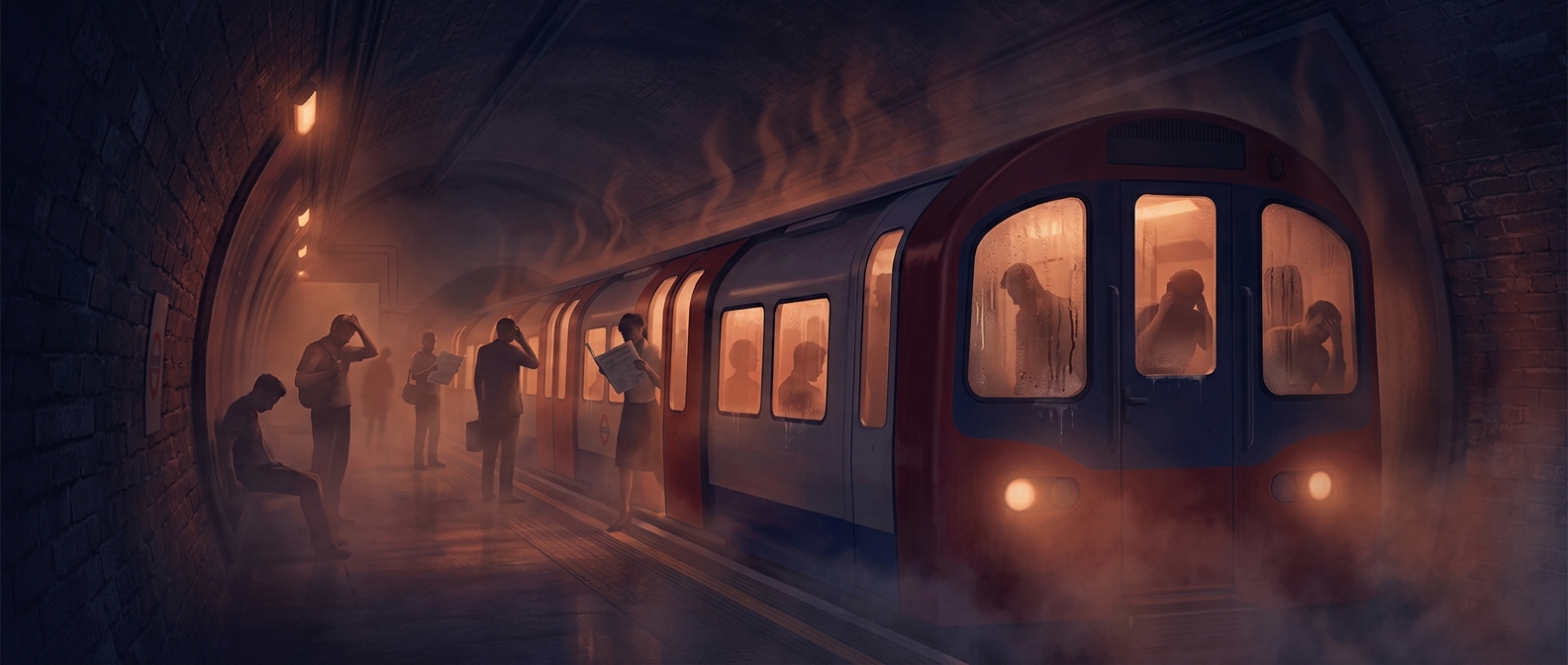
In a subway station, music does not stay neatly around the performer. Hard surfaces reflect sound back into the tunnel, so notes and voices can linger and overlap. A song that sounds clear nearby may become a wash of sound farther down the platform, where riders are also trying to hear announcements and one another.
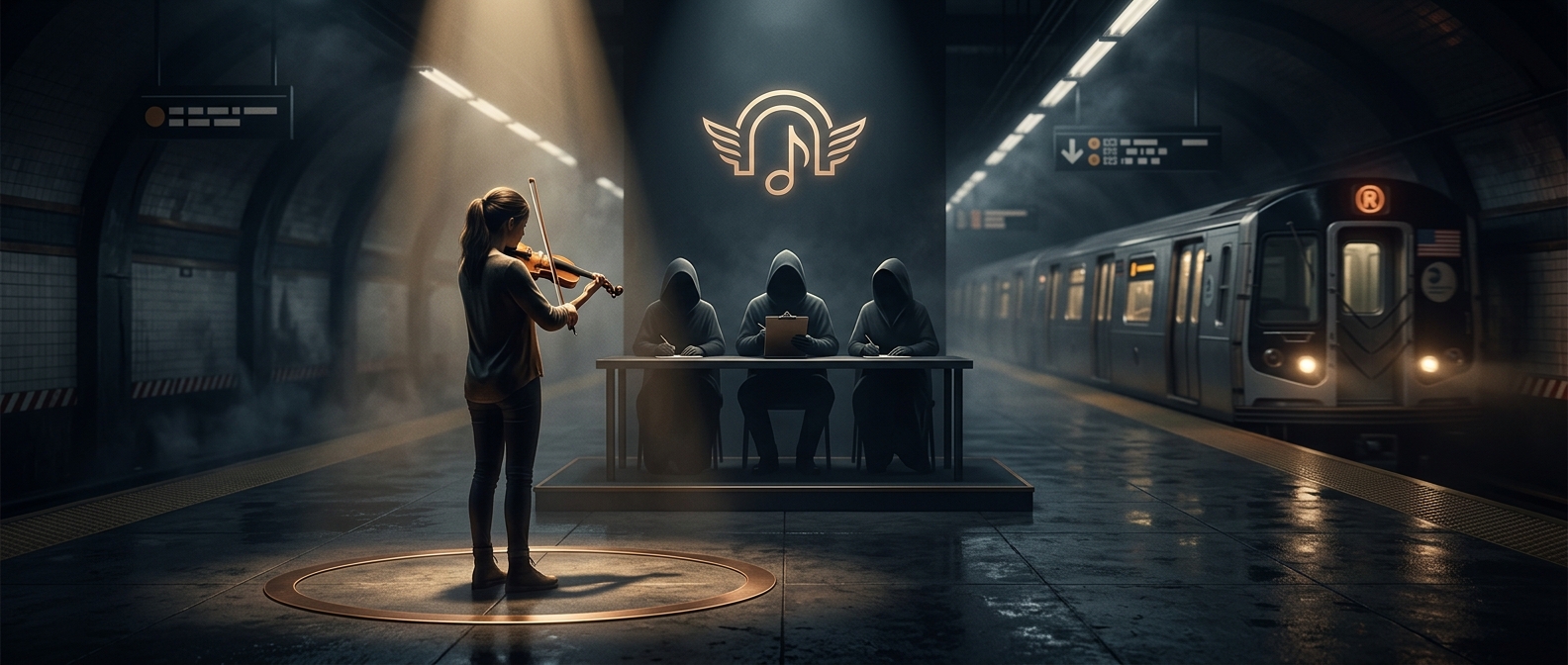
That makes a busker’s setup part of the station’s environment, not just a private performance. Auditions give transit staff a chance to hear how a musician’s sound carries in a public setting before granting permission to play.
The audition is about fit, not just talent
A strong performance in a quiet room does not automatically work underground. Evaluators can consider whether the music remains intelligible at a sensible volume, whether amplification overwhelms the space, and whether the performer can follow the conditions attached to a license. Those judgments help balance a lively station with the needs of people passing through it.
Licensing also gives transit authorities a way to manage busking as an organized activity rather than an open-ended contest for the loudest corner. Where a program assigns places or schedules, those limits can reduce conflicts among performers and keep busy areas usable.
The practical test is whether music can add character to the commute without taking over the platform. Underground, the walls are effectively part of the sound system—and the audition helps decide what belongs in it.