The small barrier that changes the calculation
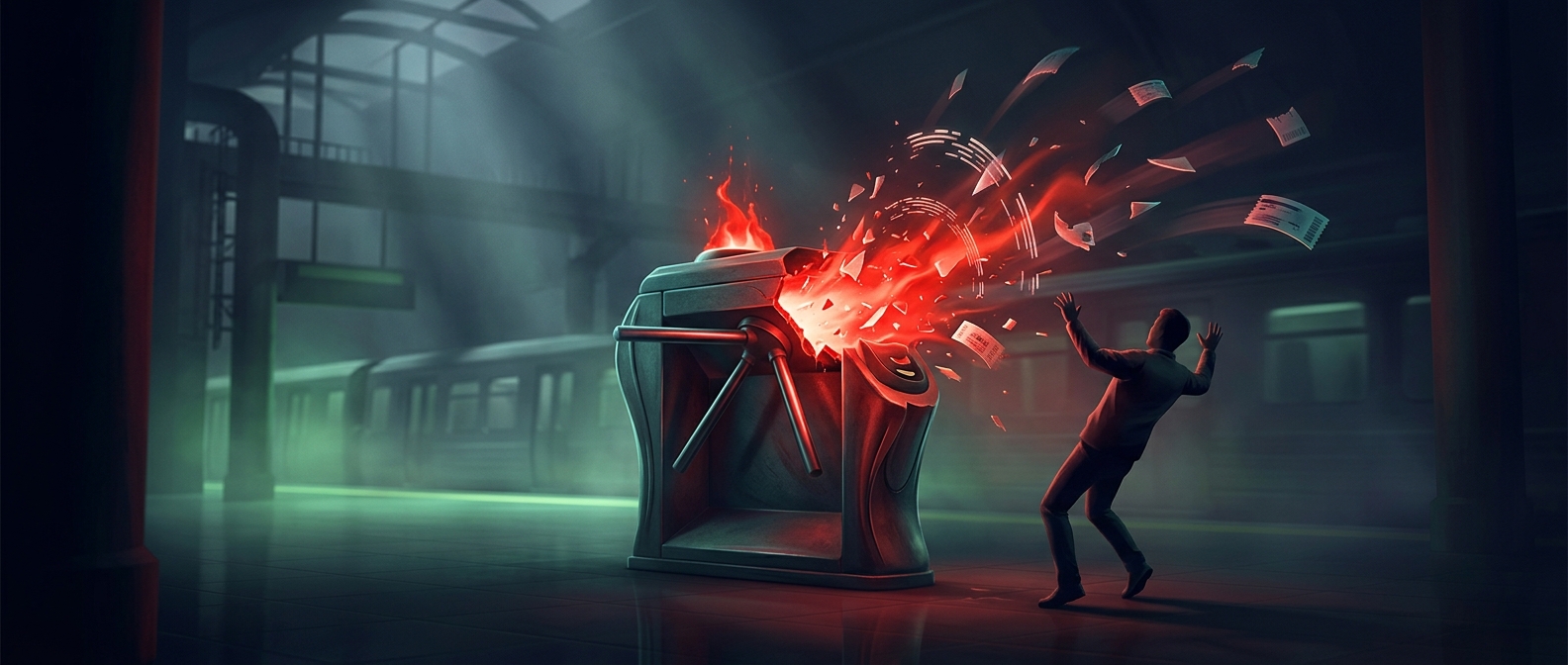
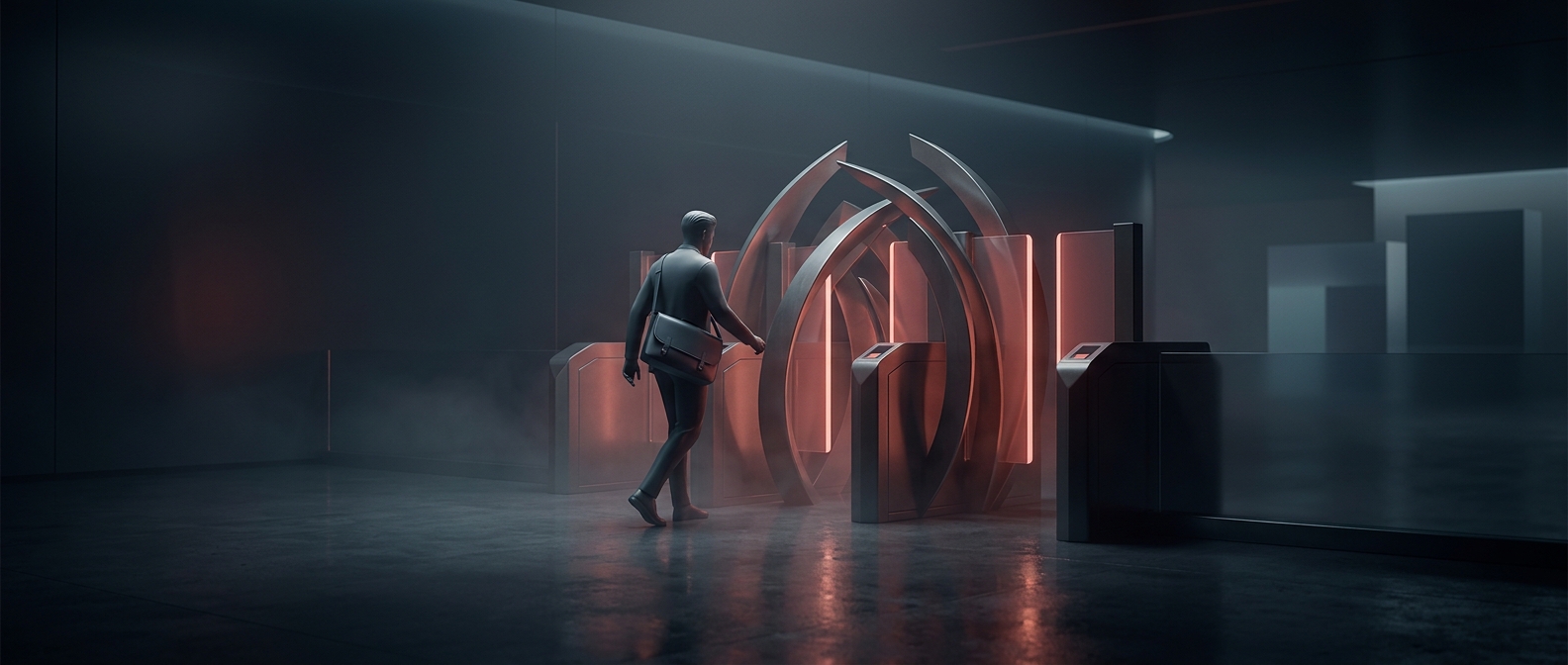
A turnstile is not a fortress. Its rotating arms make ordinary entry a little slower, while turning a hop into a conspicuous, awkward act. That difference matters: many people who might take advantage of an entirely open passage will pay rather than make a deliberate move around a visible barrier.
The design works through friction, not certainty. A gate adds a modest cost to entering without paying—extra effort, a pause, and the possibility of being noticed. For a commuter in a hurry, the fare may feel easier than climbing over or squeezing through. The barrier can therefore discourage casual fare evasion without being capable of stopping everyone who is determined.
Why not make the gate harder to cross?
A stronger barrier could deter more people, but it would also make paid entry slower and less convenient. Transit systems have to move large numbers of riders through limited space, including people carrying bags or using mobility aids. A gate that obstructed legitimate passengers too much could create queues and make stations harder to use.
That creates a practical tradeoff: make the normal action—pay, then pass—quick and predictable, while making the unpaid alternative less effortless. Turnstiles also channel riders into individual passages, so entry is organized rather than an open rush through a doorway.
The result is a form of everyday deterrence: the gate does not have to defeat every evader to matter. It only has to make paying the simpler choice for enough people, without turning the station entrance into an obstacle course for everyone else.