A royal routine turned night into private time
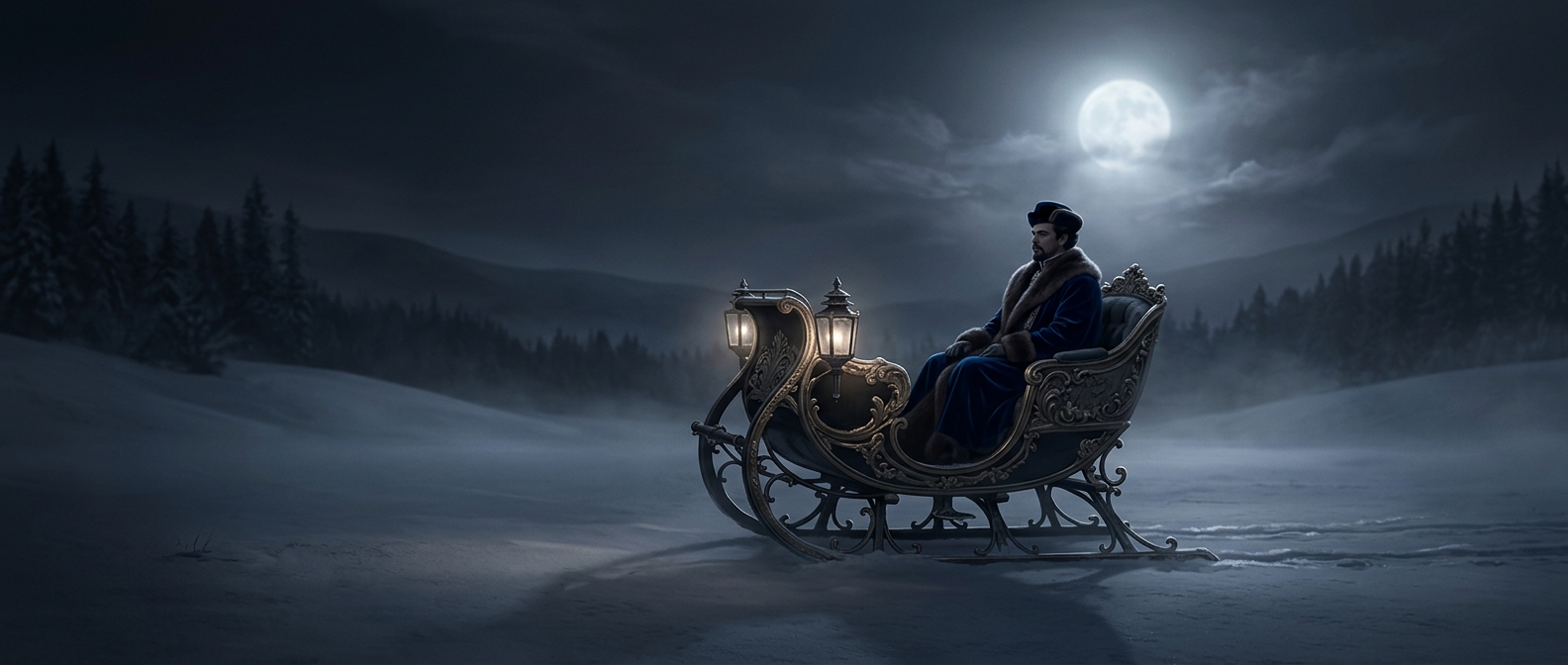
The king in this story was Ludwig II of Bavaria, whose waking hours ran on a schedule that clashed with the court’s. While officials and attendants followed the ordinary rhythm of daytime work, Ludwig was often awake after dark and asleep during the day. A ride at three in the morning was therefore not just an unusually late outing: it took place when the people and routines of court were largely out of view.
The practical cost of living out of step
A monarch could not simply opt out of public life. Audiences, official business, and the work of the royal household depended on other people being available. When the king kept different hours, those around him had to contend with a basic mismatch: his private time began when the court’s working day was ending. The snowbound carriage rides made that separation visible, even if they do not by themselves explain why he preferred the night.
Ludwig’s nocturnal habits are often remembered alongside his retreat from ordinary court life. The striking detail is how literal that retreat could be: while the court slept, the king was out on winter roads, making the night his own.