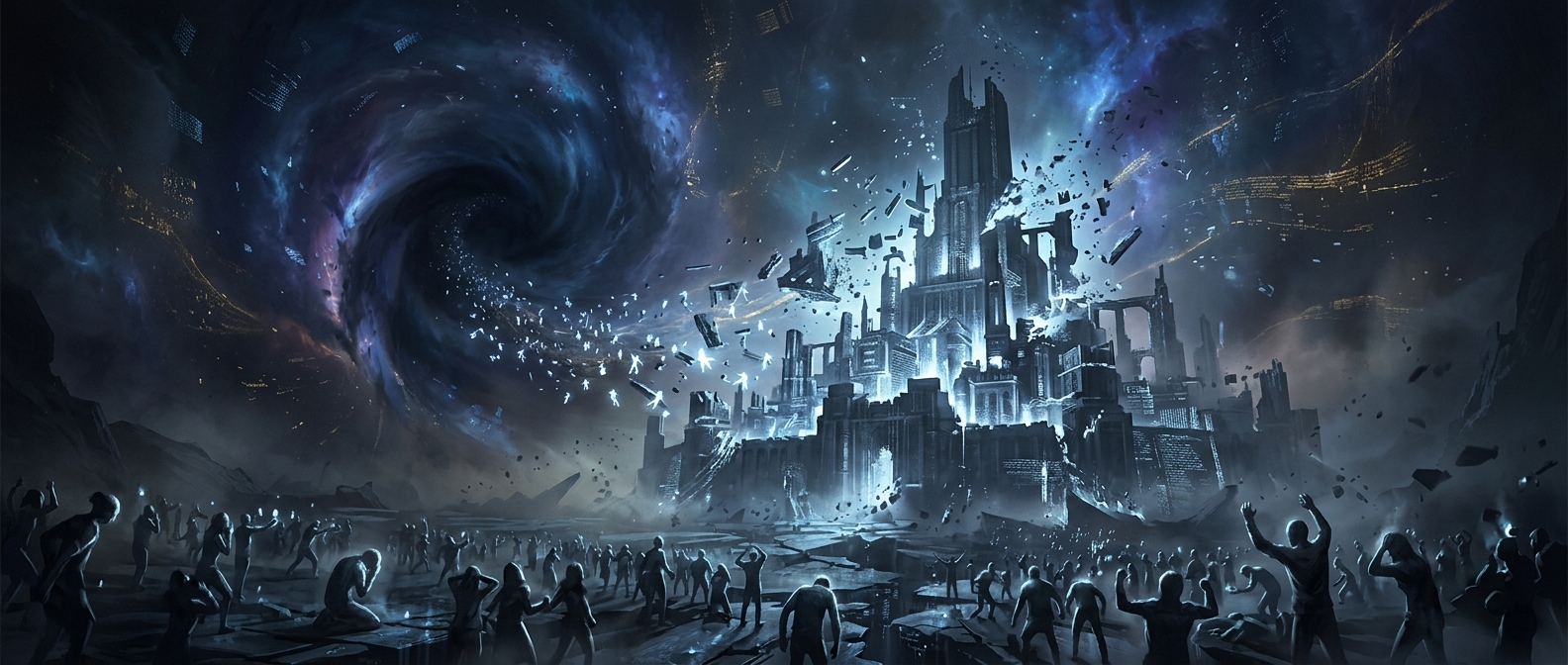
The bill is fixed; the aftermath isn’t
A loot box offers an uncertain reward: you know what you spent to open it, but not what you’ll get. Rent works in reverse. The amount due is usually known in advance, yet paying it can leave a very different amount of breathing room from one month to the next.
That gap is what gives the joke its sting. Housing takes a set share of the budget; what remains has to absorb groceries, utilities, transportation, and any expense that arrives off schedule. A small surprise can turn “money left over” into “nothing left,” while a quieter month can feel like an unexpectedly valuable drop.
Why the comparison feels so familiar
Games make random rewards visible. A player opens a box and sees a prize—or a disappointing result—right away. Household finances often have the same uneven outcomes, but they unfold across days: a repair, a reduced paycheck, or several ordinary bills landing together. The uncertainty isn’t necessarily about whether rent will be charged. It’s about whether the rest of the month will cooperate.
The analogy also captures a difference between predictability and security. Knowing the price of a recurring bill helps with planning, but it doesn’t guarantee that income and other costs will line up neatly around it. The “reward,” in this version, is not a rare item; it’s enough margin to handle the next expense without having to rearrange everything else.
That’s why the punchline can feel less like a joke about bad luck than a joke about a budget with no spare lives: the rent arrives on schedule, while financial breathing room is the uncertain prize.