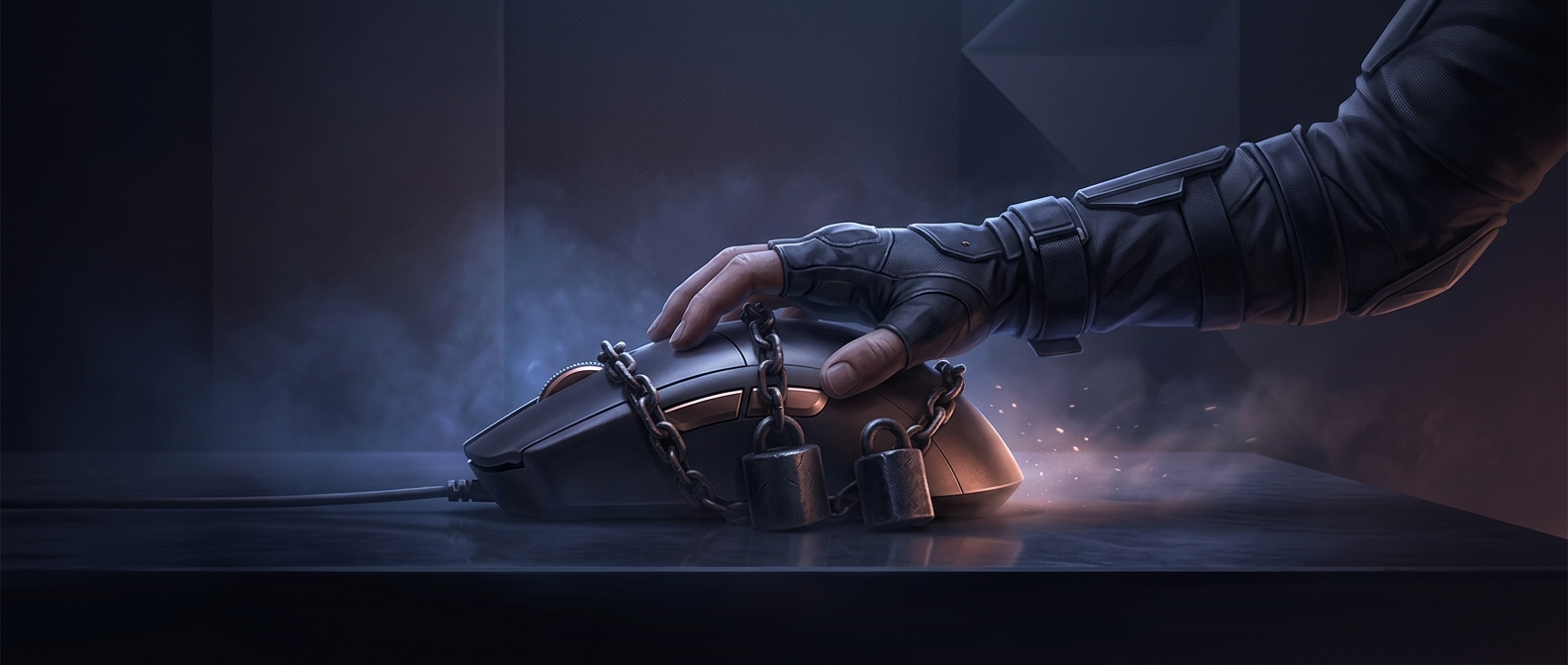
Why added weight can feel steadier
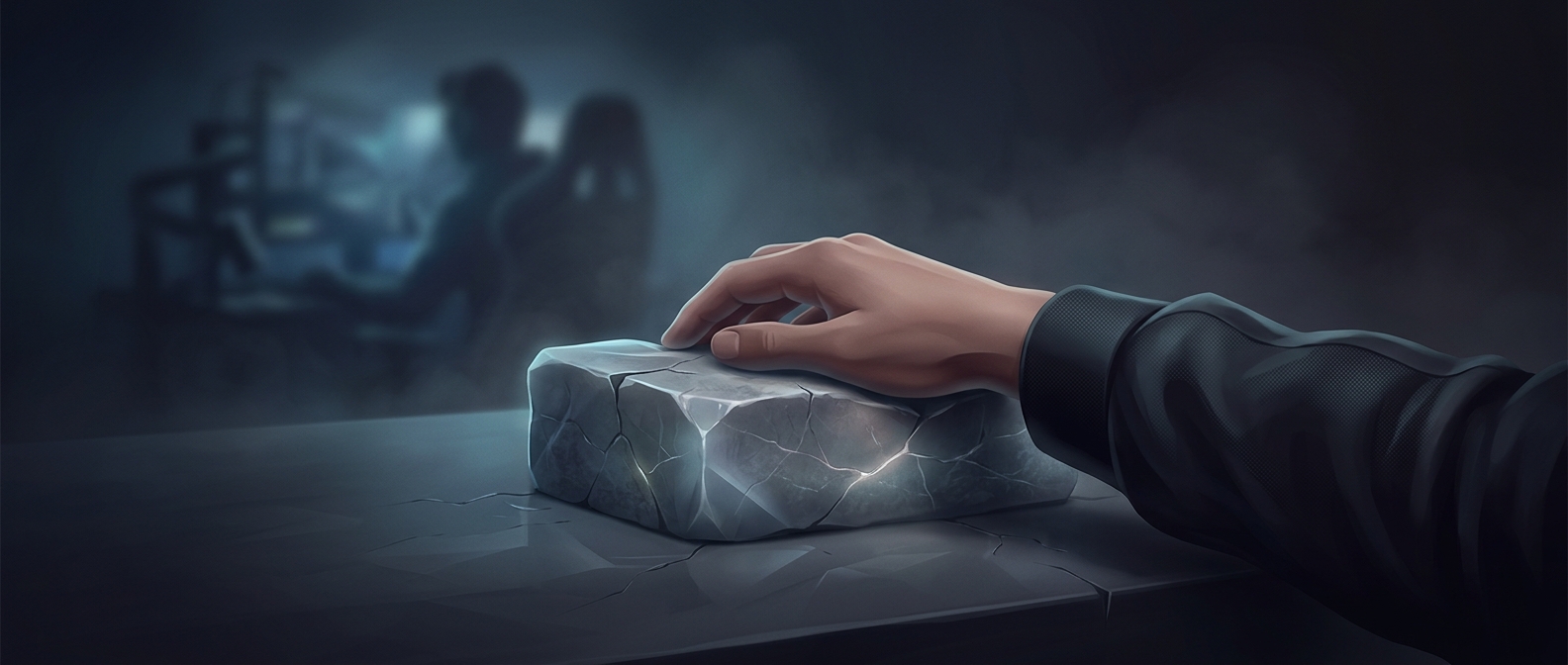
A mouse does not move just because the hand shifts; the hand has to push it. Add mass and the mouse resists changes in motion. That resistance can make small, unintentional hand movements less noticeable, so some players feel they can guide the cursor or aim more deliberately.
This is inertia: an object’s tendency to keep its current motion rather than speed up, slow down, or change direction easily. It can smooth out movement, but it does not improve the mouse sensor or make a player’s aim automatically more accurate.
The tradeoff shows up in every movement
The same resistance that can steady a mouse also makes it harder to get moving—and harder to stop or redirect. Quick flicks and repeated corrections take more effort. A lighter mouse responds to smaller pushes, which can feel more agile, but may also make a player’s hand movements feel less damped.
That is why there is no universally best weight. The useful balance depends on how a player moves the mouse, how much force they prefer to use, and whether steadiness or fast direction changes matter more to them. Adjustable weights let players test that balance rather than rely on a single standard.
Extra weight changes the feel of the movement, not the player’s skill. A setup that feels controlled in one person’s hand may feel sluggish in another’s.