Why the loup-garou haunted rural France
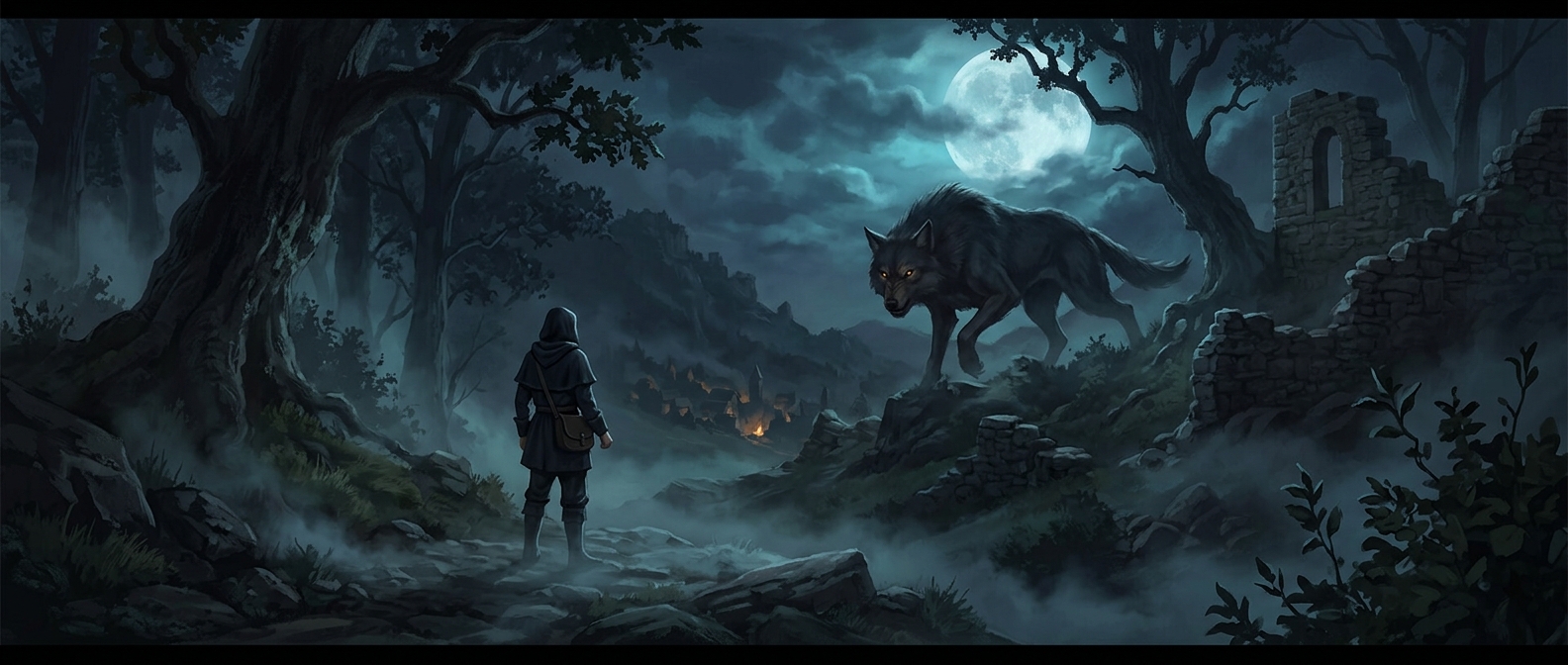
The French loup-garou belongs to the wider family of werewolf legends: a person becomes a dangerous animal, often a wolf or wolf-like beast. In the story described here, the change is a curse, making the creature frightening not just for its strength but because it was once human. The familiar person and the threat to the community are bound together.
A beast at the edge of everyday life
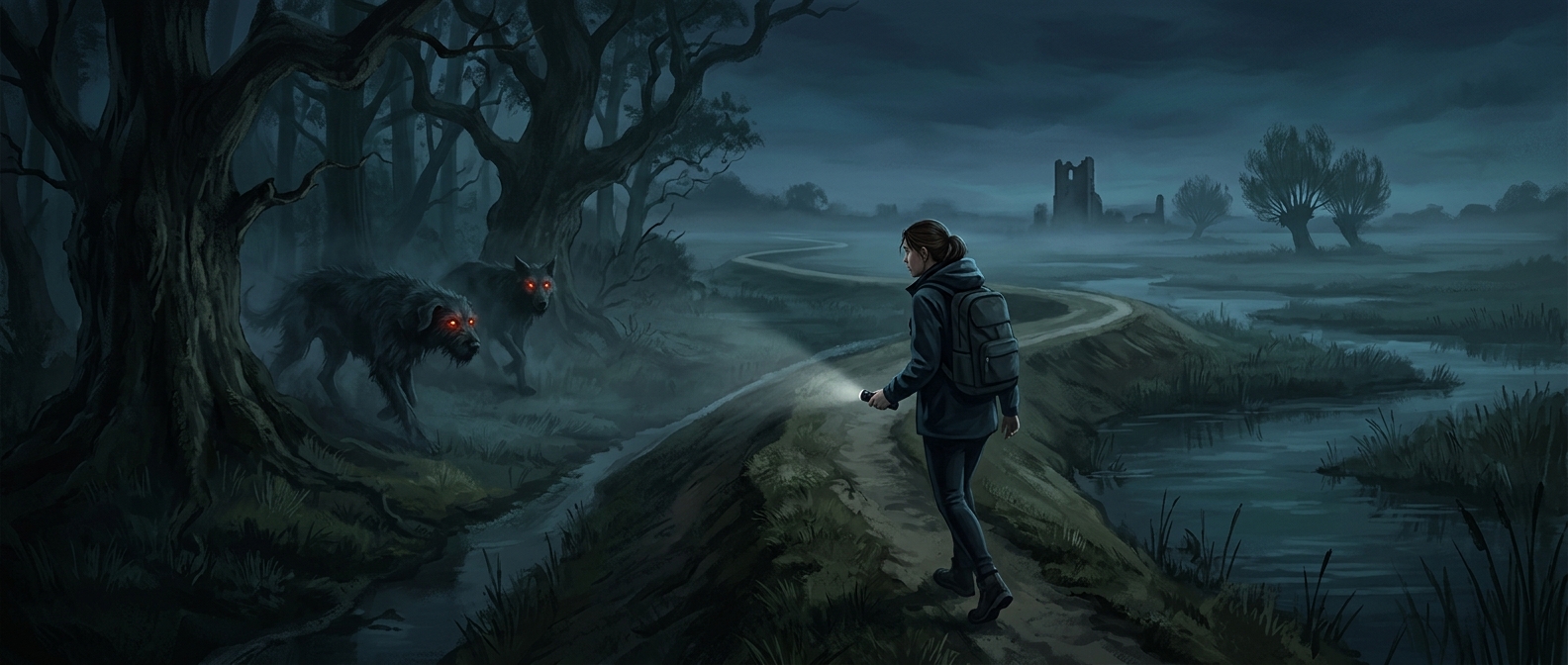
For people living among farms and small settlements, livestock was food, income, and a store of hard-earned wealth. A beast that slipped into the countryside and attacked animals gave shape to a practical fear: that danger could arrive from beyond the safety of home and destroy what a household depended on. The curse added a moral dimension, turning an ordinary person into a source of harm.
Loup-garou tales belong to folklore rather than zoology, and details could vary from one telling to another. Their force came from placing the monstrous close to the familiar: the creature might prowl like a predator, but its human origin made the threat feel unsettlingly near.