Why alcohol makes the brain’s signals less reliable
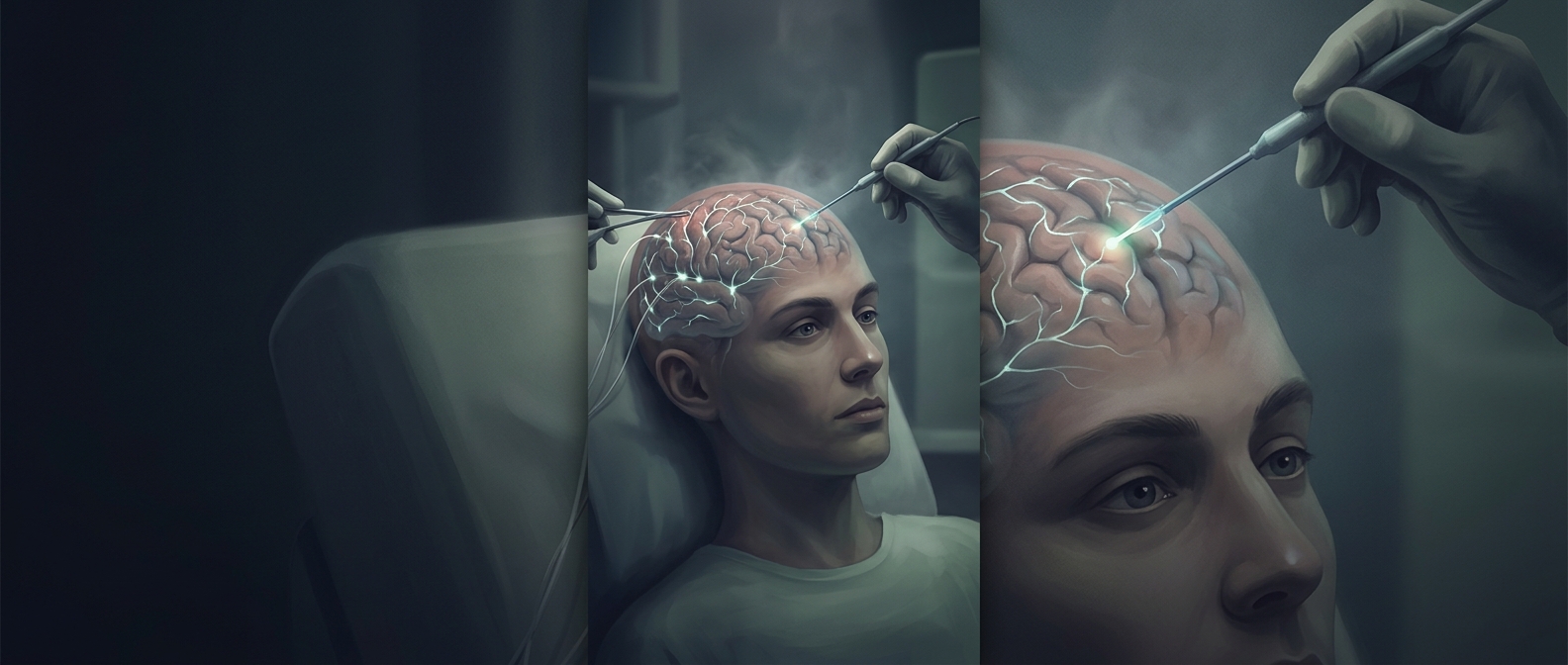
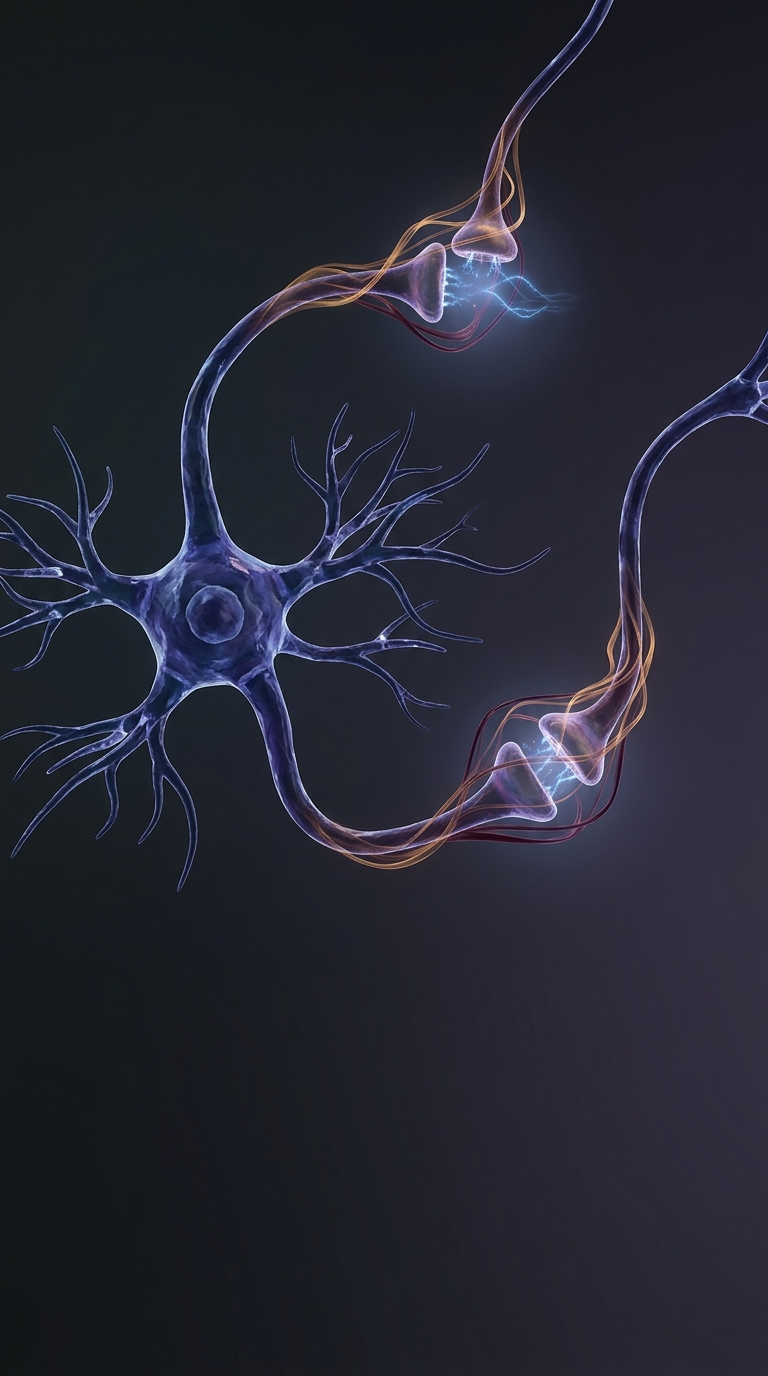
A neuron does not work alone: it receives messages from many other cells and combines them before sending its own signal onward. Dendrites are the neuron’s branching receivers, and tiny contact points along them help incoming messages reach the cell. Alcohol can interfere with signaling at these connections, so information moving through brain networks becomes less reliable.
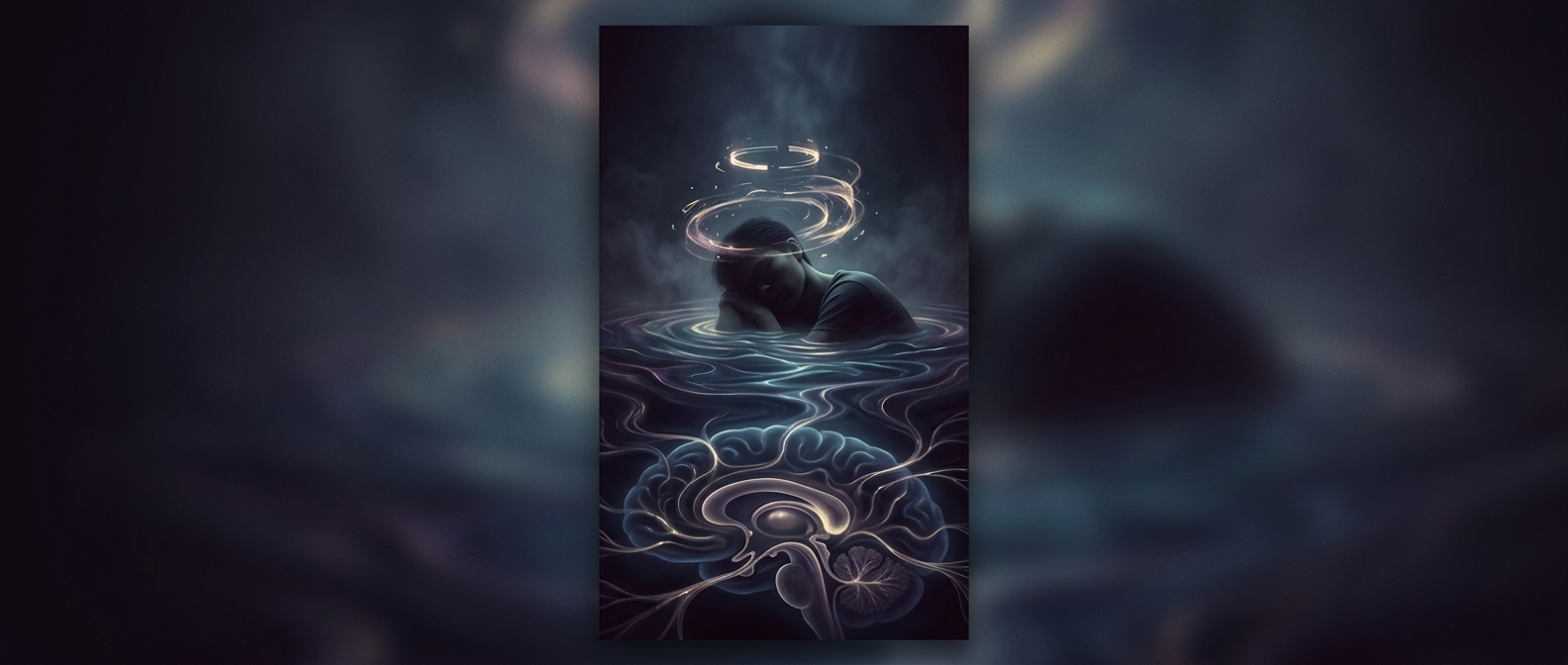
Alcohol also changes the activity of chemical messengers that regulate how strongly neurons signal. The result is not simply a set of dead cells; it is a brain whose working circuits are temporarily out of tune. As alcohol levels rise, attention, judgment, reaction time, and coordination can falter because the networks responsible for those abilities are not exchanging information normally.
Temporary disruption is different from lasting injury
During an ordinary episode of intoxication, the main effect is impaired function, not wholesale destruction of neurons. As the body breaks down the alcohol and its level falls, much of the disruption subsides. That is why a person may regain clearer thinking and steadier movement without needing to replace brain cells.
But “not killing brain cells” does not mean alcohol is harmless to the brain. Repeated heavy drinking can alter brain structure and function over time, and severe alcohol-related conditions can involve lasting injury. The practical distinction is between a circuit temporarily signaling poorly and damage that accumulates or persists: a stumble after drinking can reflect the first, while a pattern of heavy use raises concern about the second.