Waking is a transition, not a switch
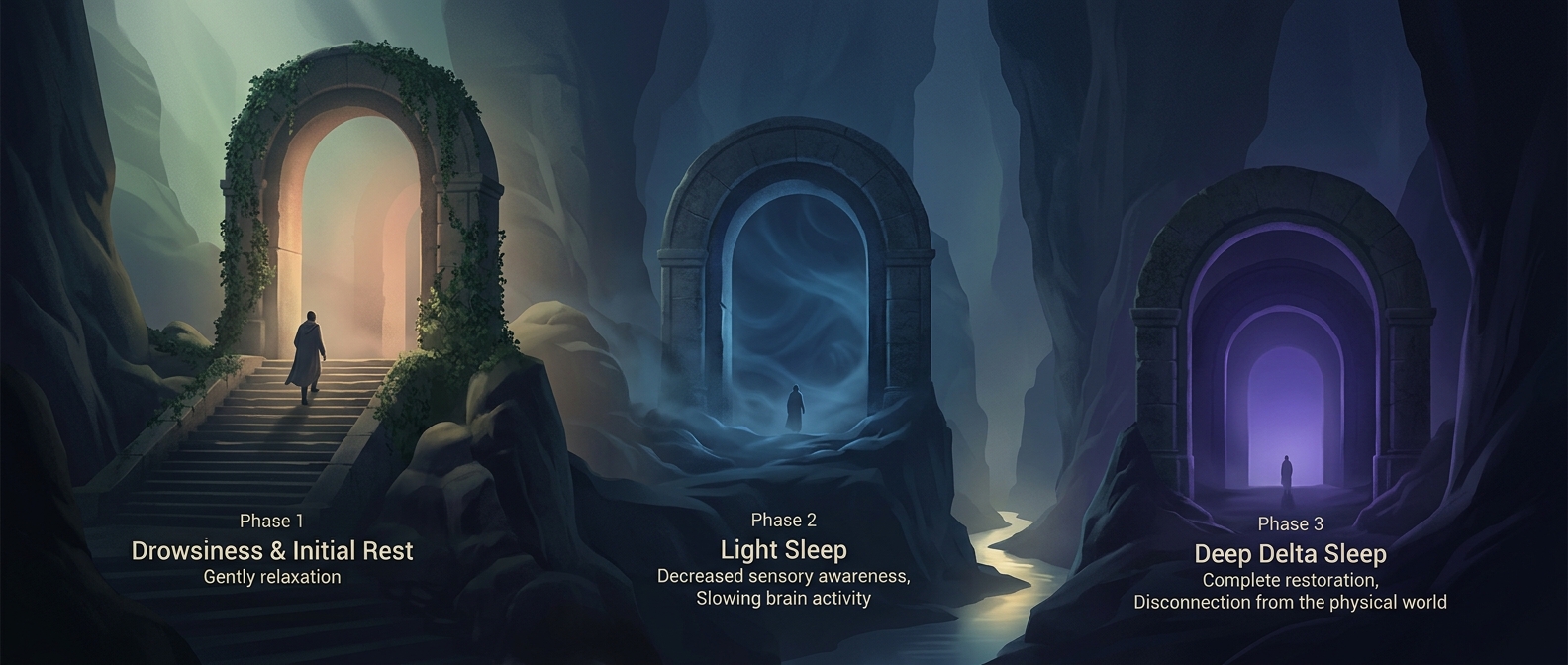
Sleep inertia is the temporary lag between being awakened and feeling mentally clear. The brain does not move from sleep to full alertness in one instant: attention, reaction time, and decision-making can take time to catch up. The effect is often stronger after too little sleep or when an alarm interrupts deeper sleep.
Why repeated alarms can prolong the fog
A snooze interval may be too short for another meaningful stretch of sleep, yet long enough for you to drift off again. The next alarm then interrupts that renewed sleep and starts another abrupt transition. Instead of letting wakefulness build steadily, repeated alarms can make the morning feel like a series of unfinished awakenings.
Snoozing does not affect everyone the same way. How groggy you feel depends partly on how much sleep you got and where you were in your sleep cycle when each alarm sounded. But the button cannot make up for lost sleep: a few fragmented minutes are not equivalent to a longer, uninterrupted night.
The practical difference
If you routinely need several alarms, the useful clue may be that your wake time is arriving before your body has had enough sleep. A consistent schedule and adequate time in bed can reduce the odds that the first alarm catches you in the middle of a deeper stretch—and spare your brain the repeated trip from sleep toward alertness.