Why astrology links Neptune with the sea
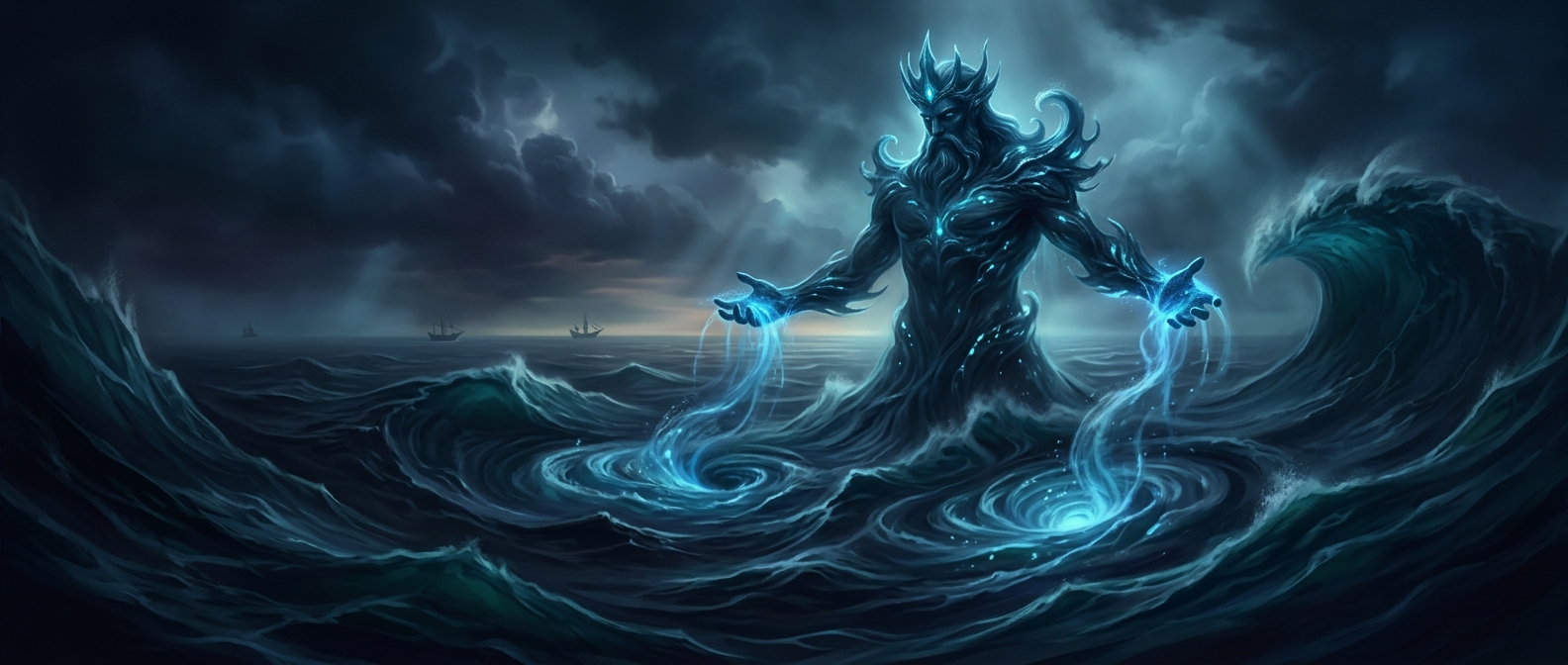
The association begins with a name: the planet is named after Neptune, the Roman god of the sea. In astrology, a planet’s mythic identity becomes a symbolic lens. Neptune’s ocean imagery therefore points not only to water, but to what seems vast, difficult to map, and hidden beneath the surface.
That symbolism helps explain why astrologers connect Neptune with dreams, imagination, spiritual longing, and blurred boundaries. Like looking into deep water, these experiences can feel compelling while remaining hard to define. The same image can also suggest confusion or illusion: when outlines disappear, it becomes harder to tell what is real and what has been projected onto it.
“Control” as symbolic language
When astrology says Neptune exercises control over oceans, it means that oceans fall within Neptune’s symbolic domain—not that the planet physically directs tides or governs marine life. Bioluminescent creatures fit the imagery especially well: they produce light in darkness, making the deep seem mysterious and otherworldly.
The ocean is thus more than a setting in this tradition. It is a metaphor for the unknown: a place where familiar boundaries fade and strange forms of life become visible. Neptune’s reach is described as vast because the symbolism extends beyond literal seas to the hazy, imaginative realms they evoke.