How Neptune Became Astrology’s Symbol of Unclear Truth
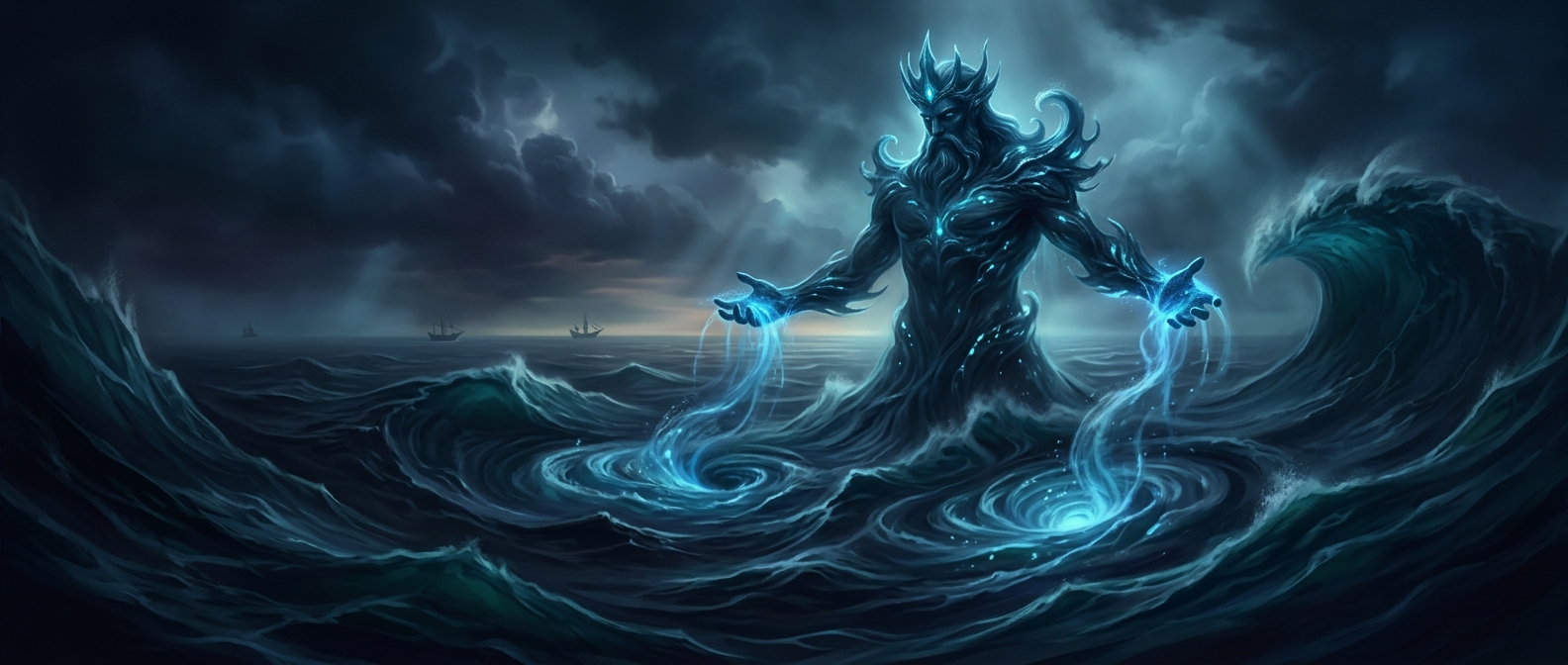
In astrology, Neptune is associated with what is hard to see or define: dreams, longing, spiritual ideals, and imagined worlds. Its symbolism is often linked to the sea, where distance and shape can be difficult to judge. From that image comes the idea of blurred boundaries—not only between people, but between what someone hopes is true and what the evidence shows.
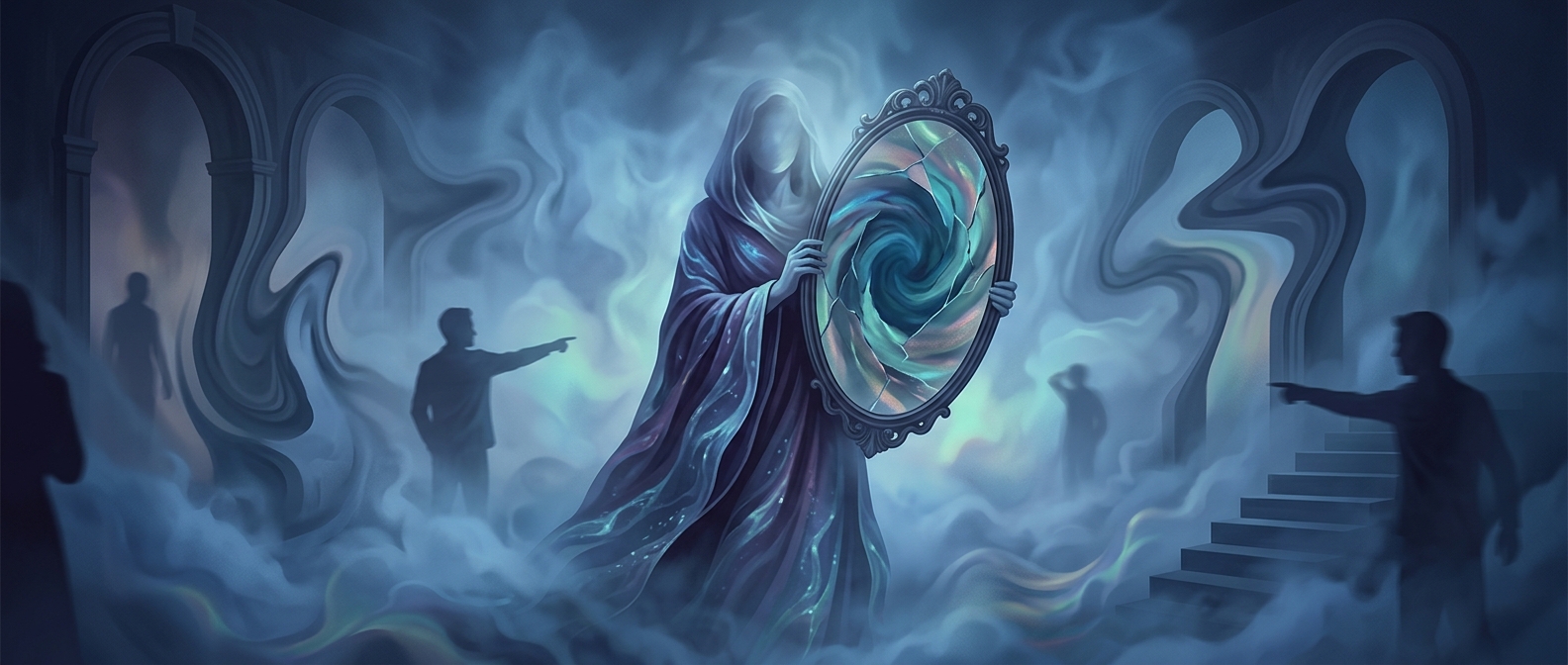
Astrologers use Neptune’s placement in a birth chart or its movement through the sky to describe where this ambiguity may be felt. In a relationship, for example, a Neptune-themed reading might point to idealizing a partner, overlooking inconvenient signs, or struggling to say where one person’s needs end and the other’s begin. Deception in this framework can mean deliberate lying, but it can also mean self-deception: accepting a comforting story because it fits a powerful wish.
The Difference Between a Warning and a Verdict
Neptune’s symbolism is not usually treated as proof that someone is lying. It is more like a prompt to examine perception: What is known, what is assumed, and what is being filled in by hope or fear? That distinction lets astrologers describe the pull of an illusion without deciding in advance who is responsible for it.
The practical lesson within this tradition is to slow down when a situation feels compelling but oddly vague. Ask for specifics, check what can be checked, and notice whether admiration or fear is doing the work of evidence. In Neptune’s language, the fog may feel like a whole landscape—until someone looks closely at its edges.