The claw may not grip equally on every turn
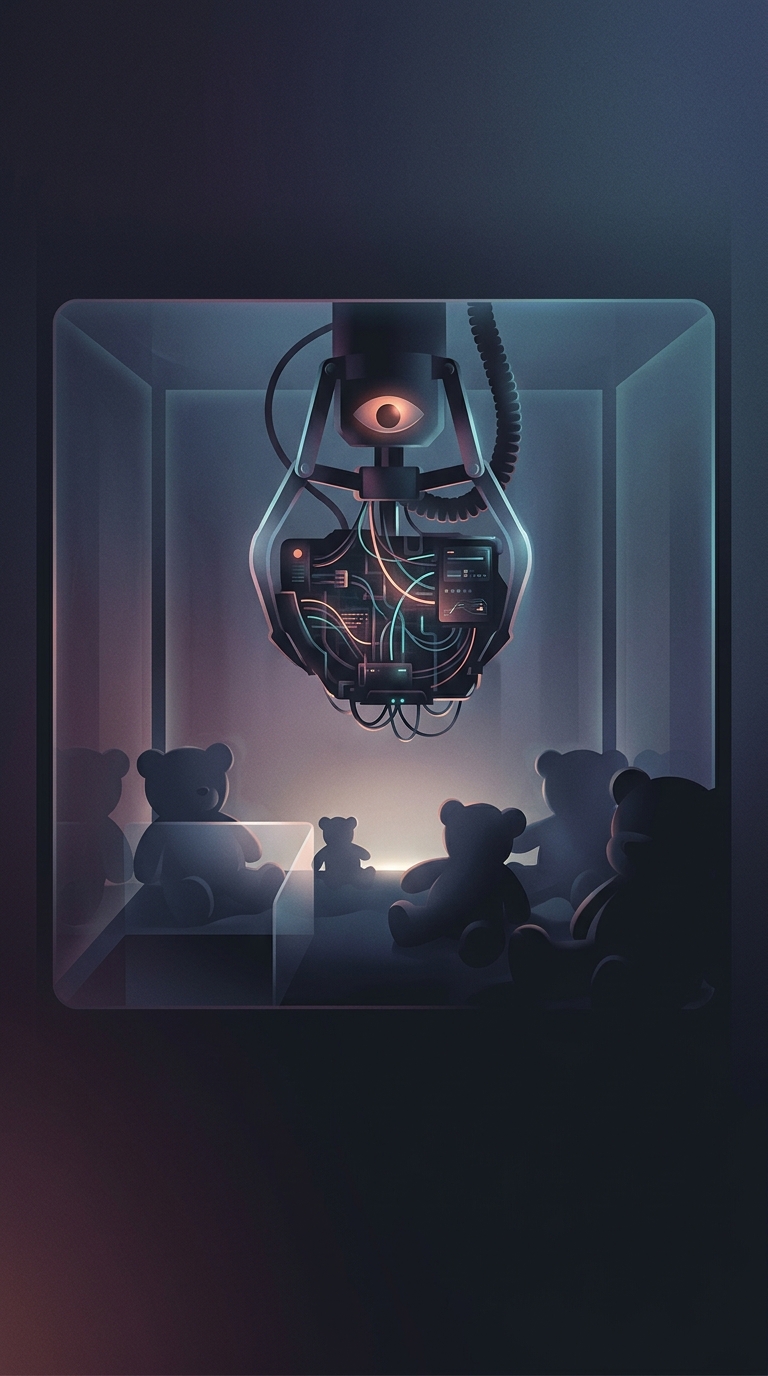
A modern prize machine can make a claw look like a simple tool: lower it over a toy, close the prongs, and hope the prize stays put. But in many machines, the grip is not necessarily constant. The operator can configure how strongly the claw closes, and some machines vary that strength across plays.
That changes what the player is really testing. A well-aimed drop may still end in a weak, slipping grab—not because the player missed, but because the machine is using a lighter grip at that moment.
Why the machine sometimes seems to “almost” work
A claw can close around a prize, lift it briefly, then loosen or lose its hold as it moves. That near-win is persuasive: it suggests the prize was within reach and that a slightly better angle might succeed next time. But the machine’s grip settings may matter as much as aim. The toy’s shape, weight, and position also affect whether the prongs can hold it.
Some machines are configured to deliver a stronger grab only under particular conditions, such as after a sequence of weaker attempts. The exact setup varies by machine; not every claw game uses the same system. The important distinction is that visible skill and hidden settings can both shape the result.
What the player can—and cannot—control
Players can choose where to drop the claw and look for prizes that are loose, light, or positioned where the prongs can get underneath them. Those choices improve the physical chances of a grab. They cannot, however, make a claw grip harder if its settings are limiting the force.
So the most frustrating lesson for a careful player is that a near-miss may not be a near-success in the ordinary sense. The claw can reach the prize perfectly and still be set up to let go.