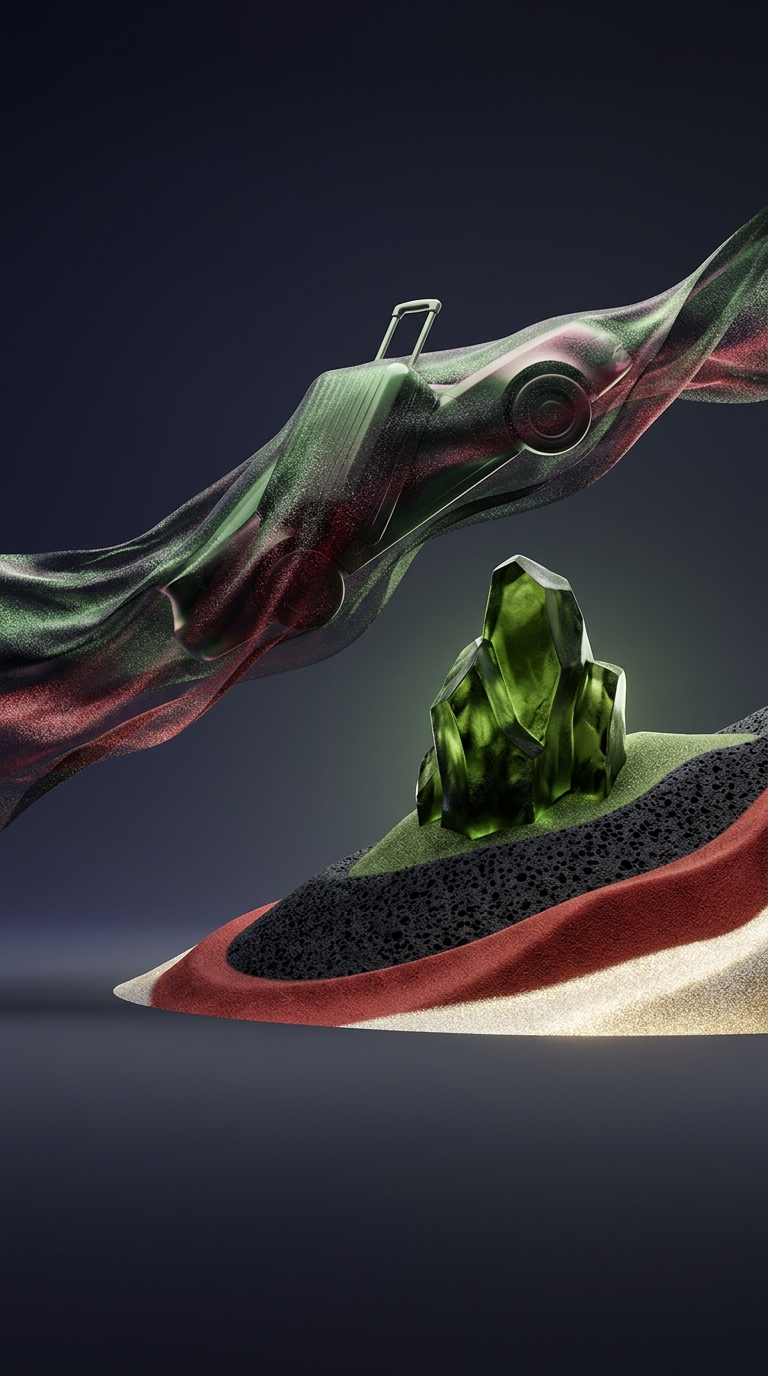
Why Hormuz’s soil ends up in the kitchen
On Hormuz, the vivid red ground is more than scenery. Local cooks use a particular red earth, often called gelak, in foods including bread, curries, and sauces. Its color comes largely from iron oxides—the same kinds of compounds that tint rust and many red rocks. Added to food, the earth contributes a warm red hue and a distinctive mineral character.
That does not mean any handful of island soil belongs in a meal. The culinary tradition concerns selected local earth used by cooks, not soil in general. The word “spice” can also be misleading: gelak is a mineral seasoning, not a dried leaf or seed.
A landscape you can taste
Hormuz’s striking colors are part of its geology, and the red earth connects that landscape to everyday cooking. A pinch can turn a simple dough or sauce visibly red, making the island’s mineral-rich ground part of the dish as well as its setting. It is an unusually direct link between place and flavor: on Hormuz, the scenery does not just surround the meal—it can help season it.