How a volcanic cone becomes a green beach
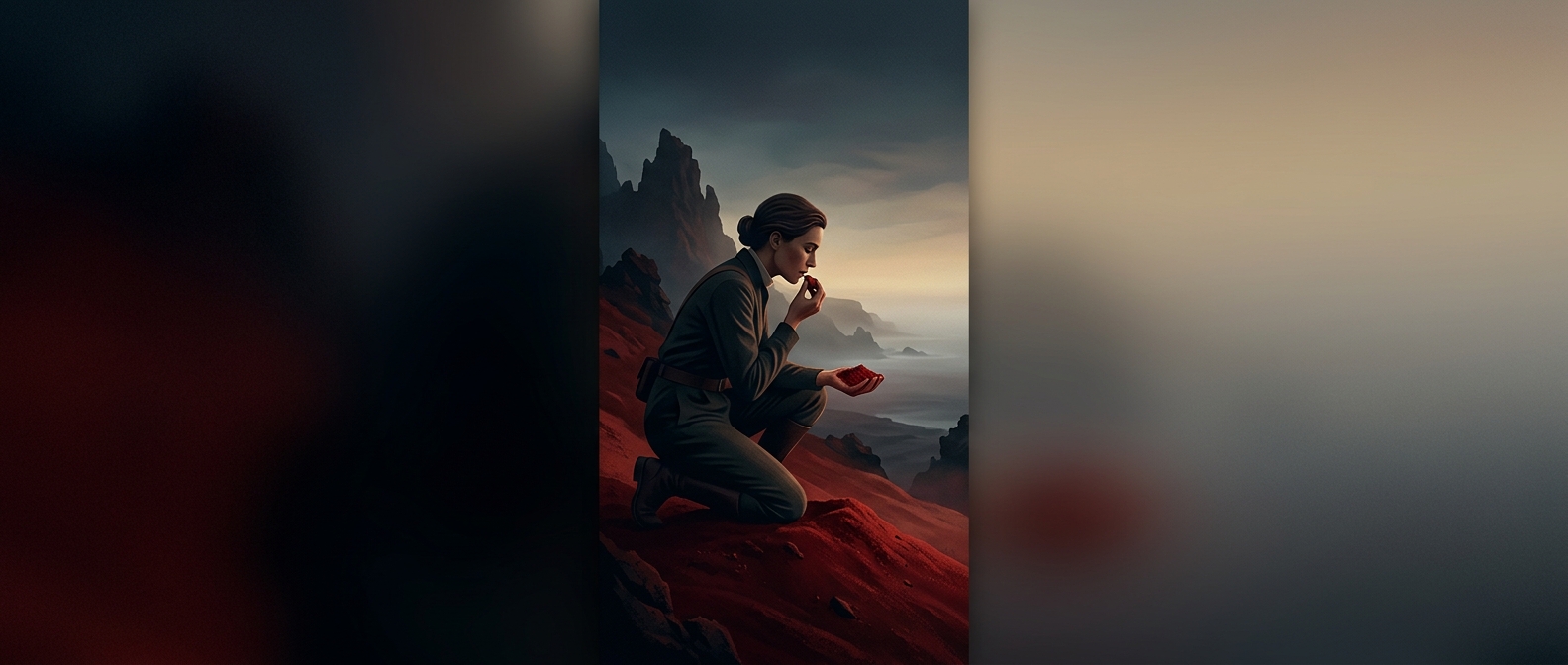
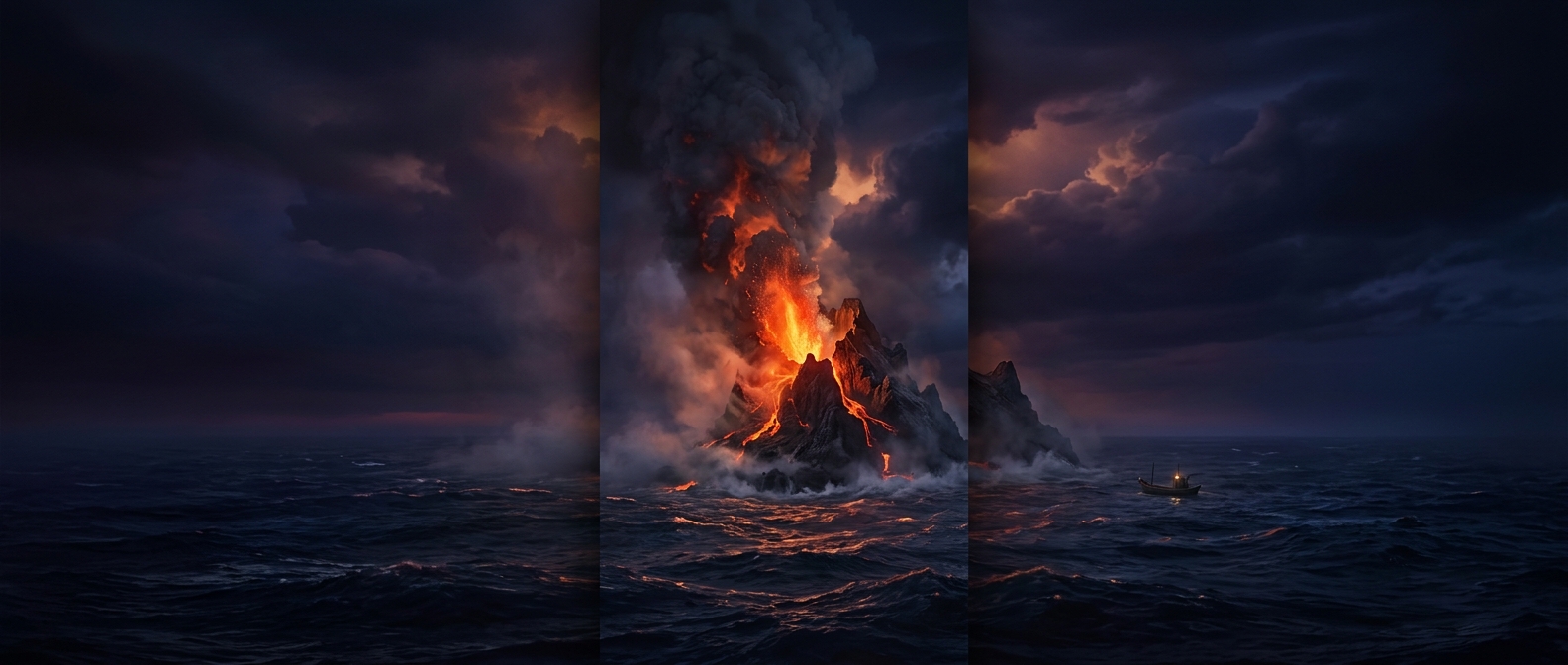
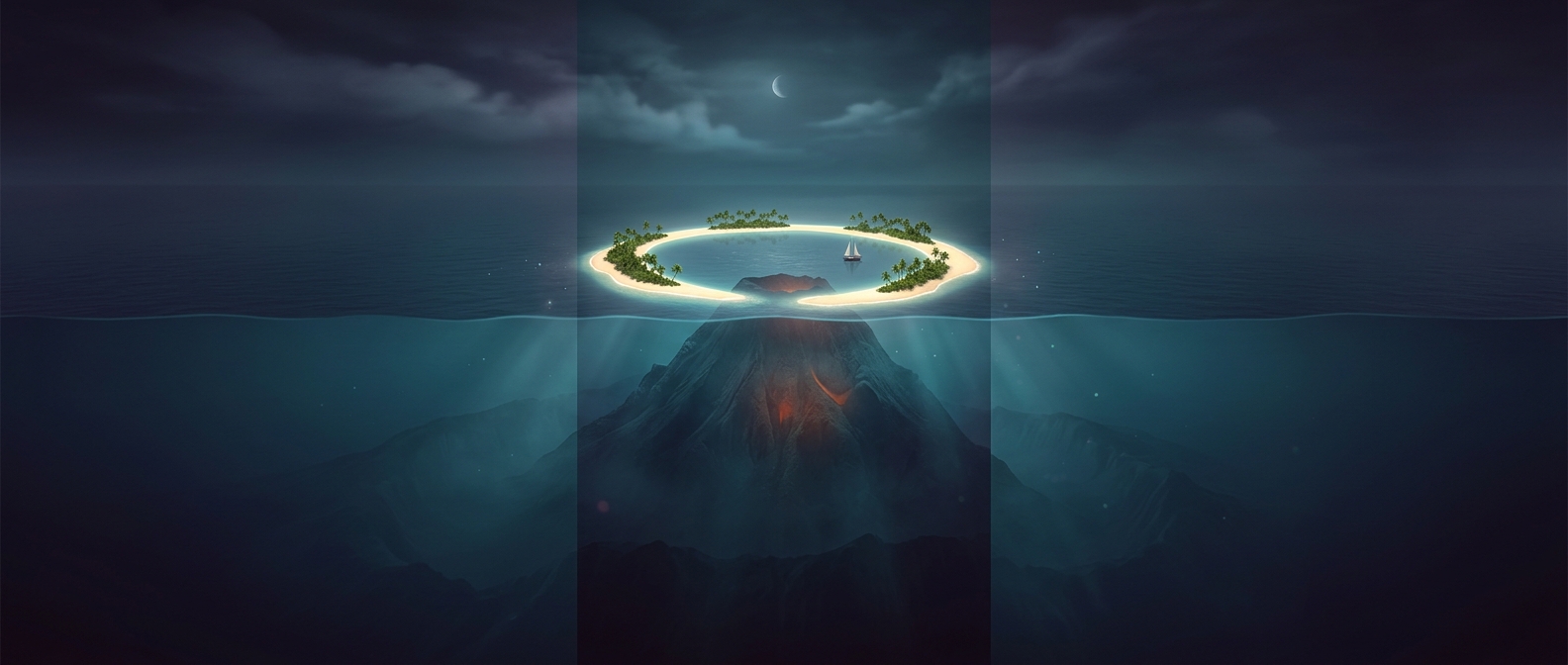
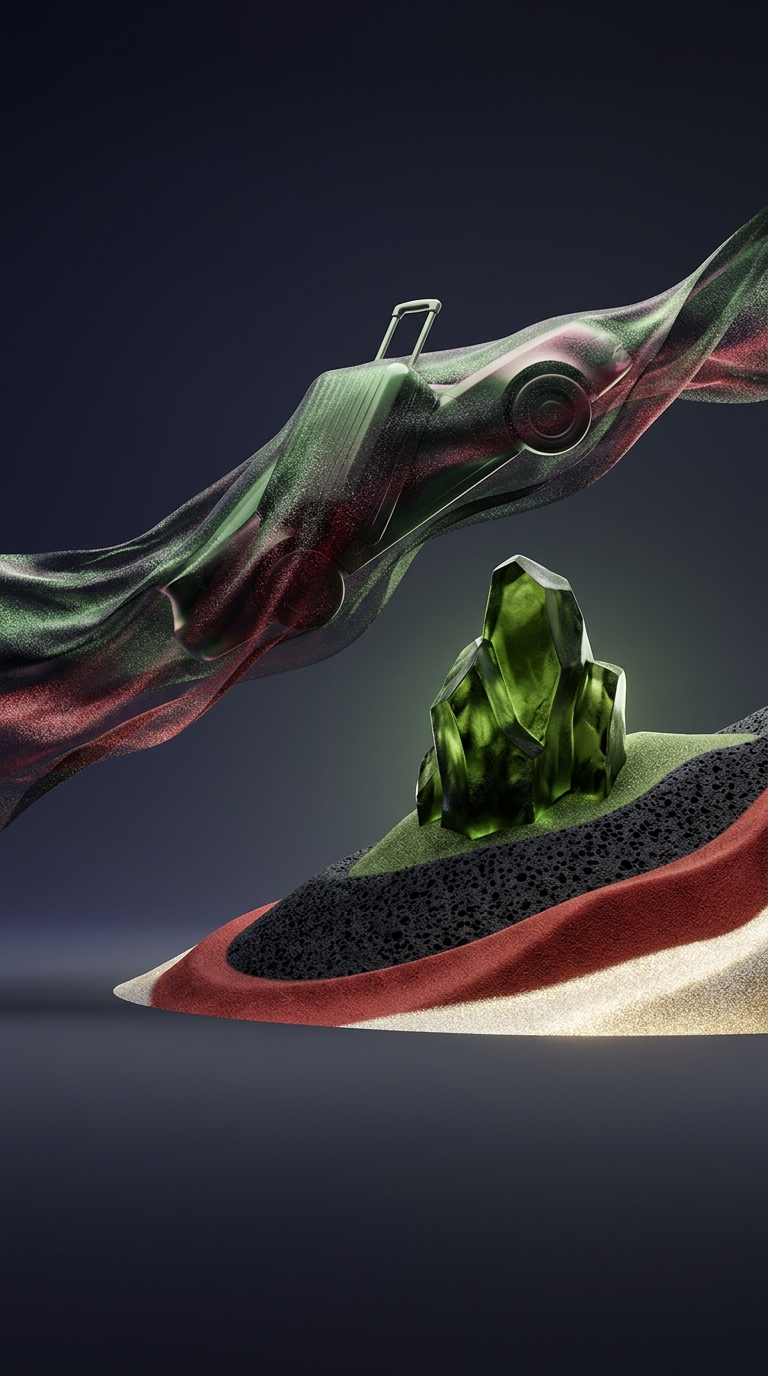
At Papakōlea, the color begins inside the rock. Olivine, a green mineral, crystallized as molten lava cooled in a cinder cone near the coast. As waves and weather wear the cone down, they release individual olivine grains into the beach sediment. The sand is green because many of its grains are pieces of the mineral itself—not ordinary sand stained by a green coating.
The shoreline sorts the grains
Erosion supplies a mix of particles, but the surf does not leave them in a random pile. Waves move lighter fragments more readily, while relatively dense olivine grains can settle and accumulate in pockets along the shore. This natural sorting helps make the green color striking at the water’s edge, even though the beach is made of mixed volcanic material.
The process also explains why the color belongs to this particular stretch of coast: it depends on a nearby source of olivine-rich rock and on waves continually breaking that rock apart and rearranging its grains. The beach is, in effect, a visible record of the cone’s slow erosion—its green sand consists of mineral crystals that once formed within cooling lava.