Where the pressure goes when a sneeze is trapped
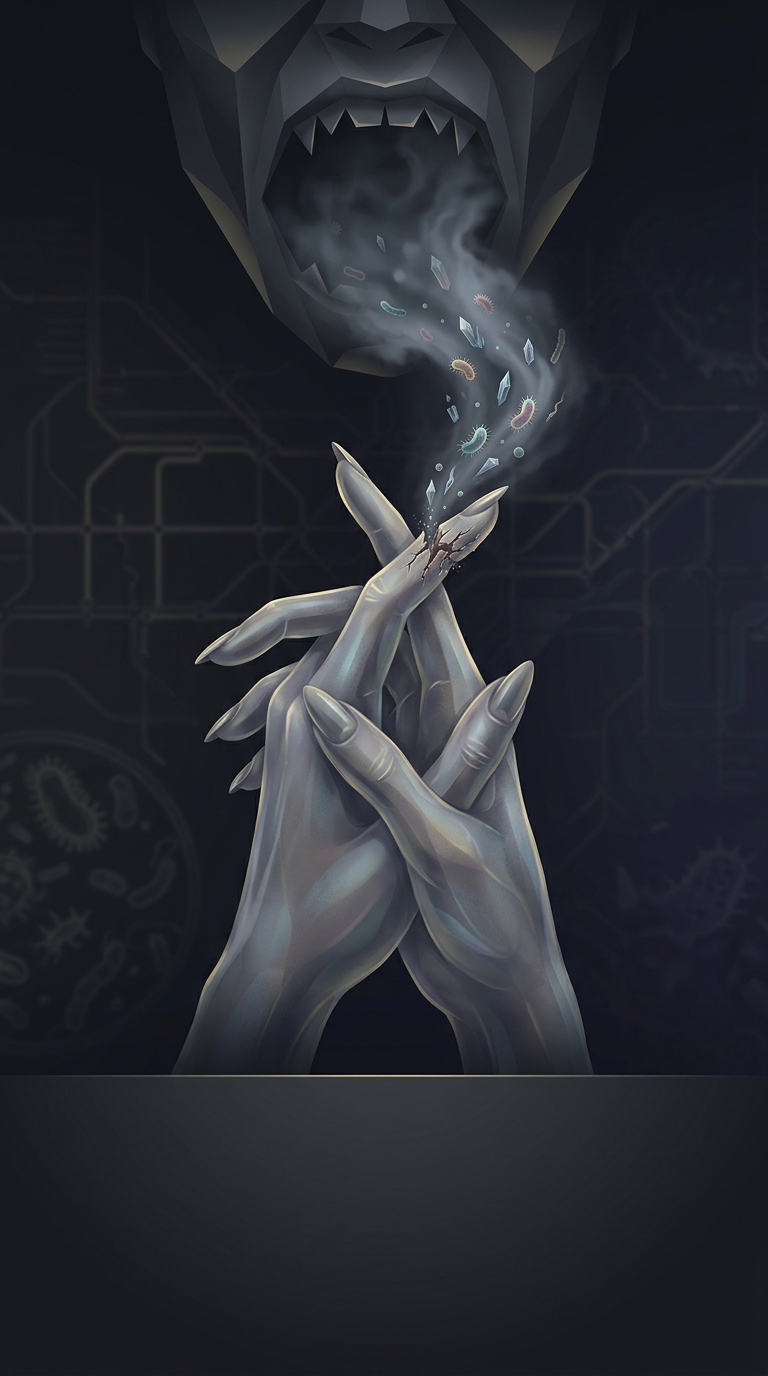
A sneeze is a reflex that rapidly pushes air out of the lungs through the nose and mouth. The throat and chest muscles help build the force, while the airway briefly narrows. If you clamp your nostrils shut and keep your mouth closed, the air has no easy exit. Pressure can rise in the upper airway instead of being released in the usual burst.
That pressure does not normally cause dramatic damage, but in rare cases it can injure tissues. Reported injuries include a tear in the throat, damage to the eardrum or middle ear, and air leaking into spaces around the lungs or beneath the skin of the neck. A person with air trapped under the skin may notice swelling or a crackly feeling when touching the area. These are unusual complications, not the expected result of every suppressed sneeze.
Why a small opening matters
The nose, throat, ears, and chest are connected by passages and delicate tissue. When pressure is forced into a closed system, it may strain whichever structure is weakest or most exposed. The exact route and risk vary; there is no single predictable “sneeze injury.”
The practical choice is simple: let the sneeze out, ideally into a tissue or your elbow. If you have forcibly suppressed a sneeze and then develop severe throat or chest pain, trouble swallowing or breathing, or sudden hearing changes, seek medical care. The rare danger comes from trapping the pressure—not from sneezing itself.