How magnets can trap the bowel wall
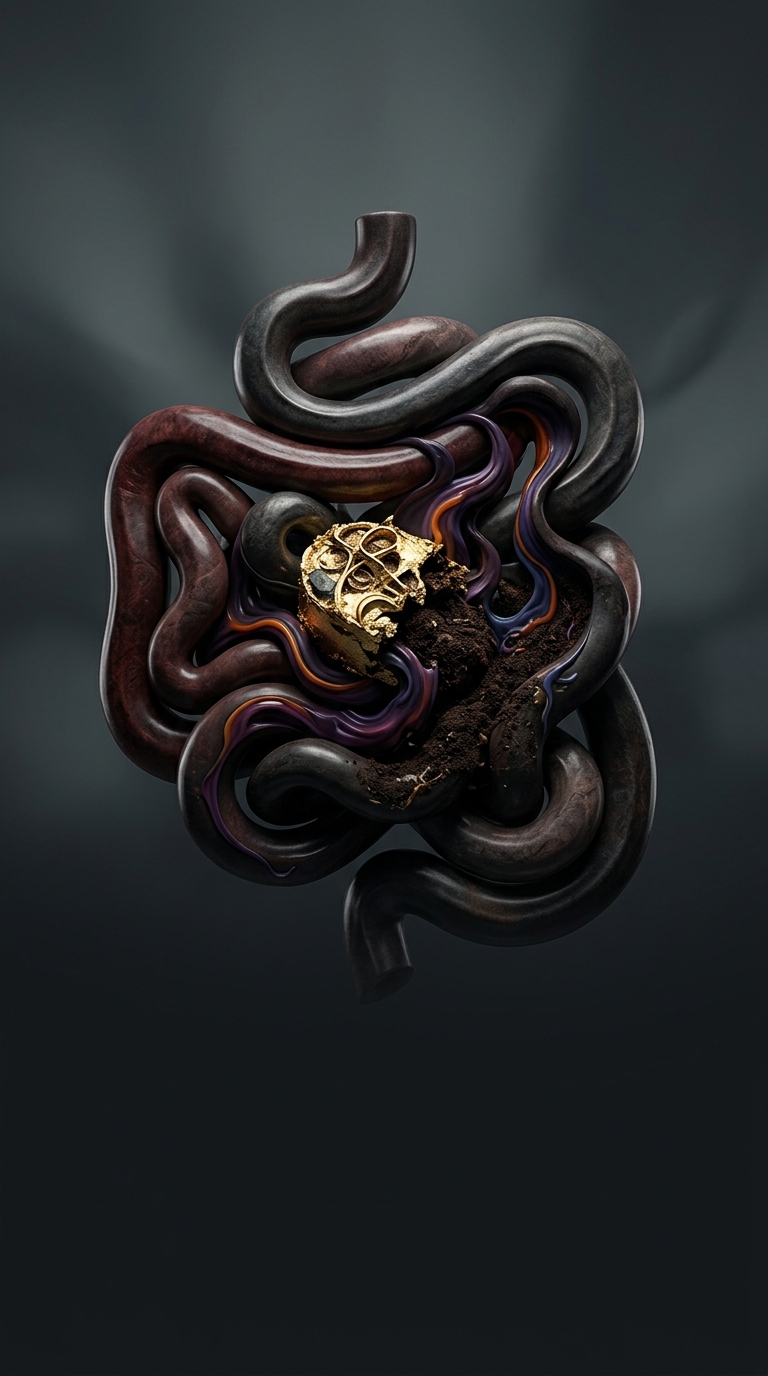
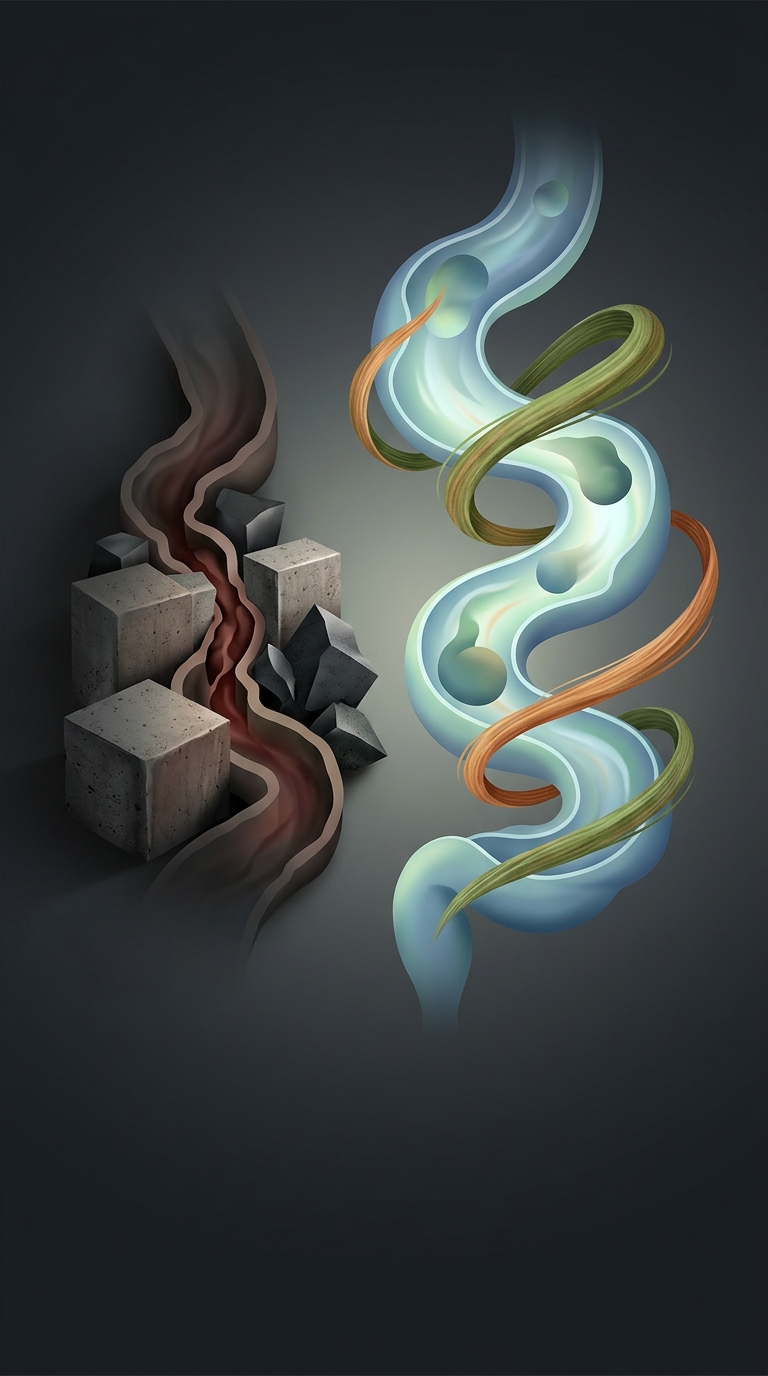
After swallowing, magnets move through the digestive tract, a long, winding tube. If two magnets reach different loops of intestine, they can still pull toward each other through the thin walls that separate those loops. The tissue between them may become caught in the magnetic pull, like fabric pinched between two clips.
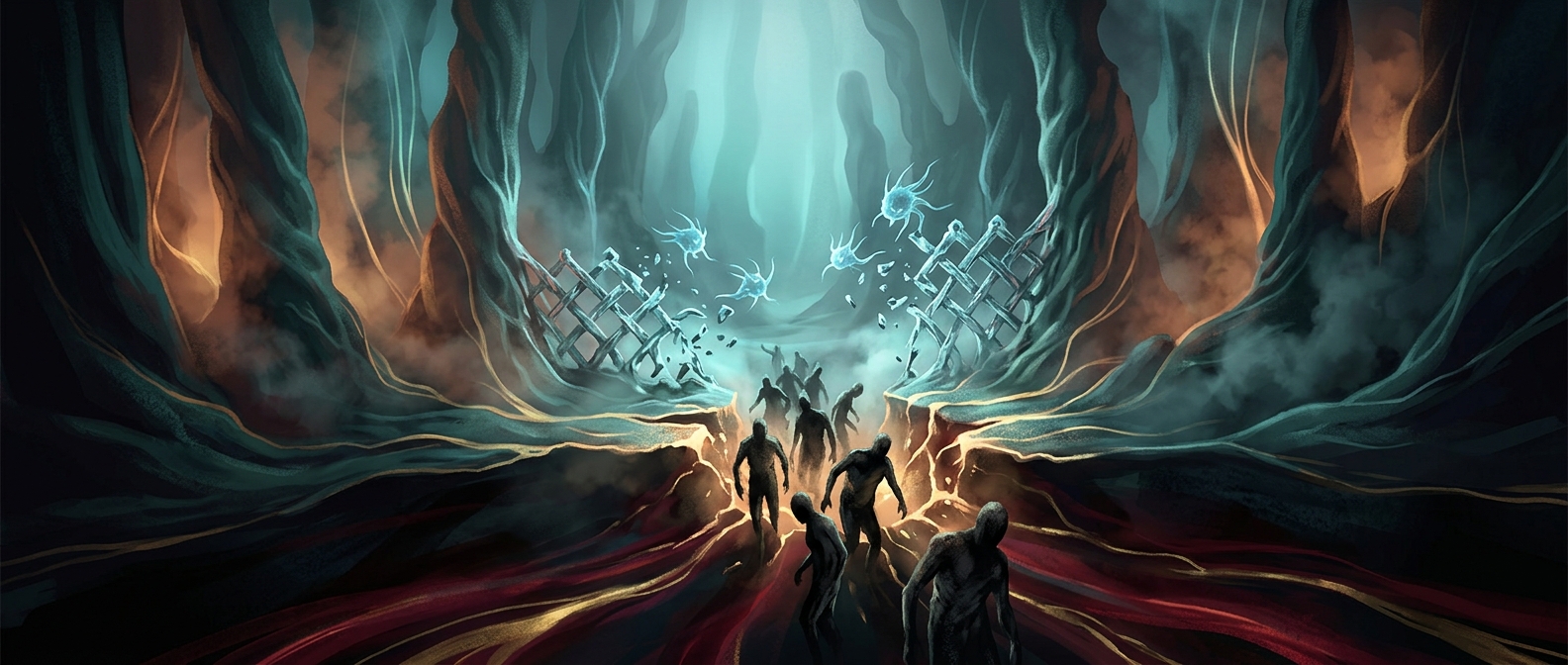
That pressure can squeeze the tissue’s small blood vessels. With too little blood reaching it, the tissue can become injured and may eventually die or develop a hole. A perforation—a hole in the intestinal wall—can let digestive contents leak into the abdomen and cause a dangerous infection.
Why waiting is risky
The magnets may not travel together or pass on their own. They can remain attached across the bowel wall, so a child or adult may initially have few symptoms even as pressure continues. Pain, vomiting, fever, or other signs can develop, but waiting for symptoms does not reveal whether the tissue is already being damaged.
For that reason, suspected swallowing of more than one magnet needs urgent medical assessment, even if the person seems well. Clinicians can use imaging to locate the magnets and decide whether they need to be removed, often with an endoscope or surgery. The crucial detail is that the magnets’ danger comes not only from where they are, but from what they can pinch between them.