How a Bitten Nail Can Become Infected
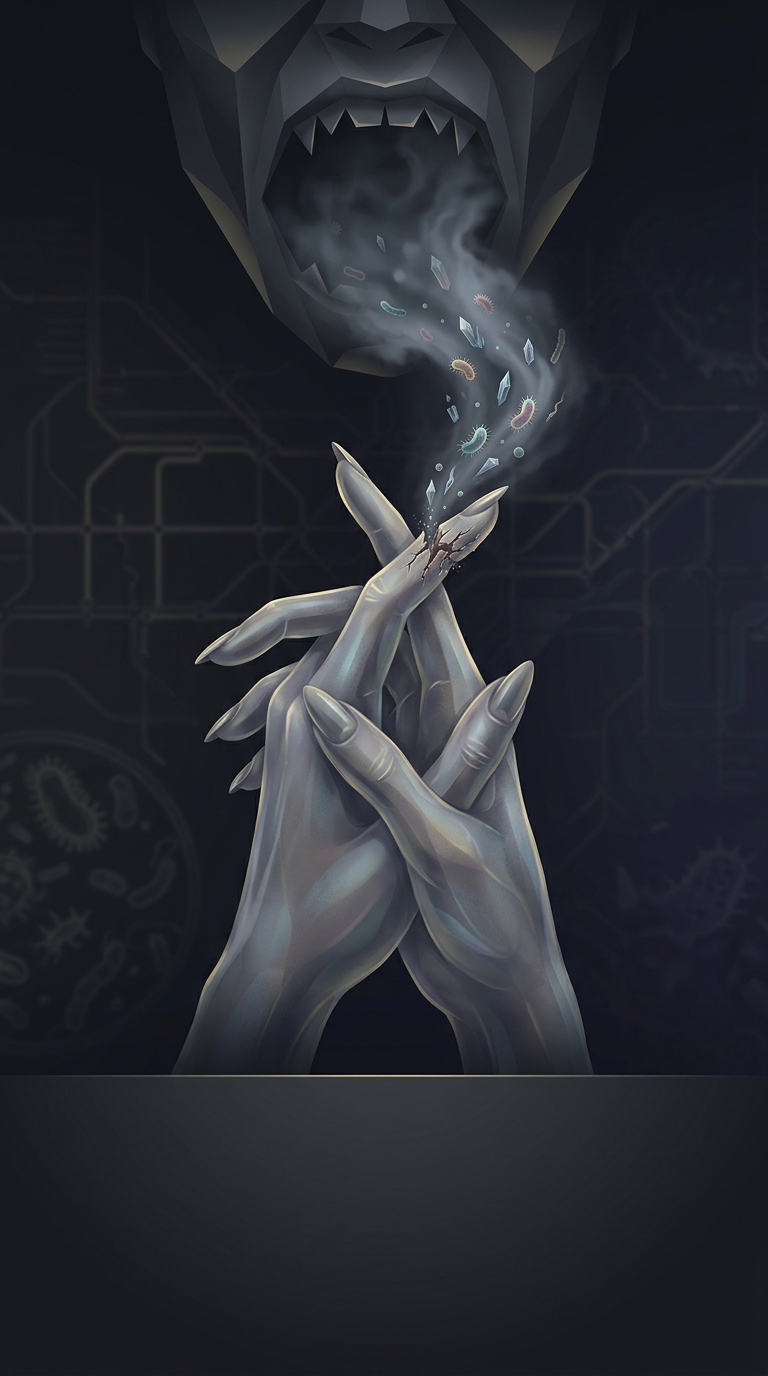
The skin that borders a nail helps seal the space between the nail plate and the living tissue beneath it. Biting can tear that seal, leaving small cracks or ragged edges. Each new bite may reopen the same spot before it has healed, giving bacteria on the fingers or in the mouth a chance to enter the damaged skin.
Why the Area Can Swell and Hurt
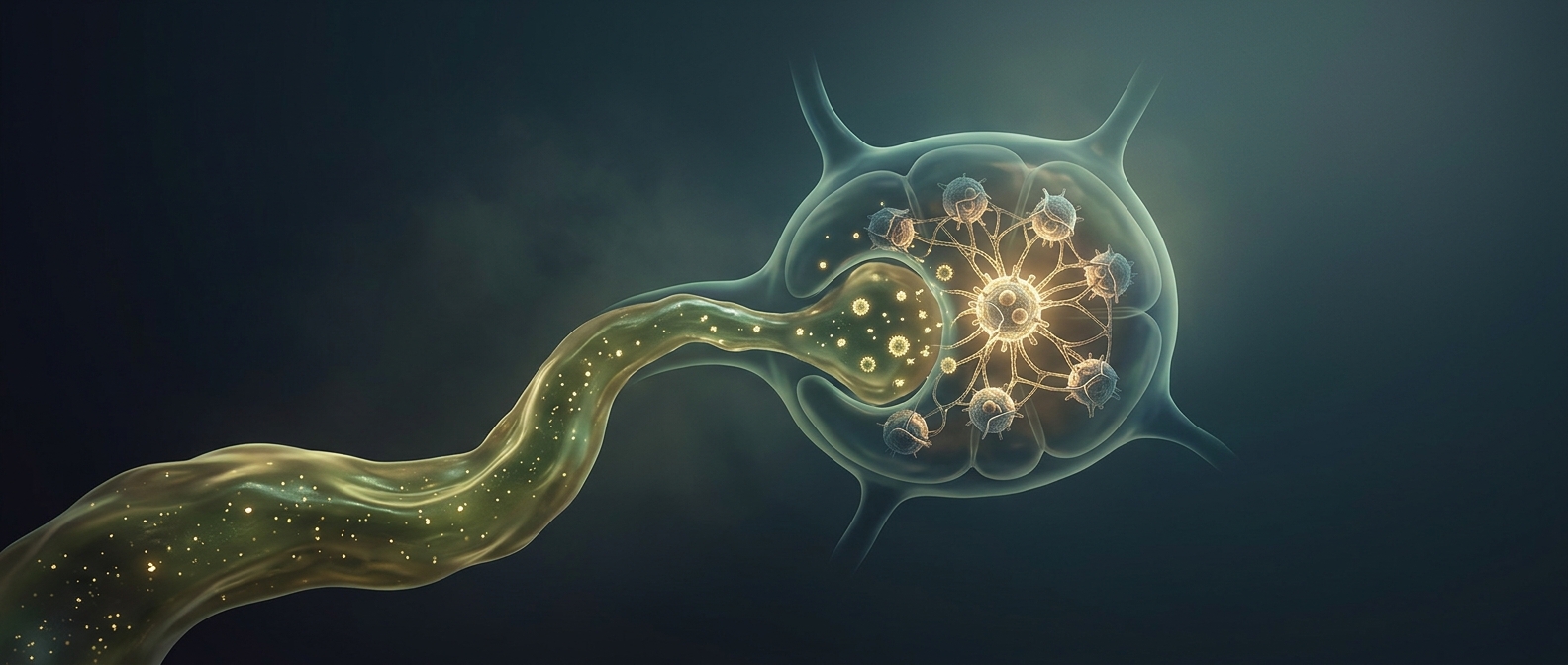
An infection of the skin around a nail is called paronychia. It can cause redness, tenderness, and swelling; sometimes pus collects at the edge of the nail. The problem is usually local: a tiny cut does not ordinarily send bacteria straight into the bloodstream. A more serious, spreading infection is possible, but it is not the typical outcome of a bitten cuticle.
Repeated damage matters because it keeps interrupting the skin’s repair. Even if a break is small, biting can irritate it again, and saliva brings additional microbes into contact with the wound. The result is a recurring weak point rather than one clean injury that gets time to close.
The Practical Consequence
Avoiding bites gives the skin a chance to heal; keeping the area clean and resisting the urge to pull at loose cuticle can also reduce further tearing. Increasing redness, worsening pain, warmth, or pus can signal an infection that needs medical attention. The striking risk is not that every bitten nail leads to a dangerous infection, but that a repeatedly reopened edge can turn an ordinary hangnail into a painful one.