The toilet opened directly onto the track
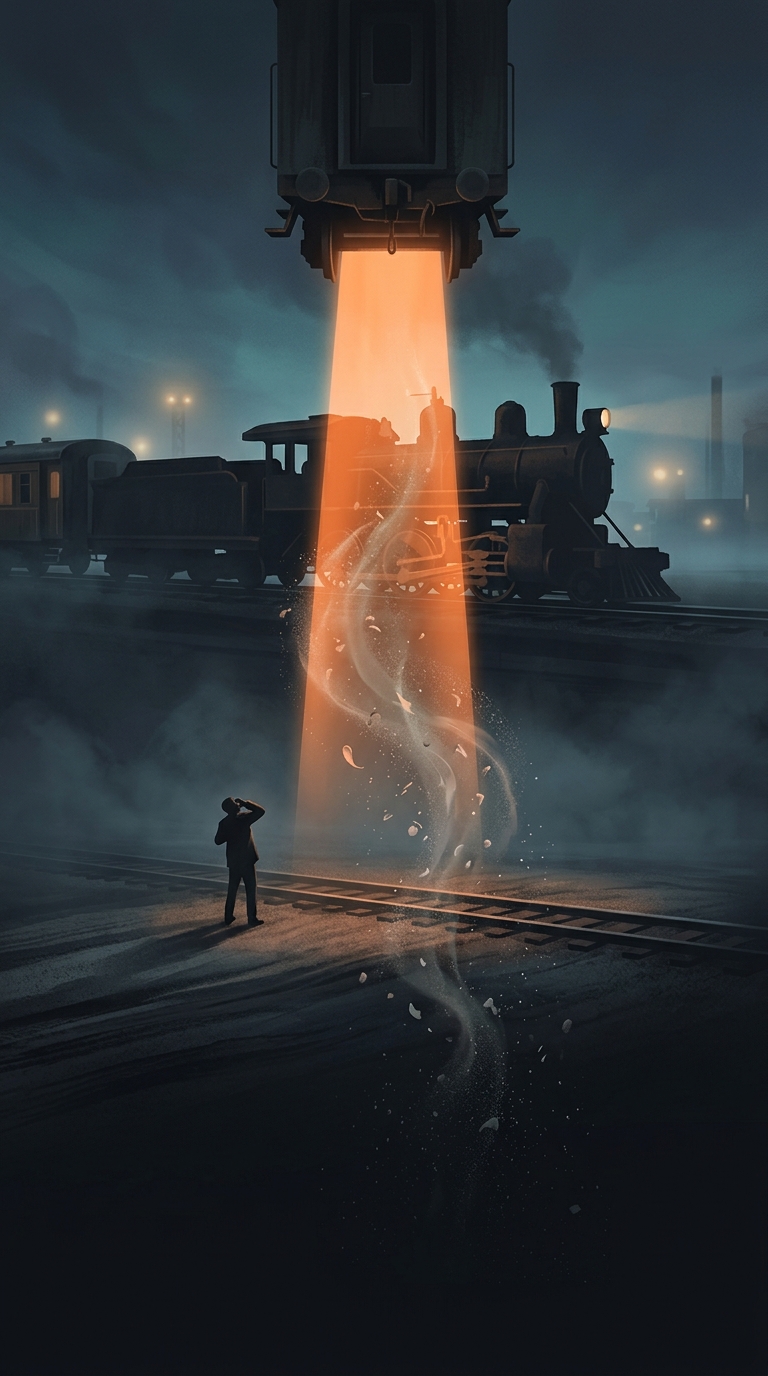
On many older passenger trains, the bathroom had no storage tank. Its toilet emptied through a pipe or chute beneath the carriage, so waste fell onto the railway bed as the train moved. The track’s gravel—called ballast—was not a treatment system; it simply lay beneath the rails, where the waste was dispersed along the route.
The arrangement was mechanically simple. A tank would have needed space, added weight, and regular emptying at stations or depots. A direct-discharge toilet avoided those tasks, which mattered when trains had to operate far from facilities equipped to service them. It also meant the toilet could not safely be used everywhere: at a standstill, waste would collect beneath the train rather than be carried away.
A cheap solution with costs beyond the carriage
What was convenient for the railway operator shifted the problem to the track environment. Waste could be left where railway employees worked, and it raised hygiene concerns around stations, yards, and other places where trains slowed or stopped. The system also made toilets less usable in those settings, so operating practices sometimes restricted their use near stops; the details varied by railway and period.
Modern retention tanks change the route, not the basic purpose: they hold waste aboard until it can be emptied at a service facility. That requires extra equipment and maintenance, but it prevents each passing train from depositing its contents along the line. The old design’s defining tradeoff was stark: it saved the train from carrying waste, while leaving the railway to deal with it.