A spring gathering became a fairground
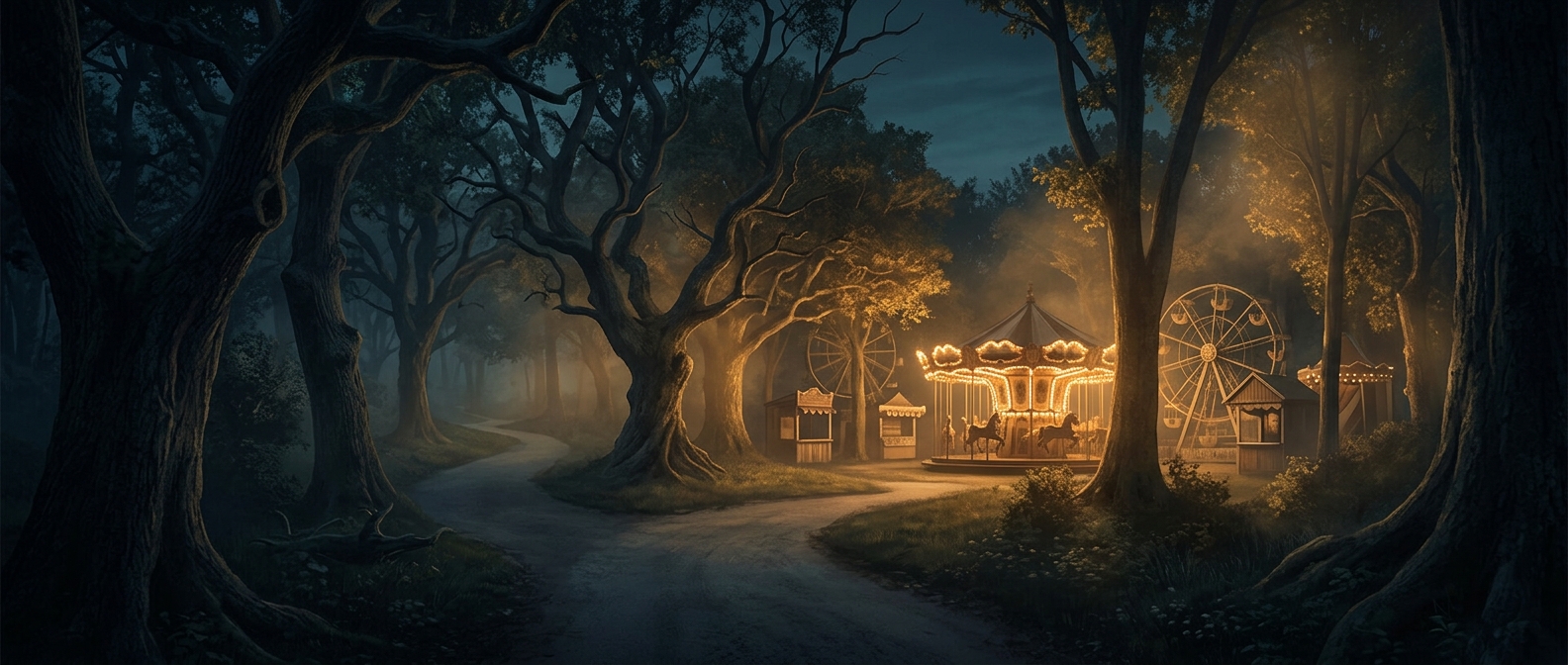
Bakken’s beginnings were not built around rides. In the 16th century, people came to a spring in the woods north of Copenhagen, and their presence created an audience—and a market. Sellers could offer refreshments and goods; entertainers could attract people who had come for the day. The spring drew the crowd, while commerce and amusement gave visitors more reasons to stay.
That pattern helped shape Bakken’s enduring character: it grew from a public gathering place rather than from a single planned attraction. Its early attractions were the people and activities assembled around the visitors, not a carefully themed landscape or a collection of mechanical rides.
From seasonal crowd to lasting entertainment
A gathering like this depended on conditions outside the vendors’ control. It needed a place people could reach, a reason to make the trip, and enough activity to keep the visit worthwhile. As sellers and performers returned, each added to the draw: more offerings made the destination more appealing, and larger crowds made it more worthwhile for businesses to come back.
Over time, that repeating cycle turned the woodland meeting place into a permanent amusement park. The contrast is the striking part of Bakken’s story: an institution associated today with rides and entertainment began with a much simpler attraction—a spring that brought people together, giving local businesses a reason to follow.