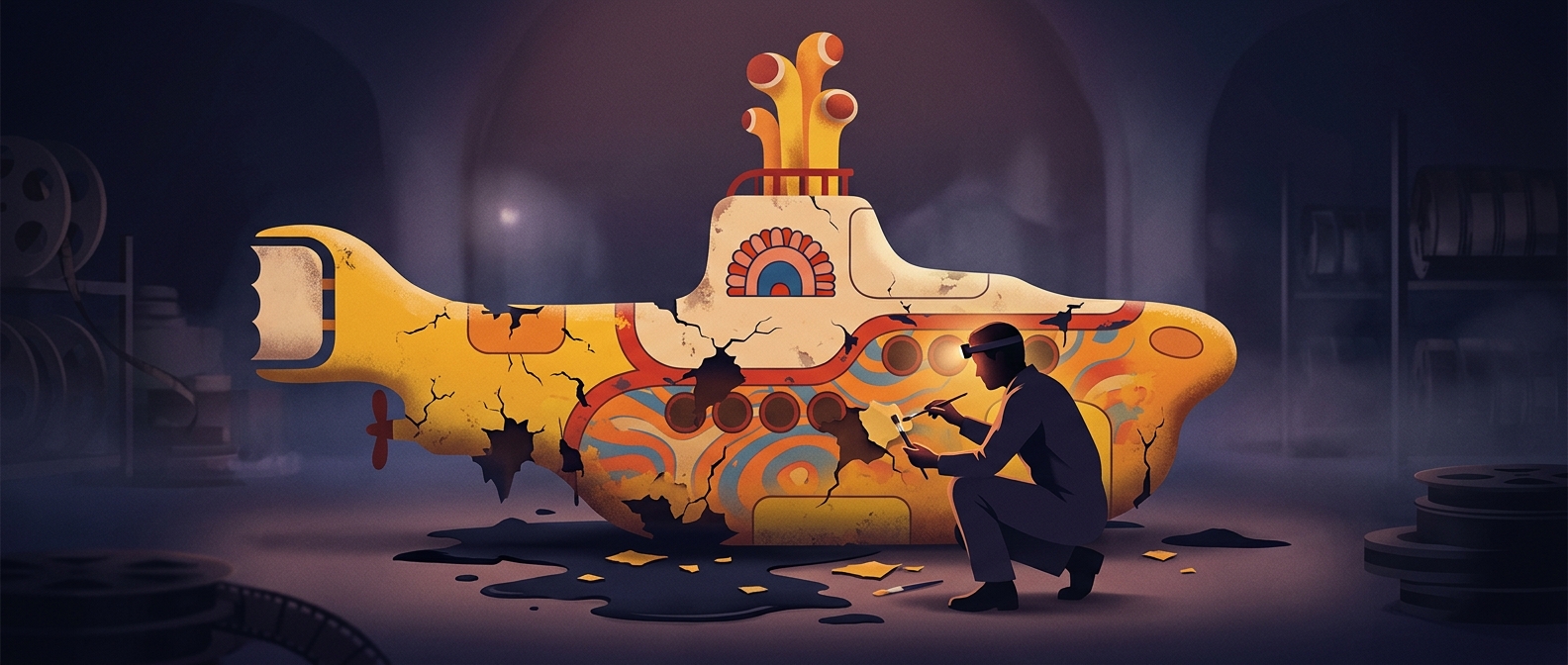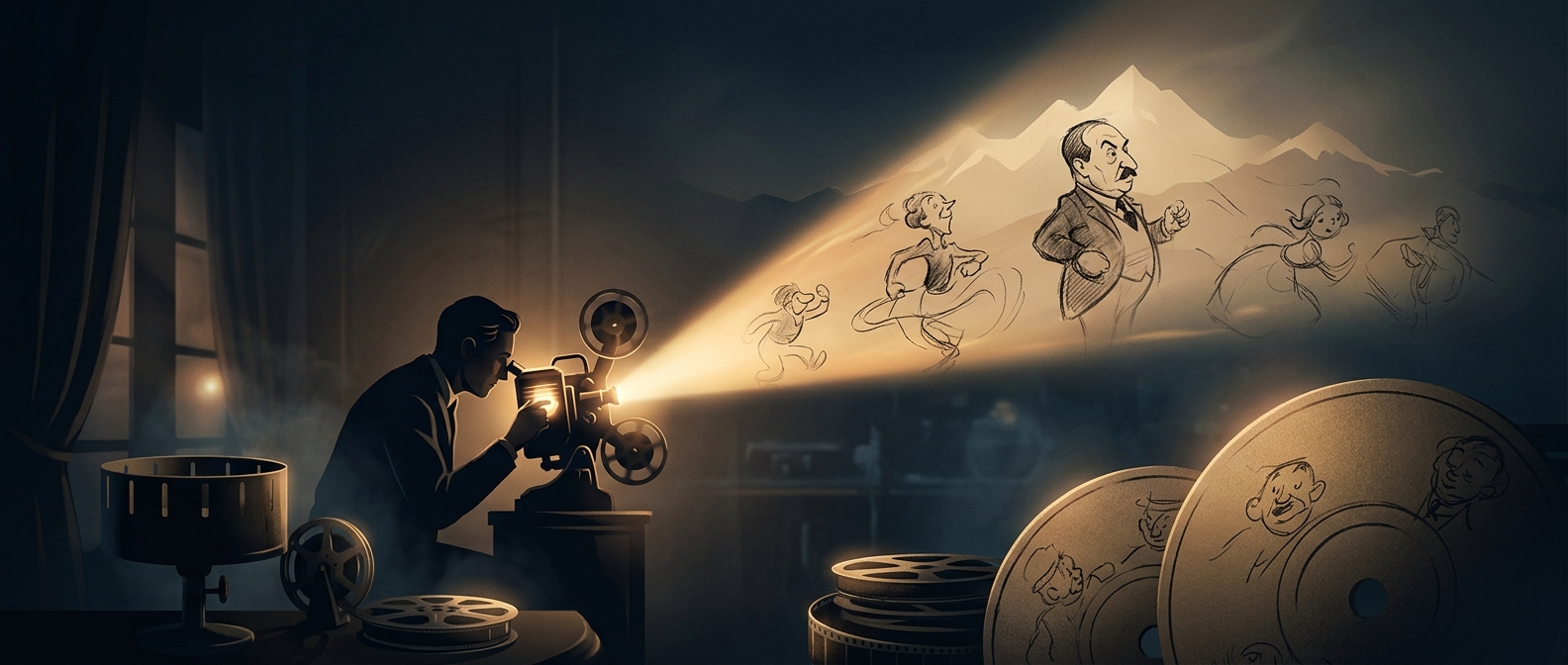
Henri Langlois turned hiding places into a film archive
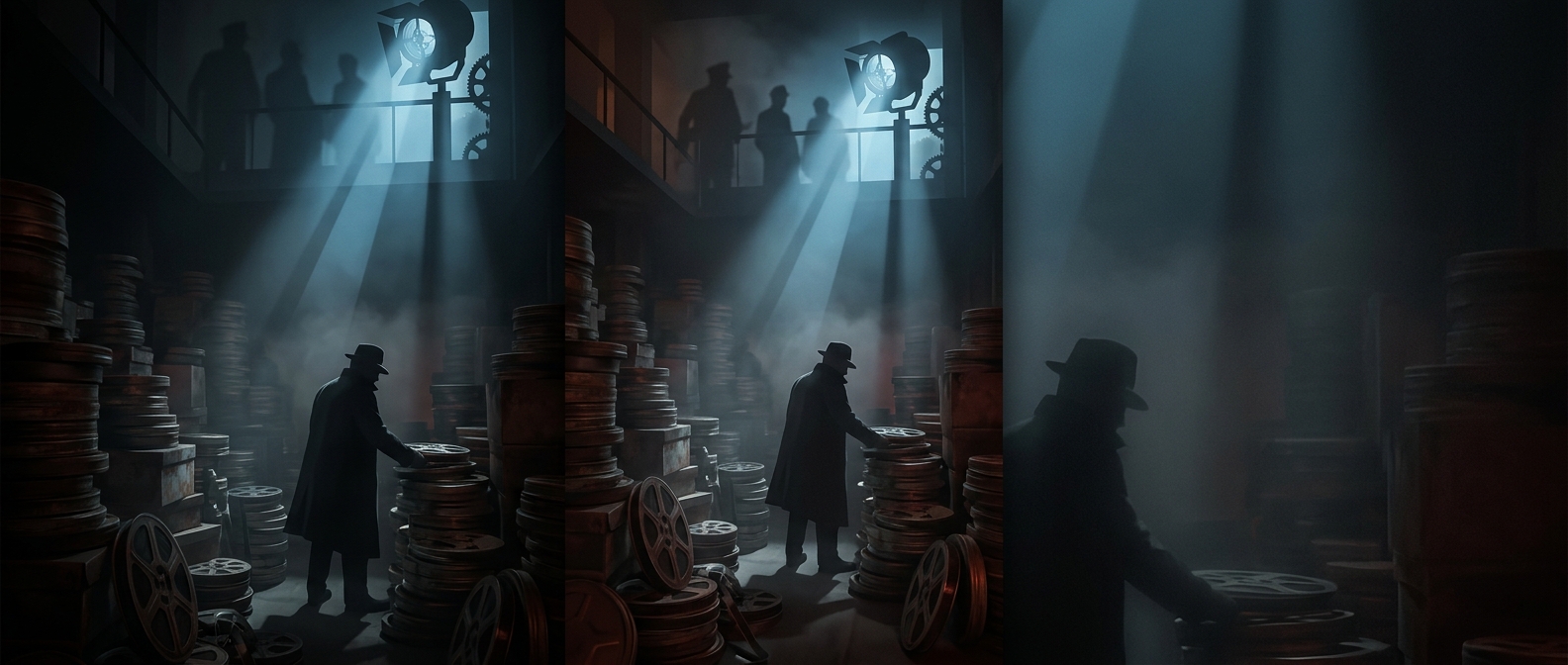
Under Nazi occupation, a film could be suppressed not only by banning its screening but by seizing or destroying the physical print. Henri Langlois moved prohibited reels out of Paris and concealed them in unlikely places, including bathtubs and country estates. The point was practical: a film hidden from searchers had a chance of surviving until it could be shown again.
Why the hiding mattered
Film preservation then depended on keeping reels intact. Unlike a book that could be copied by hand, a film print was a physical object; if it was lost, a particular version might be gone. Spreading reels across several hiding places also meant that a raid or accident at one location would not necessarily wipe out everything Langlois was trying to protect.
The danger was not only immediate confiscation. War disrupted the ordinary work of collecting, storing, and screening films, while censorship narrowed what audiences could see. Saving prints preserved more than entertainment: it kept works available for future viewers and for people who wanted to study cinema’s history.
From concealment to public memory
After the war, the films Langlois had gathered and protected helped form the collection of the Cinémathèque Française, the Paris institution devoted to preserving and showing cinema. The transformation was striking: reels once hidden in private spaces could become part of an archive where films could be encountered again. A bathtub or country estate had served, briefly, as an improvised link between a threatened film and its future audience.