Why a Skateboard Wheel Can Stop Without Warning
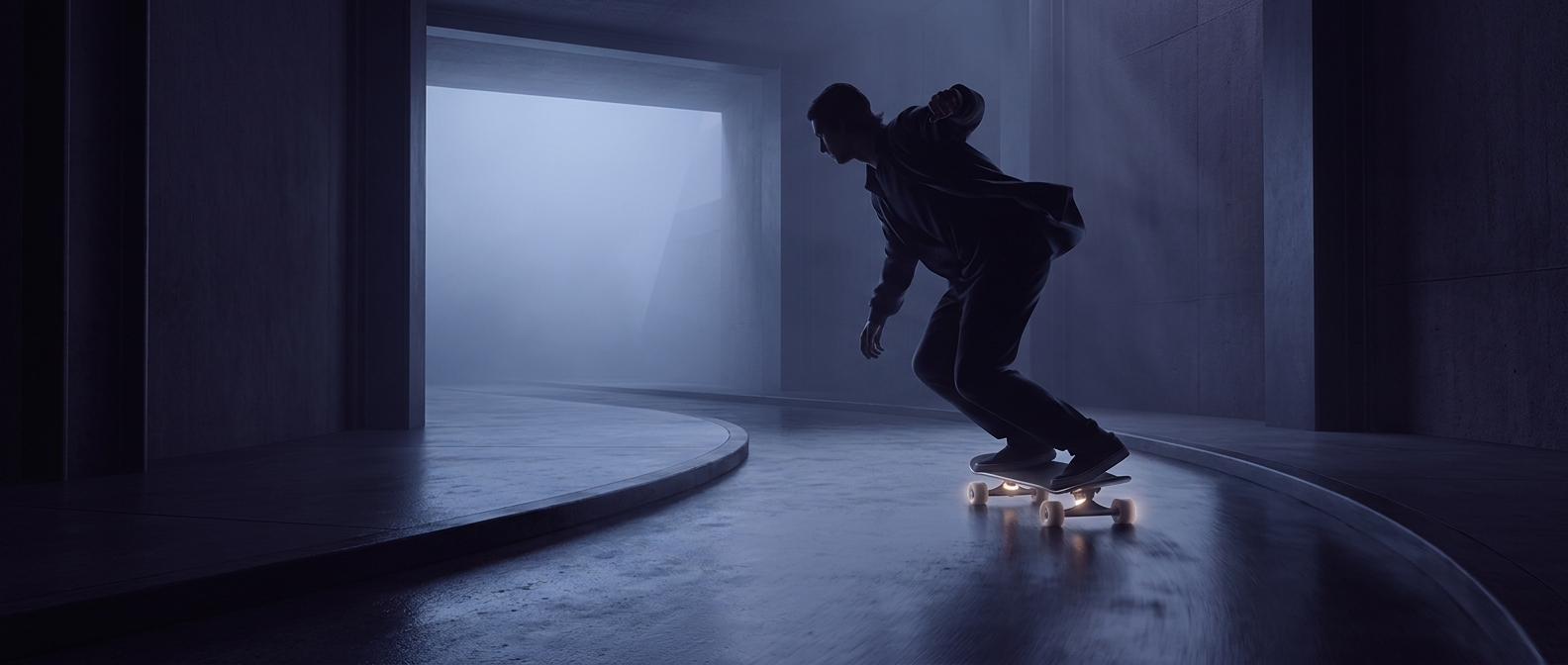
When a skateboard turns sharply, the deck tilts toward the ground. If a wheel swings up far enough, its edge can press against the underside of the deck. That contact—called wheel bite—can jam the wheel against the board and stop it abruptly, even though the rider’s body is still moving forward.
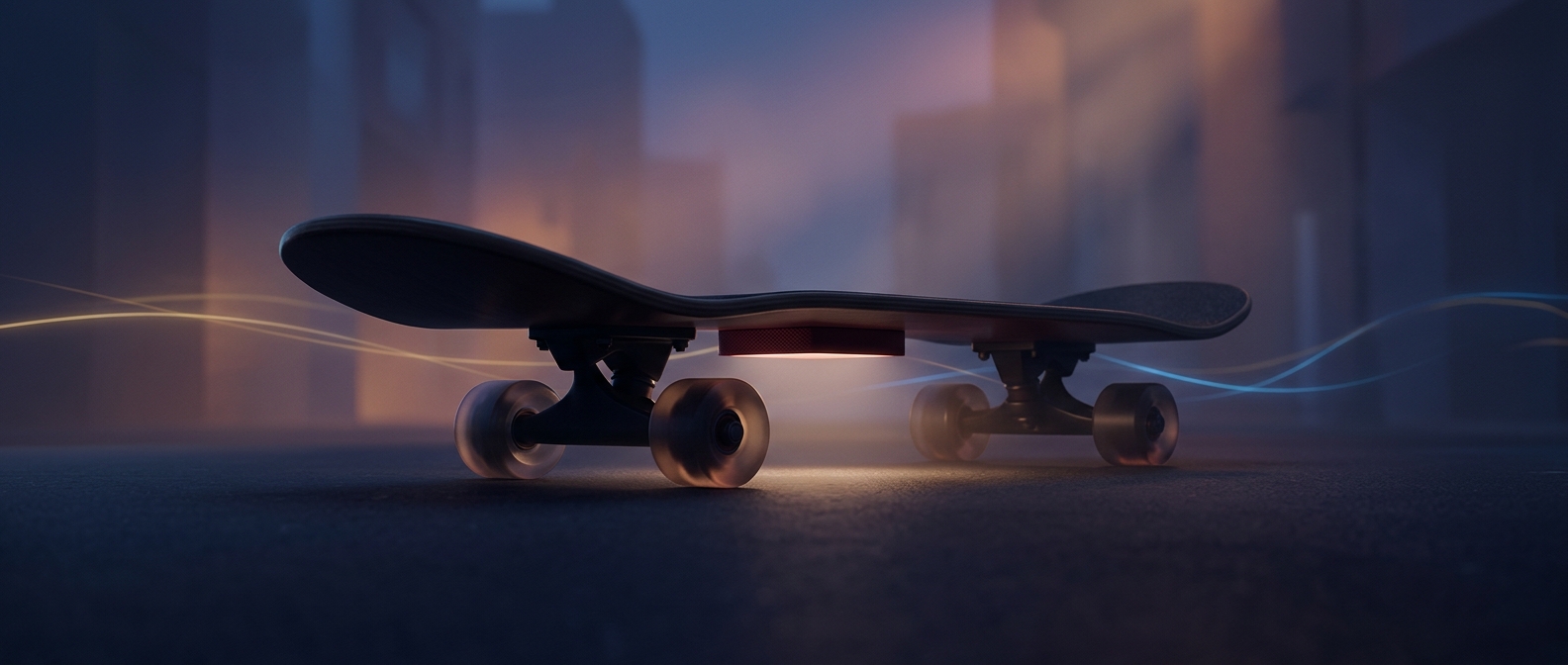
The risk depends on the board’s geometry and how it is ridden. Larger or softer wheels can take up more space beneath the deck, while tight turns and a low deck bring wheel and board closer together. A rider may feel the setup roll freely in a straight line, then encounter wheel bite only when leaning into a turn.
A Small Spacer Changes the Geometry
A riser pad is a spacer mounted between the trucks—the metal assemblies that hold the wheels—and the deck. By lifting the deck a little, it increases the gap between the deck and wheels. The pad does not prevent the board from turning; it gives the wheel more room to move beneath the tilted deck before the two can collide.
That extra height is a tradeoff. Raising the board can make it feel less low to the ground, so risers are not automatically needed on every setup. Their usefulness comes down to the combination of wheel size, deck shape, truck position, and turning angle. The practical test is whether the wheels can reach the deck during a hard turn.
A few millimeters can therefore matter: they may be just enough to keep a turn from ending in a locked wheel and a rider continuing forward without the board.