A prophecy shaped by place—and by interpretation
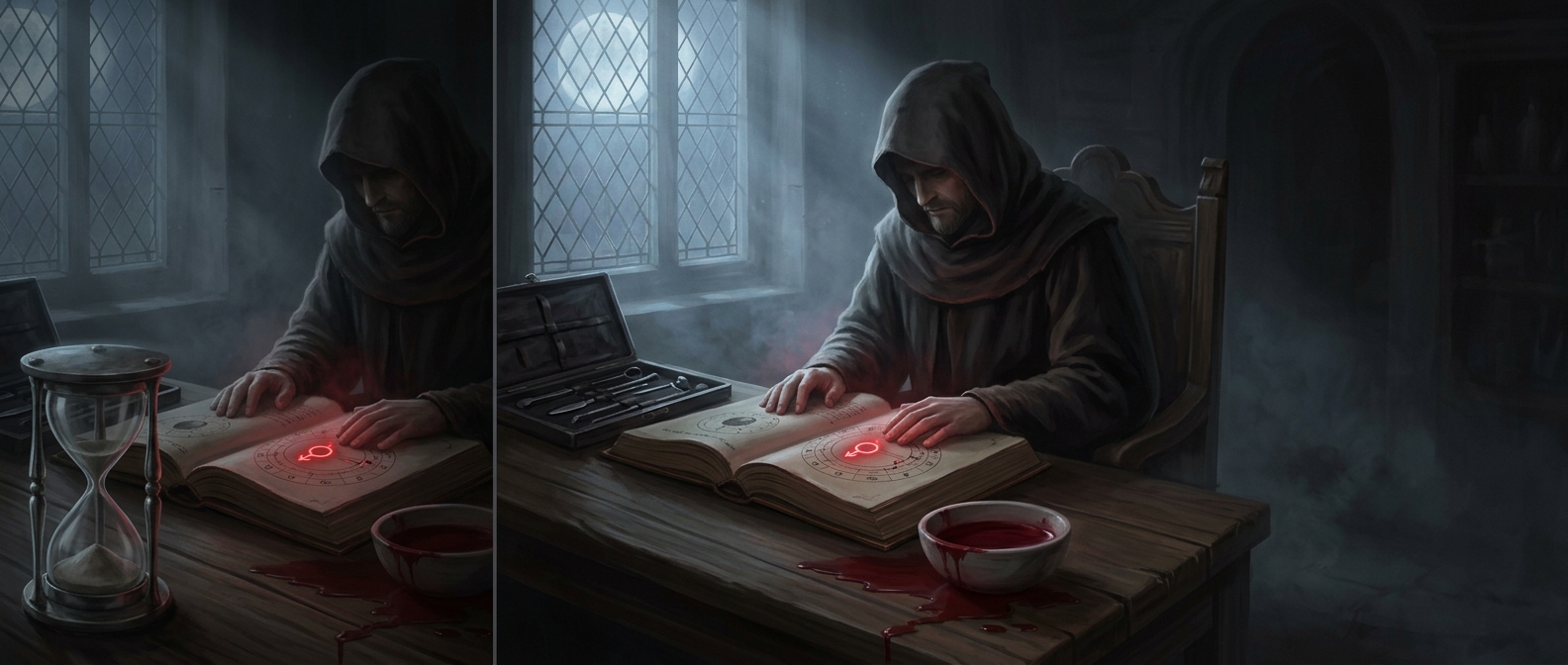
At Delphi, the Pythia—the priestess who spoke for Apollo—delivered answers from a sanctuary built above a geologically active area. Ancient descriptions and the site’s geology have inspired a striking explanation: vapors rising through cracks in the ground may have helped induce the altered state associated with her pronouncements.
Ethylene, a gas that can cause euphoria and confusion when inhaled at high concentrations, has been proposed as one possible vapor. But the precise cause of the Pythia’s trance is not settled, and the evidence does not establish that ethylene reliably filled the chamber. The geological setting makes the idea plausible enough to investigate, not a complete explanation of what happened.
Why the answer could be dangerous
The Oracle’s responses were not always straightforward forecasts. They could be brief or open to more than one reading, leaving the questioner to decide what they meant. That ambiguity mattered because consultation was often tied to consequential choices: founding a settlement, going to war, or choosing a political course.
Croesus, king of Lydia, asked whether he should attack Persia. The Oracle’s answer—that a great empire would fall—was true, but it did not specify whose empire. Croesus treated it as reassurance that Persia would be defeated. Instead, his own kingdom fell.
The human part of an oracle
Delphi’s power did not depend only on the priestess’s state or the sanctuary’s geology. It also depended on how rulers heard an answer and acted on it. A prophecy that left room for interpretation could acquire its final meaning only after events unfolded—and a confident listener could mistake possibility for promise.