Why PET resists biological breakdown
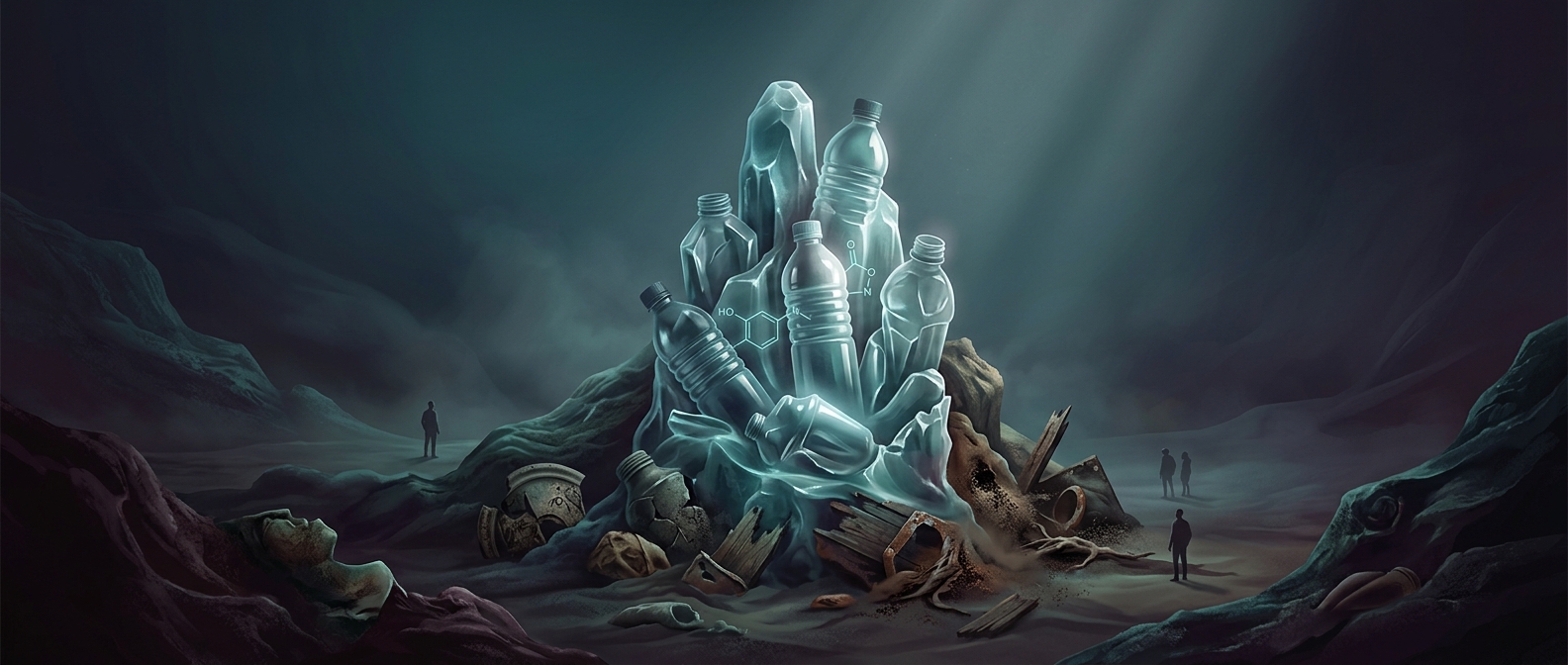
Polyethylene terephthalate, or PET, is built from long chains of repeating molecular units. Most decomposer microbes work by releasing enzymes—molecules that cut larger materials into smaller pieces they can absorb. PET’s tightly connected, relatively water-resistant structure makes it difficult for those enzymes to reach and split its chains.
That creates a bottleneck: unless the plastic is cut into usable fragments, microbes cannot readily treat it like food. The same durable structure that helps a bottle hold its shape and contents therefore slows its return to the natural recycling of organic matter.
Breaking the chain is only the first step
A few microbes and enzymes can act on PET, but the process is not the rapid, routine decay seen with leaves or food scraps. Enzymes must first attack the plastic’s surface; the resulting fragments then need to be broken down further before organisms can use them. A bottle’s smooth surface also limits how much material is exposed at once.
Heat, sunlight, or physical wear can make plastic brittle and cause it to fragment. But smaller pieces are not necessarily decomposed: fragments can remain in the environment, and tiny particles may be harder to collect. Fragmentation changes the plastic’s size, not automatically its chemical fate.
Durability shifts the burden to people
Because natural breakdown is slow and unreliable, PET waste is more effectively managed by collecting and reprocessing it than by waiting for it to disappear. Recycling can turn recovered plastic into material for new products, though collection and sorting determine whether a discarded bottle reaches that route.
A bottle’s persistence is thus a tradeoff built into its chemistry: resistance to ordinary biological attack is useful during its short life as packaging, but it means that after disposal, the material can outlast the moment it was made to serve.