Why a permit is only the first hurdle
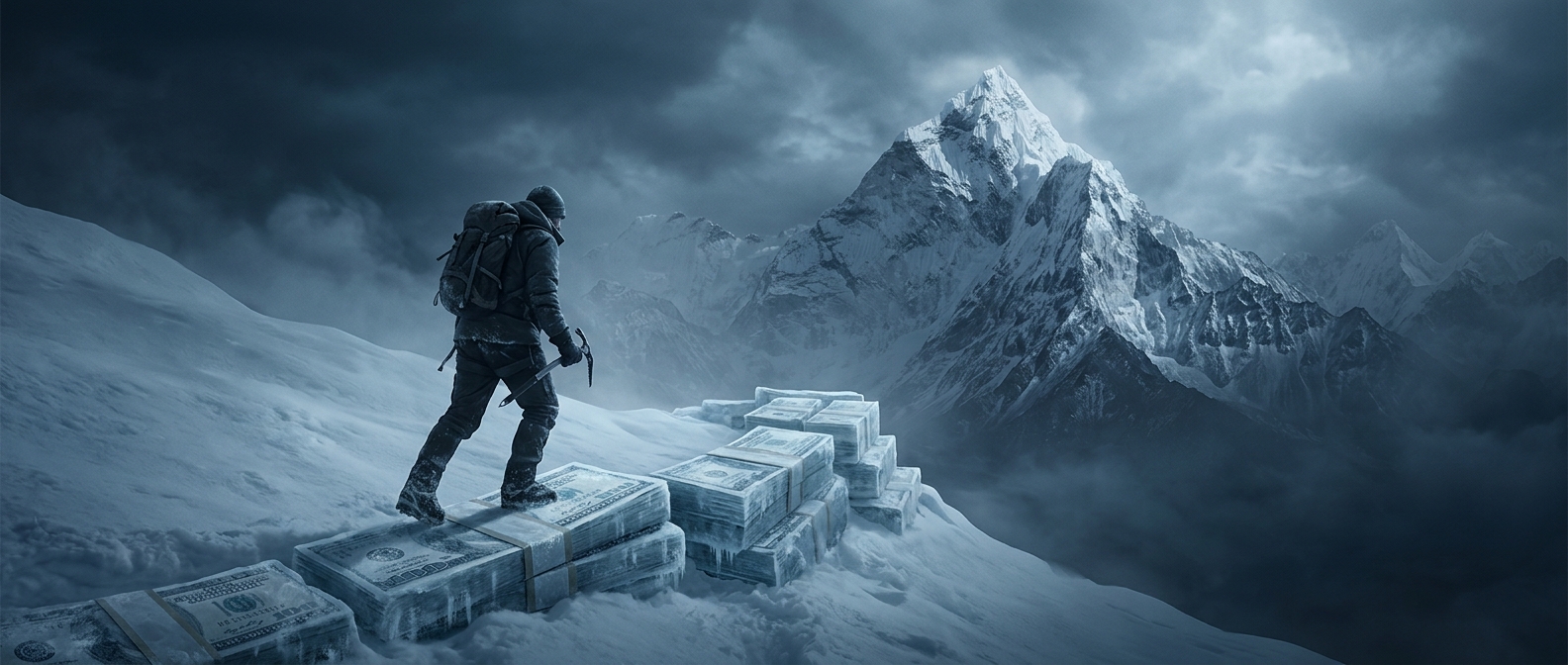
The permit buys legal access to Nepal’s side of Everest; it does not make the mountain ready to climb. A team still has to move people, food, fuel, oxygen, tents, and technical gear from the roadhead to a series of camps high on the mountain. Much of that work happens before climbers make a summit attempt, because supplies must be in place for the weeks of acclimatization and for the climb itself.
At altitude, ordinary delays become costly. Loads move slowly, weather can close the route, and climbers need time for their bodies to adjust to thinner air. An expedition’s price therefore reflects not just equipment but the work of organizing transport, camps, guides, and support across a remote, hazardous route.
How a summit line forms
Climbers generally wait for a suitable weather window before pushing toward the top. When many teams aim for the same narrow stretch of route at once, movement can bottleneck around difficult sections, including places where climbers rely on fixed ropes—ropes secured in advance to help people ascend or descend.
The most dangerous queues form high above the camps, in the so-called death zone, where the air contains too little oxygen for the body to function well for long. A climber stopped there is still using energy and oxygen while making little progress. That can leave less time and strength for the descent, which is why crowding is more than an inconvenience.
The striking tradeoff is that the climb’s biggest expense is paid partly to prepare for uncertainty, while the summit attempt itself may depend on a brief stretch of favorable conditions—and on how many other teams reach the route at the same time.