From self-effacement to return
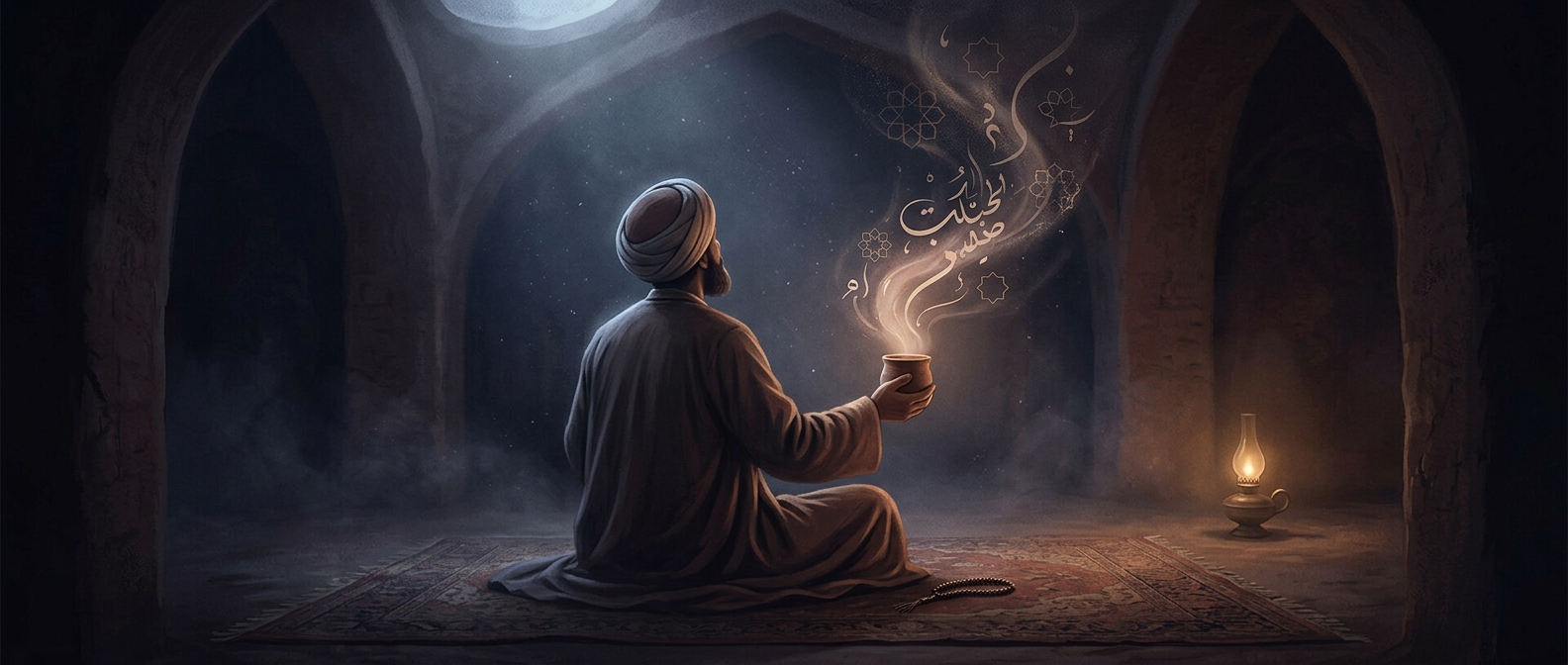
In Sufi writing, fanāʾ literally means “passing away” or “annihilation.” It describes the undoing of the ego’s claim to be independent and central—not the physical destruction of the person. In an intense experience of devotion, a mystic may feel ordinary self-consciousness fall away, leaving no sense of personal achievement or separation from God.
That experience is not the endpoint. Baqāʾ, or “subsistence,” names what follows: the person continues to live and act, but with a changed understanding of the self. Rather than treating the mystic as literally fused with God, many Sufi explanations describe a life sustained by God and no longer governed by self-interest. Interpretations differ among Sufi teachers and traditions.
Why the return matters
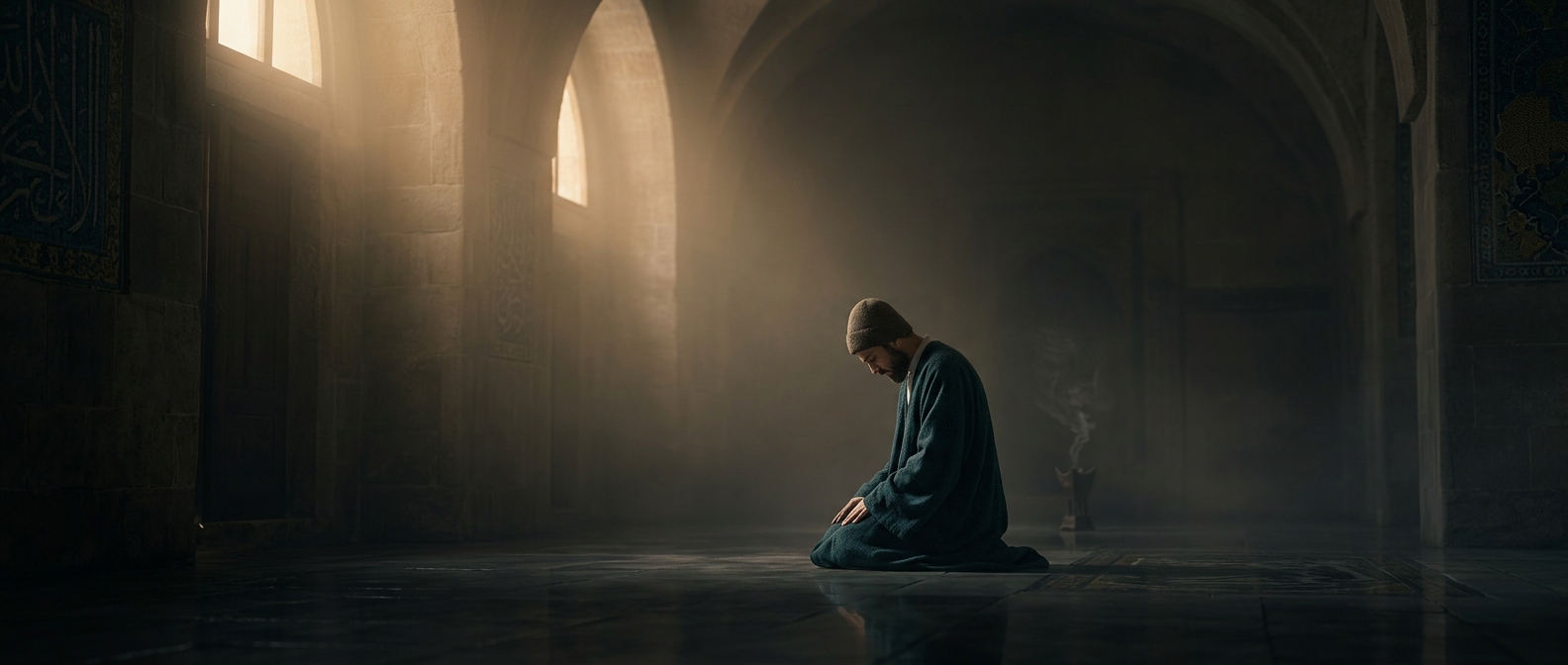
The movement from fanāʾ to baqāʾ makes mystical experience answerable to ordinary life. A moment of self-forgetting alone does not show that the ego’s habits have changed. The test is what happens afterward: whether a person can return to relationships and responsibilities without making spiritual experience another source of pride or special status.
That is why baqāʾ can be understood less as a lingering trance than as a durable way of living. The mystic comes back to the everyday world, but the self is no longer meant to occupy its old throne.