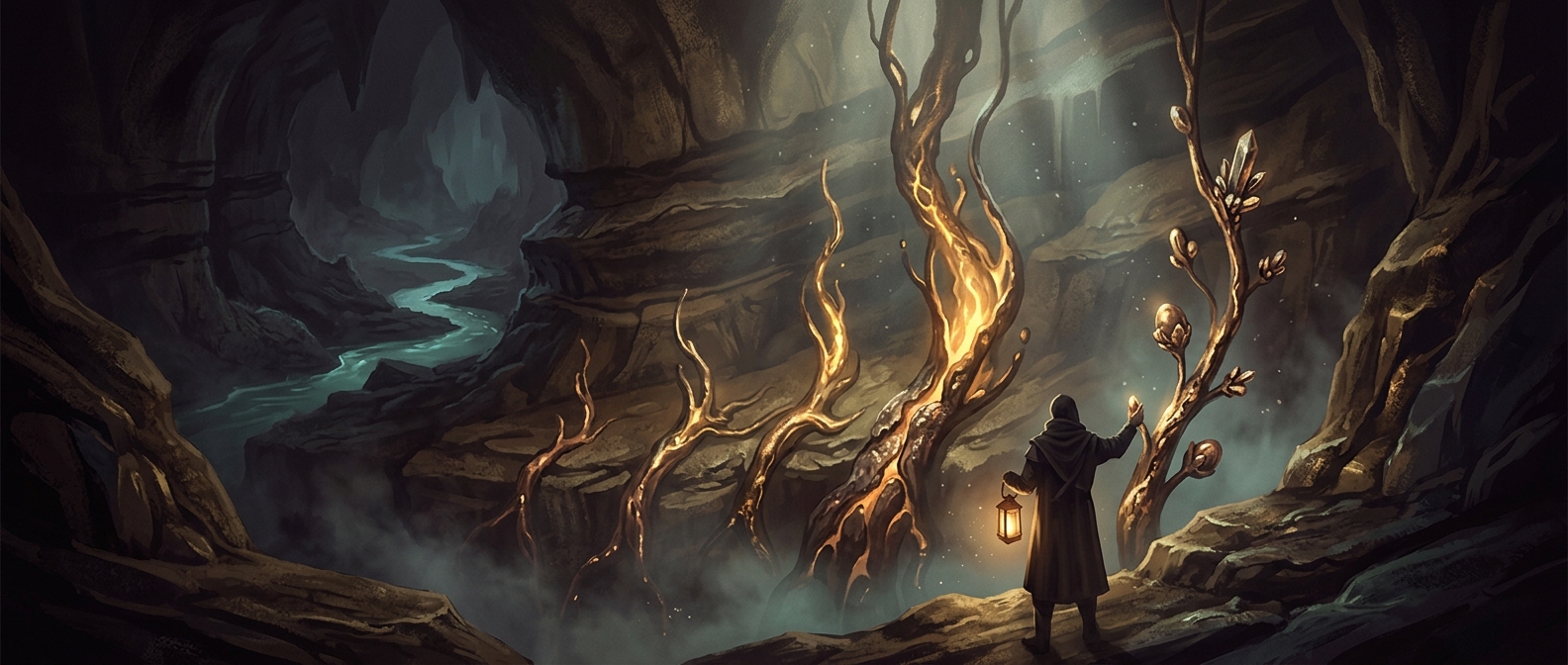
The Mine as a Kind of Underground Nursery
For some alchemists, a metal deposit was not a finished, inert lump. It was a stage in a long natural process: ores formed and changed inside the Earth, much as seeds developed into plants. In this picture, base metals such as lead or copper could be understood as less mature forms, while gold represented a perfected end point.
The idea drew on a broader view of nature as purposeful and transformative. Earth’s heat and hidden processes were thought to shape minerals over time, though alchemists differed in how they explained that change. The “seed” image made the claim vivid: a metal had an inner potential that could unfold, rather than being an entirely different substance from gold.
Why Alchemists Tried to Speed Up Nature
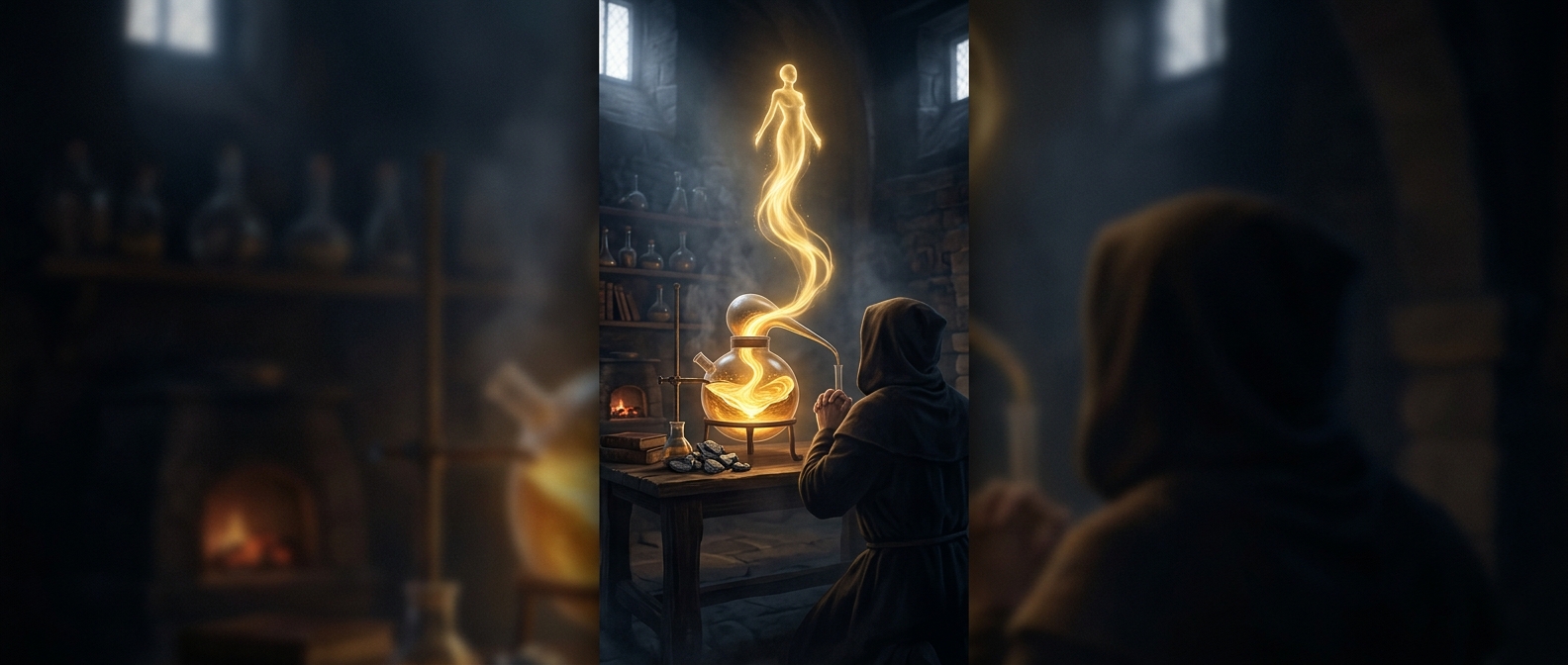
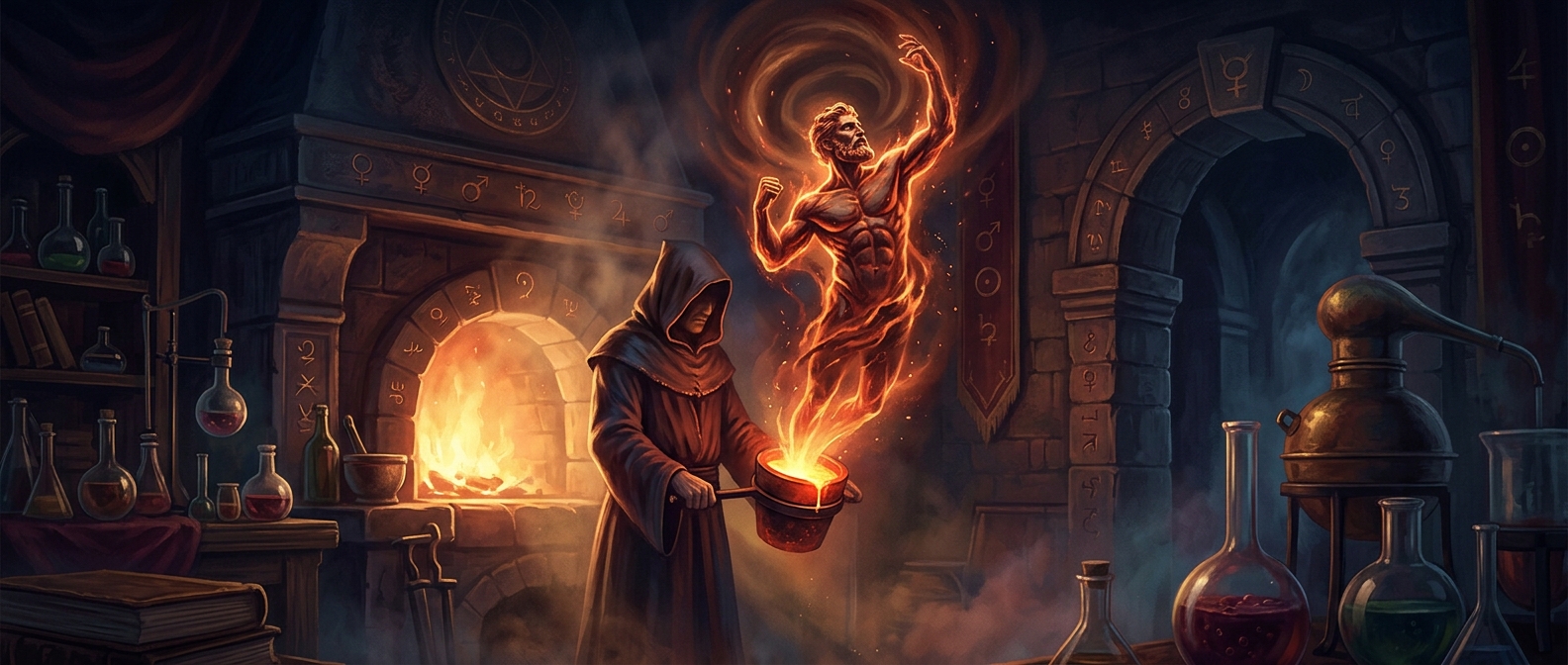
If metals were already moving toward perfection, alchemy could be imagined as helping that process along. An alchemist’s furnace became a small, controlled version of the Earth: heat and carefully handled materials were meant to encourage a transformation that might otherwise take ages underground. This was one reason experiments in transmutation seemed plausible within the framework, even when they failed to produce gold.
The belief also gave mining a different meaning. An ore body could be seen not just as a store of valuable material, but as nature’s work in progress. Gold was cast as the mature form of a process, not merely a rare substance dug from the ground. That image helped connect alchemical laboratory work to the slow, hidden changes people imagined taking place beneath their feet.