The appeal of watching at train speed
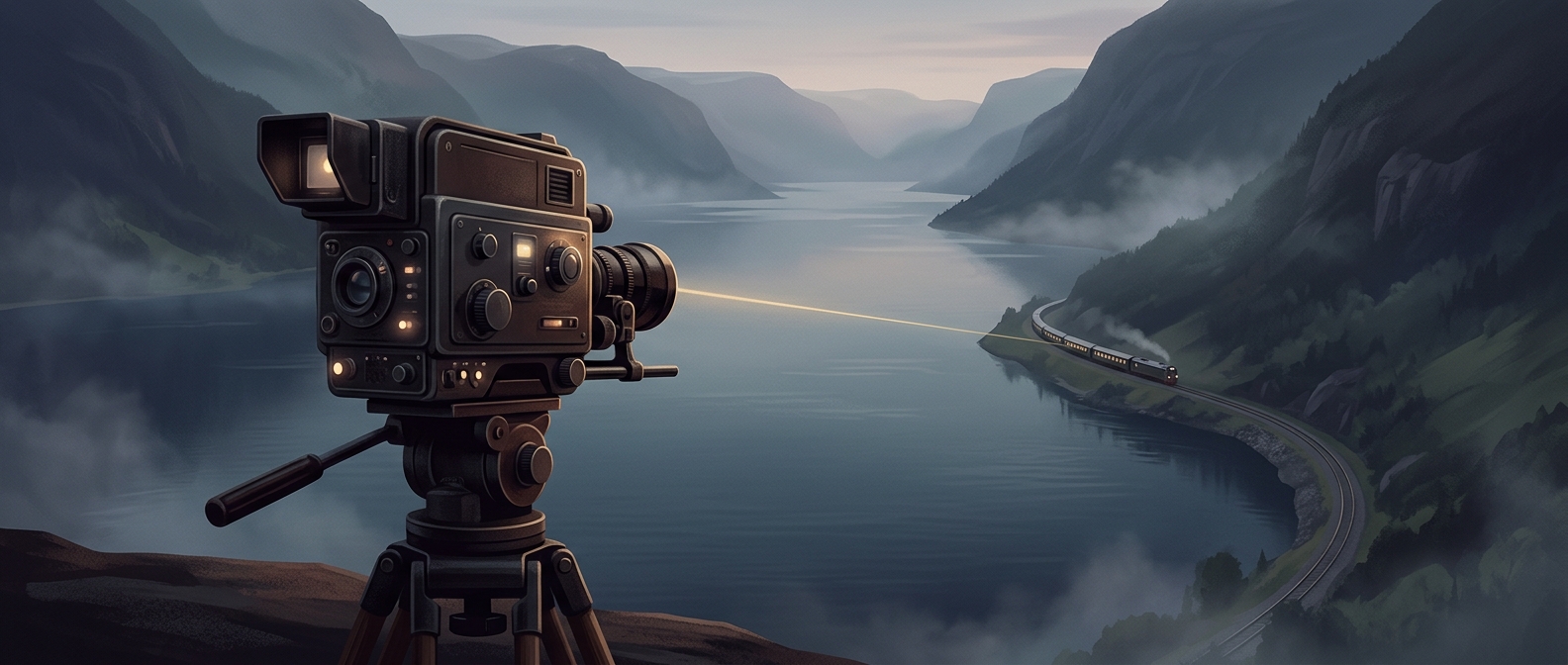
A seven-hour train broadcast asks viewers to trade plot for pace. Instead of cutting from one event to the next, it lets the journey unfold in real time: scenery passes, the train keeps moving, and little changes from moment to moment. Snow makes that gradual movement especially legible. Dark tracks and passing shapes stand out against a pale landscape, while the view keeps shifting without demanding close attention.
A window you can leave on
The format can work as both a program and a kind of company. Viewers can settle in and follow the route, or glance back at the screen while doing something else. Because the broadcast does not rush toward a dramatic payoff, missing a few minutes does not mean losing the story. The pleasure is in continuity—the sense of traveling somewhere without having to plan, drive, or even stay focused.
That unhurried quality also changes what counts as interesting. In a conventional travel program, scenery is often compressed into highlights. Here, the long stretches between them are the point: a passing stand of trees or a slow change in the view can hold attention precisely because nothing is forcing it to become a spectacle. The train’s steady motion supplies just enough change to keep the landscape from feeling like a still image.
Time becomes part of the experience
Seven uninterrupted hours is not merely a long runtime; it preserves the scale of a journey rather than reducing it to a summary. Viewers can dip in and out, but the broadcast remains available as one continuous passage. Its quiet appeal lies in that unusual bargain: the journey moves forward, while the viewer is free to slow down.