The shell saves energy only when the ride is fast enough
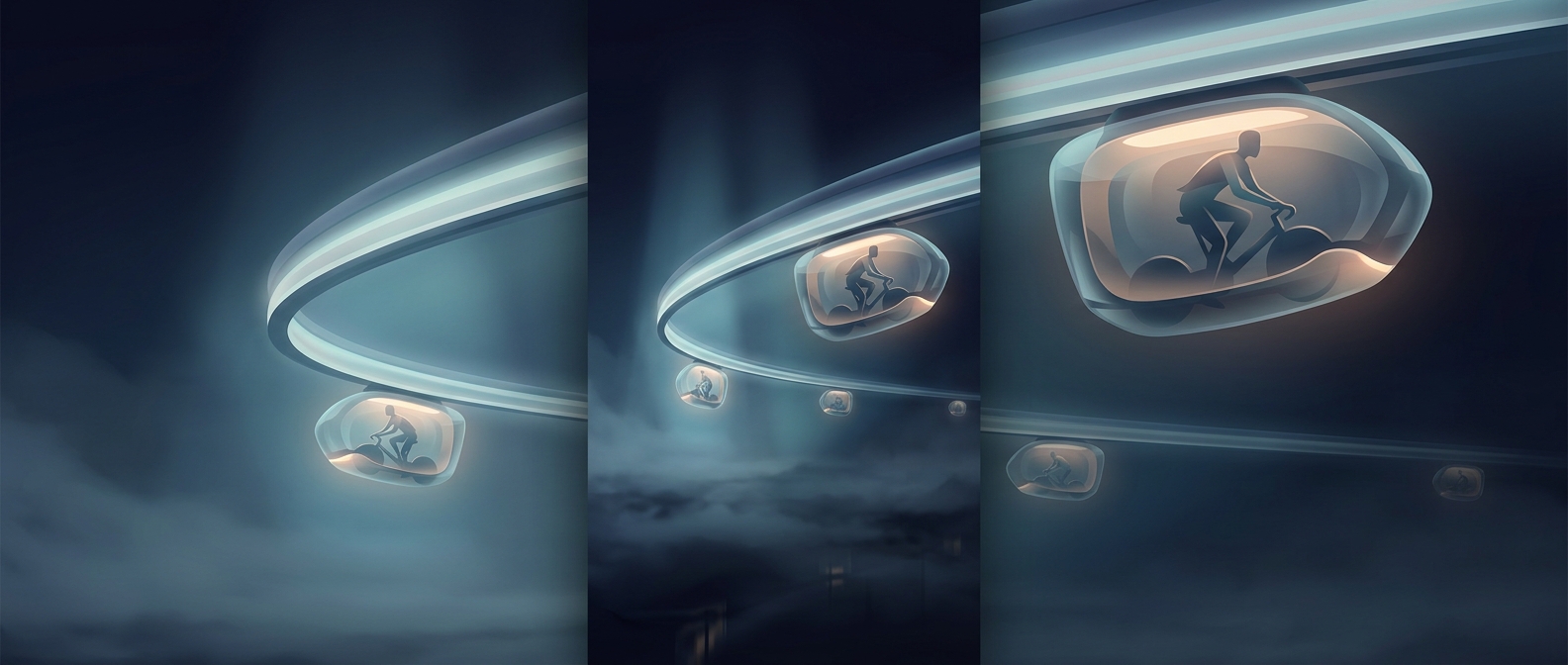
A cyclist spends much of their effort pushing air out of the way. At higher speeds, that aerodynamic resistance rises sharply, so a smooth enclosure around a low, reclined rider can make a meaningful difference: less of each pedal stroke is spent fighting the wind. The same principle helps explain why enclosed pedal-powered vehicles can be quick on flat roads without an engine.
But the shell is not free speed. It adds mass, which the rider must accelerate and haul uphill, and it can make a vehicle bulkier to store and maneuver. The aerodynamic gain matters most in conditions where wind drag dominates; on slow, stop-and-go trips or steep routes, the extra weight and awkwardness can count for more.
A faster shape can be a harder vehicle to share
The enclosure also changes the rider’s relationship with traffic. A low profile can be harder for drivers to spot, particularly when a vehicle is partly hidden behind cars or roadside obstacles. The shell may restrict a rider’s view or make it harder for others to see the rider’s signals, depending on its design. Those are practical concerns on ordinary streets, where being visible and communicating clearly can matter more than saving energy.
There is a tradeoff in comfort, too. A pod can shelter its occupant from wind and rain, but an enclosed space can trap warmth and make getting in, getting out, or making a quick repair less convenient. Different designs handle these problems differently; none makes the shell’s benefits automatic.
The tradeoff favors specialized rides
That helps explain why these vehicles remain unusual rather than becoming a routine replacement for bicycles. Their strongest advantage appears on relatively fast, open rides, while everyday cycling often involves intersections, parking, carrying the bike, and sharing crowded roads. The pod can make pedaling more efficient without making the whole trip easier.