How spinning wheels could keep a train upright
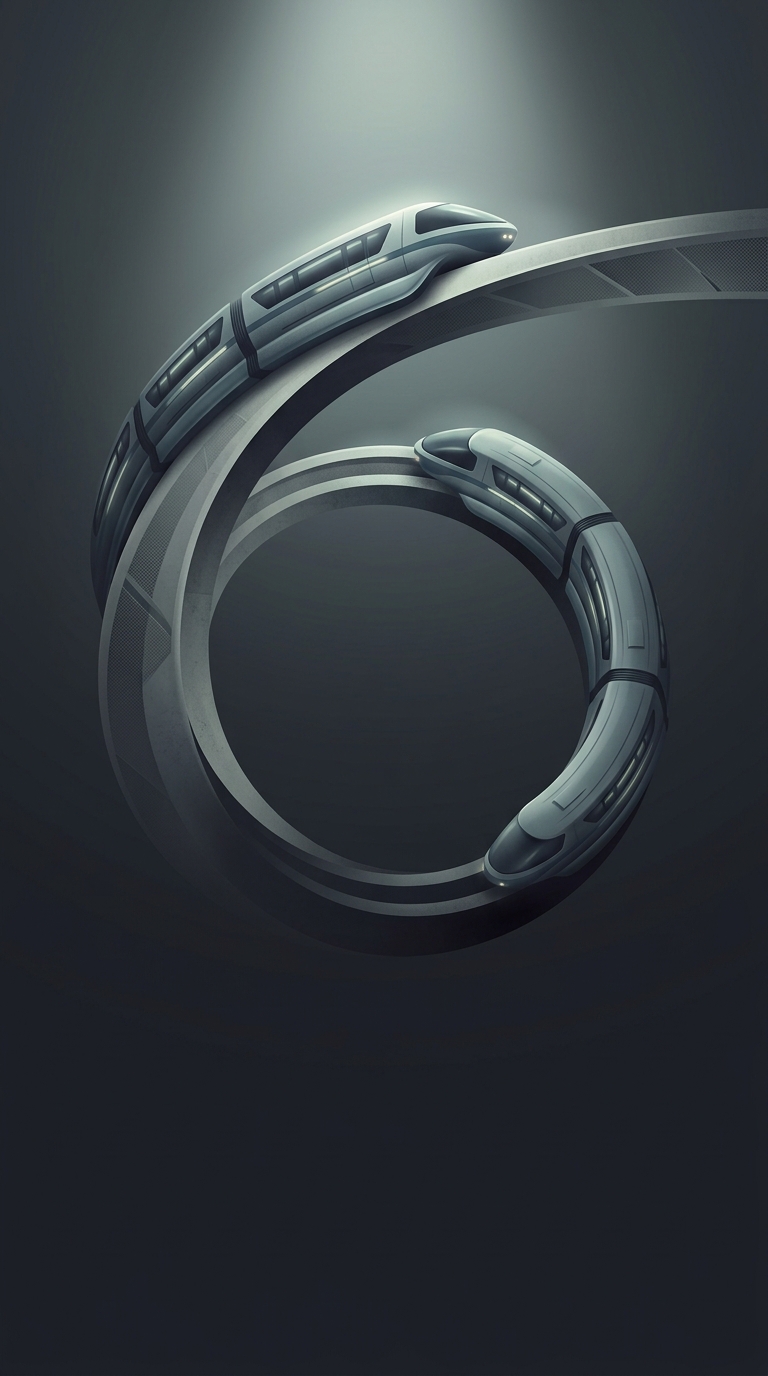
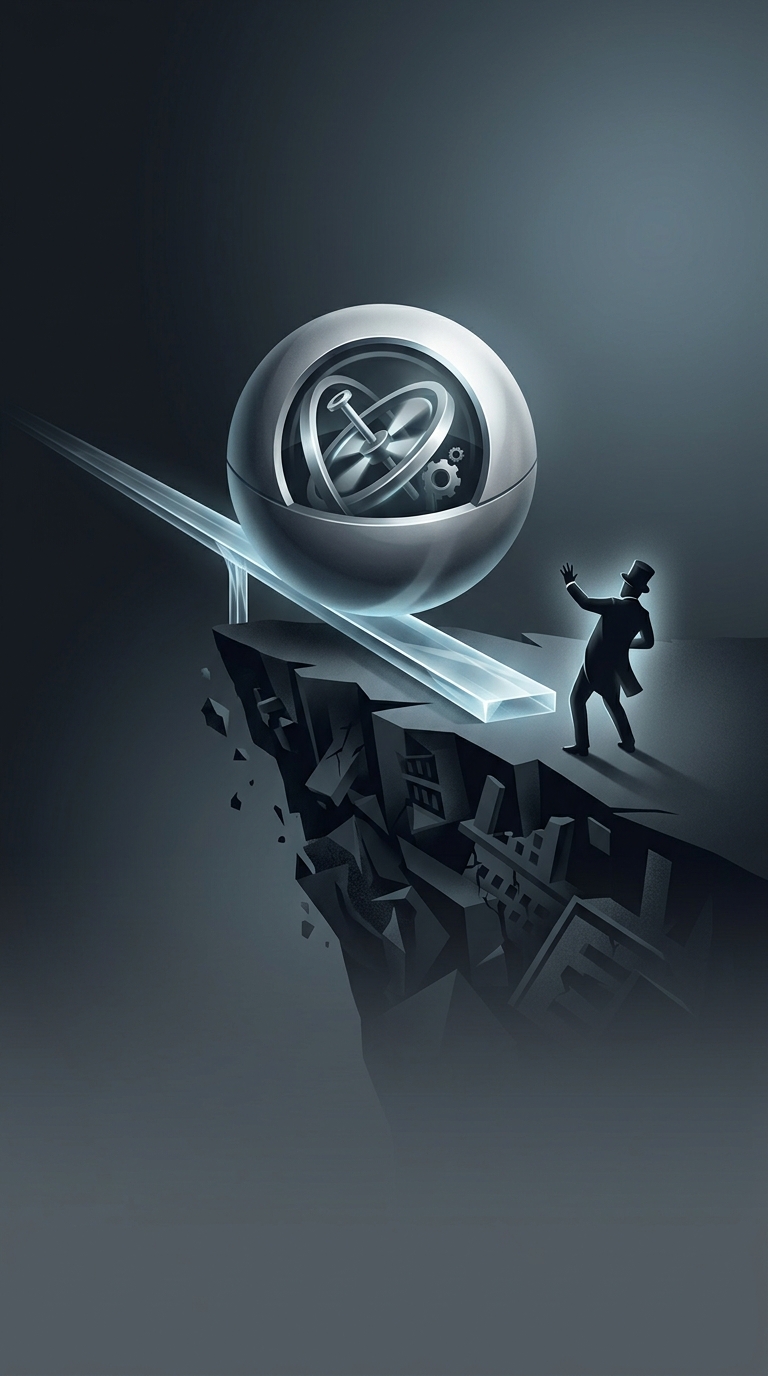
A conventional train stays upright because its wheels and the track spread support across two rails. Brennan’s monorail had only one, leaving the vehicle vulnerable to tipping sideways. Its answer was a pair of fast-spinning gyroscopes—heavy rotors whose angular momentum makes their direction of rotation resist being changed.
That resistance alone is not a magic balancing force. The gyroscopes were mounted so that, when the vehicle began to lean, their motion could produce a turning force that helped bring it back upright. In effect, the train carried a mechanical stabilizer that responded to the very tilt a second rail would normally help prevent.
The trade: less track, more machinery
The gyroscopes did not propel the vehicle or replace the rail. The rail still carried and guided it; the spinning rotors supplied the missing side-to-side stability. That distinction matters: the design shifted part of the support problem from track infrastructure into machinery aboard the train.
A single rail could mean a narrower route, but the vehicle had to keep its stabilizing system working. The engineering challenge was therefore not simply making a wheel spin quickly. It was arranging the spinning masses so that a sideways lean produced a useful correction rather than a new wobble. Brennan’s striking idea was to make balance something the vehicle actively carried with it—an invisible second rail made of motion.