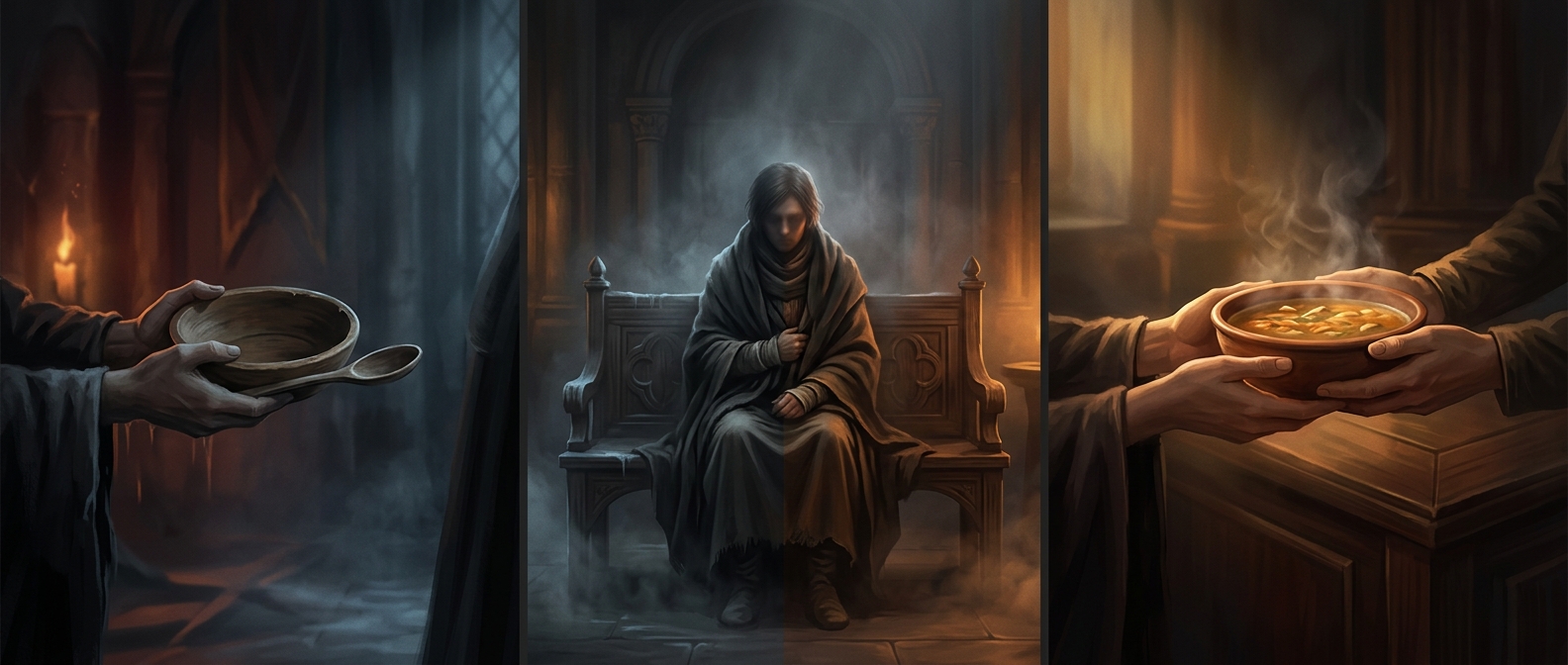
Why fever doesn’t call for fasting
The saying rests on a misleading idea: that digesting food steals effort from the body’s defense against infection. In reality, the immune system does not switch off when you eat. It uses energy and nutrients to make signaling molecules and immune cells, while the body keeps blood sugar available for tissues by drawing on stored fuel when needed.
A fever can raise the body’s energy use, rather than making food irrelevant. That does not mean you must force yourself through a full meal while sick. Appetite often drops during illness, and a short spell of eating less is different from deliberately withholding food as treatment.
Choose what you can manage
Small, easy-to-eat portions may be more appealing than a large meal. Fluids matter too: fever, sweating, and faster breathing can increase fluid loss. Drinking regularly helps replace it; food and drink do not directly eliminate the infection, but they support the body while it responds.
The practical rule is simple: let appetite guide how much you eat, and keep drinking. A fever is a reason to care for yourself—not to turn eating into another test of endurance.