A warning system with a hard stop
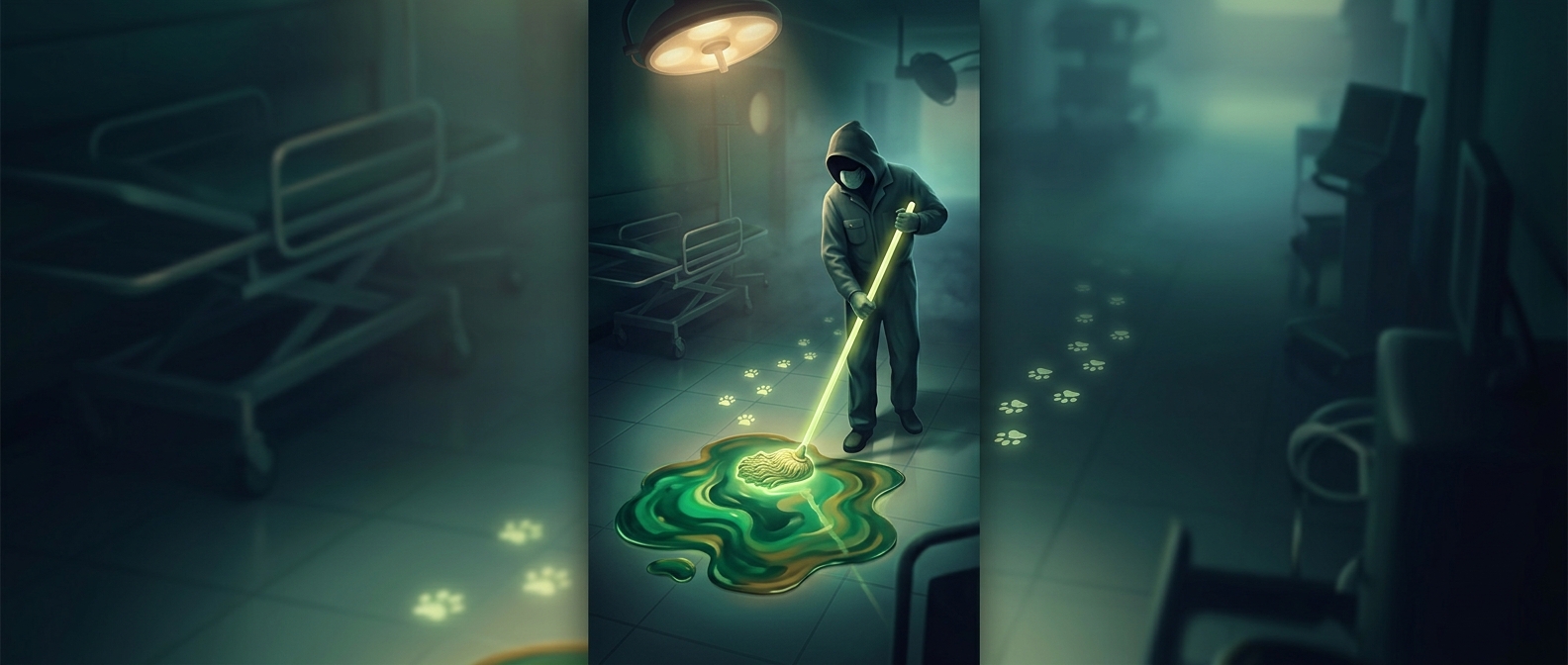
In The Sims, a baby’s care is built into the same needs-and-consequences loop that governs the rest of the household. If the baby’s needs—especially hunger—go unmet, the game does not simply let the problem fade into the background. It brings in a social worker, who removes the child from the home.
That turns a quiet failure of routine into a visible event. The carrier makes the consequence unmistakable: the baby has not died or wandered off; the household has lost custody. For the player, the loss is permanent within that family’s story.
Why make neglect a separate consequence?
The game already signals trouble through a Sim’s changing needs and behavior, but a baby cannot act independently to fix its situation. Removal gives neglect a distinct consequence instead of treating the infant like another adult Sim who can eventually take care of themself. It also creates a sharp limit on experimentation: players can ignore many problems and watch them play out, but this one can end with a character leaving the household for good.
The result is more than a dramatic interruption. It makes the player’s ordinary choices—whether to check on the baby, prepare for its needs, or let other tasks take priority—carry lasting weight. A small household-management mistake can become the moment a family’s story changes.