A story changes when the viewer has to steer it
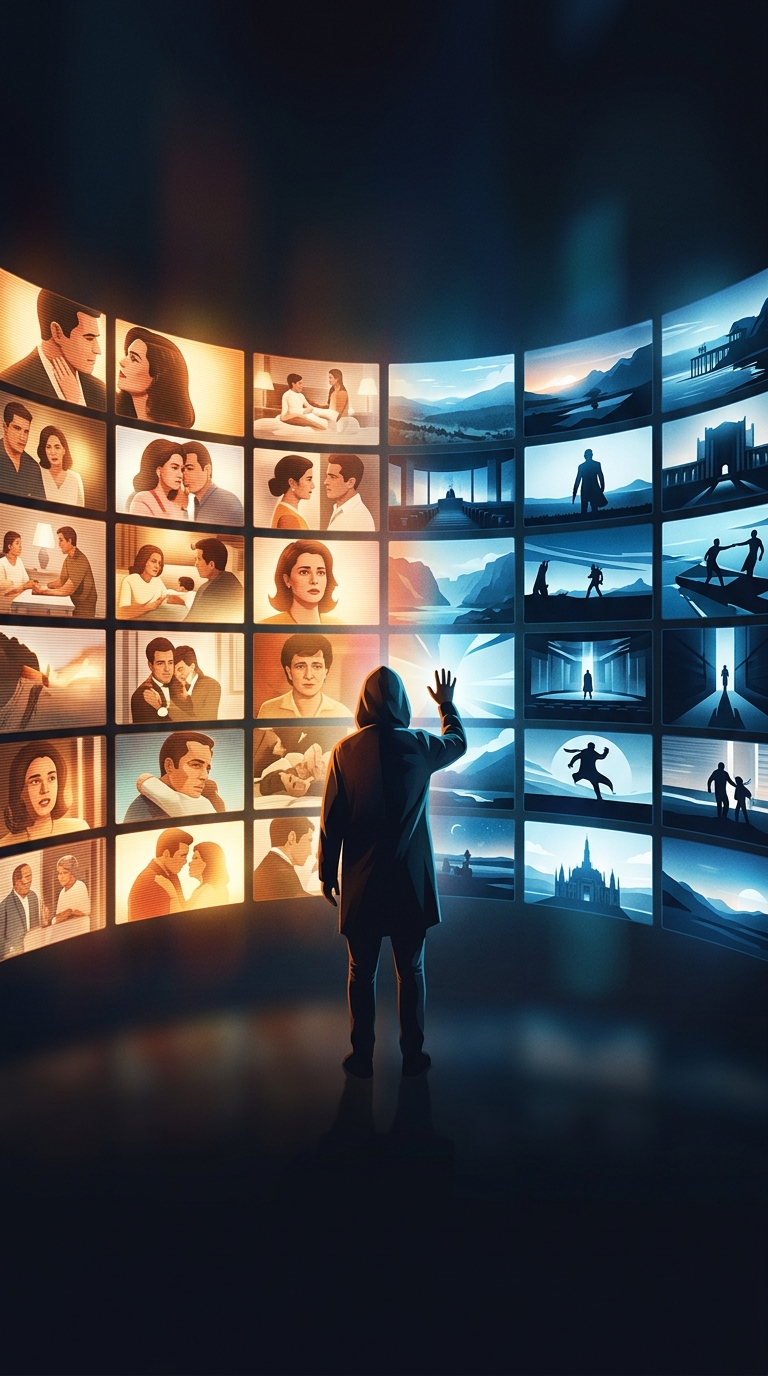
Choose-your-own-adventure television asks viewers to make decisions at set points, usually with a remote or on-screen prompt. That turns watching into a small task: pause, weigh options, choose, then wait for the story to resume. Even a brief interruption can break suspense or pull attention away from a scene.
The appeal of conventional television is partly its momentum. A director controls when information arrives, how long a reaction lasts, and when a scene cuts. In an interactive story, viewers can redirect that sequence—or discover that their choice leads to only a slightly different version of events. If the decision feels inconsequential, the prompt is friction without much payoff.
More choices mean more story to build
A branching episode also creates production work. Each meaningful choice may require alternate scenes, performances, editing, and continuity checks. Writers must make those paths feel coherent while still bringing the story back together; otherwise, the number of possible versions can grow quickly.
Games often make that effort feel worthwhile because players expect to act and see consequences. Television viewers may instead want to settle in and follow a tightly paced story. The format can serve an audience seeking agency, but it asks studios to spend more time and money while asking viewers to do more than watch. When the choices don’t deepen the drama, the remote is less a doorway into the story than an interruption of it.