A gesture made in the middle of a rupture
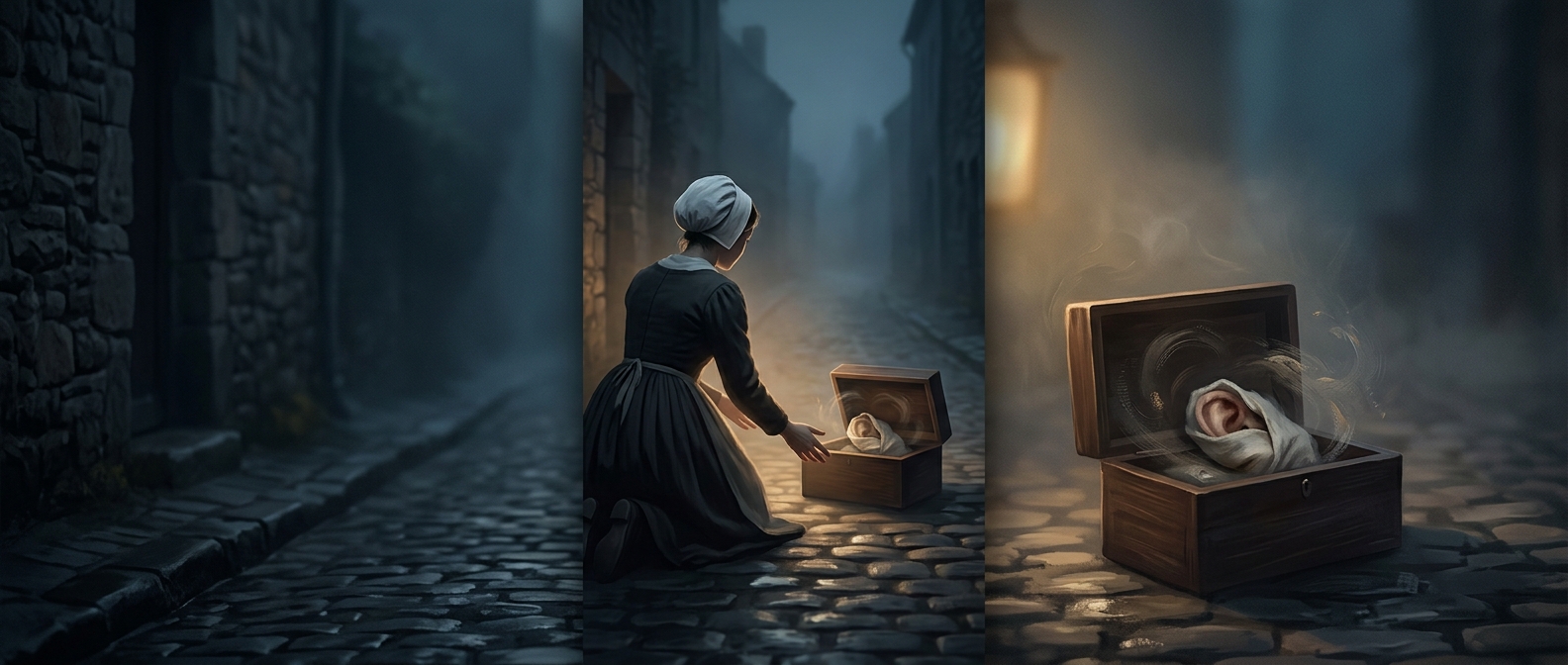
In December 1888, Vincent van Gogh and fellow painter Paul Gauguin were living and working together in Arles, in southern France. Their partnership had become tense, and Gauguin was preparing to leave. After an argument, Van Gogh injured himself, cutting off part of his left ear. He then took the severed piece to a nearby brothel and handed it to a worker there.
The sequence is more certain than the meaning. Accounts differ in their details, and the surviving evidence does not establish what Van Gogh intended the recipient to understand. The often-repeated story is not proof of a romantic gesture or a carefully planned message.
Why the gesture remains hard to explain
Van Gogh’s act happened during a severe personal crisis, but a crisis does not make a person’s motives transparent. The injury, the trip to the brothel, and the handoff form a striking chain of events; none, by itself, tells us whether he meant to express attachment, distress, shame, or something else. Assigning one tidy motive would turn an unresolved episode into a certainty the record cannot support.
The brothel setting has helped the story travel, while the recipient’s identity and the exact circumstances have been reported inconsistently. Even the familiar phrase “gave his ear” can make the act sound more deliberate and symbolic than the evidence allows: Van Gogh gave a piece of his ear, not the whole ear, and the gesture’s purpose remains unknown.
The consequence was immediate and lasting
Van Gogh was found injured and taken for medical care. The episode also became inseparable from the public image of his life, often retold as a dramatic emblem of artistic suffering. But its most revealing detail may be its limit: we know what he did next, yet cannot securely say what he meant. That gap is why the story endures—and why a confident explanation would go too far.