Why 48 frames per second felt so different
Most feature films are shot and shown at 24 frames per second. Each frame is a still image, and the gaps between them create the familiar cinematic blend of motion blur and slight judder. The Hobbit was made at 48 frames per second, giving the image twice as many motion samples. Fast movement looked smoother, and details stayed clearer as the camera or actors moved.
That extra clarity changed more than the appearance of action. Viewers were used to film’s softer, slightly blurred motion as part of the moviegoing look. At 48 frames per second, movement could feel unusually immediate—as if the audience were watching events unfold rather than seeing them shaped by a camera.
When smooth motion becomes unsettling
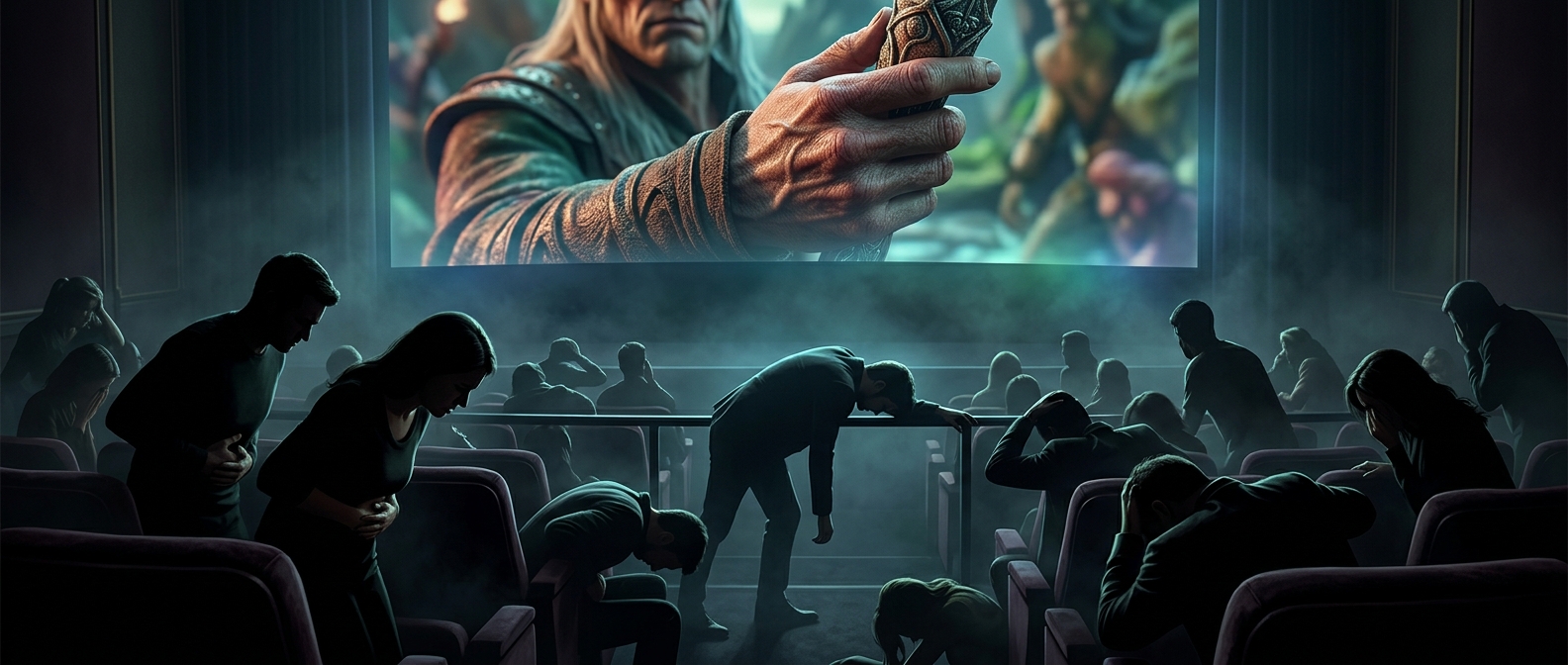
The smoother image was intended to make the fantasy world feel more vivid and immersive, especially during movement. But a perceptual change that helps one viewer follow action can make another feel off balance. Some audience members reported nausea; the stronger sense of continuous motion may have contributed, though reactions varied.
The extra sharpness also revealed details that film’s customary blur can soften: costumes, makeup, sets, and the mechanics of performance. Instead of adding realism for everyone, the image could make a carefully constructed scene feel conspicuously staged. That was behind the “soap opera” comparison: television productions often looked sharper and more continuously smooth than the film style audiences expected in a theater.
A technical upgrade with an aesthetic cost
Higher frame rates did what they promised mechanically: they made motion clearer and smoother. But film style is not just a measure of detail. The familiar limitations of 24 frames per second help create distance between a staged image and ordinary life. By removing some of that blur, The Hobbit made its fantasy more legible—and, for some viewers, less magical.