How underwater music turns time into a threat
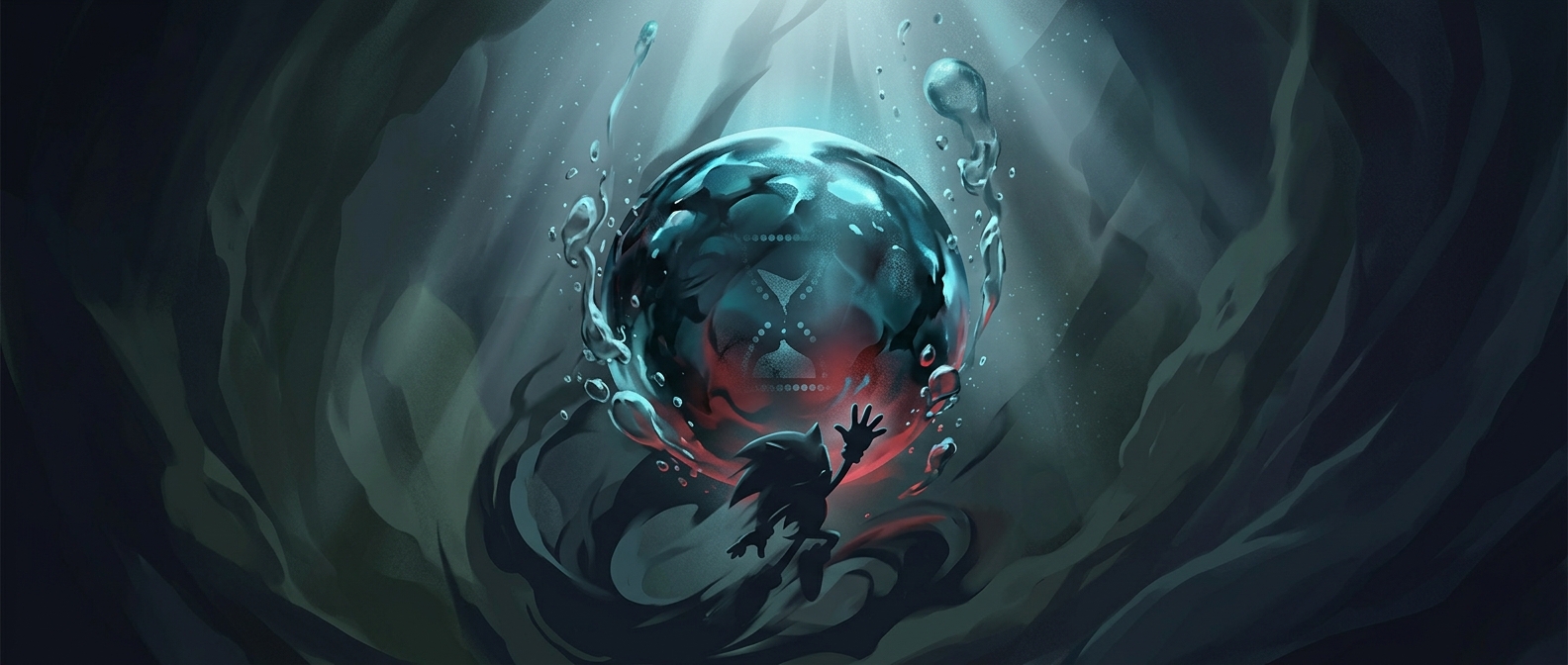
Drowning music is frightening because it makes an invisible limit feel immediate. A player may know an air supply is shrinking, but a steady musical cue can make that countdown feel as though it is closing in: a pulse repeats, tones tighten, or the sound grows more insistent. These are design tools, not rules every game follows. Their purpose is to make waiting feel less safe than moving.
The cue works alongside the player’s changing options. Underwater movement may be slower, visibility may be poor, and the route back to air may be hard to judge. As those uncertainties accumulate, urgent sound gives the player a clear emotional signal even when the screen offers no easy answer: get out now.
Why the sound can feel suffocating
Audio can also suggest that the character is cut off from the world above. A game may muffle ordinary sounds or let them recede, leaving the air warning or music more prominent. That narrowed soundscape makes the underwater space feel isolated; the player is not just low on a resource but separated from safety.
The design tension is deliberate. If the warning is too subtle, players may miss the danger; if it is too loud or constant, it can become irritating rather than frightening. A well-timed cue lets the player understand the risk before the last moment, while the shrinking margin still makes each choice feel urgent. The music is frightening because it turns limited air into a pressure the player can hear.