An ancient tree in a harsh landscape
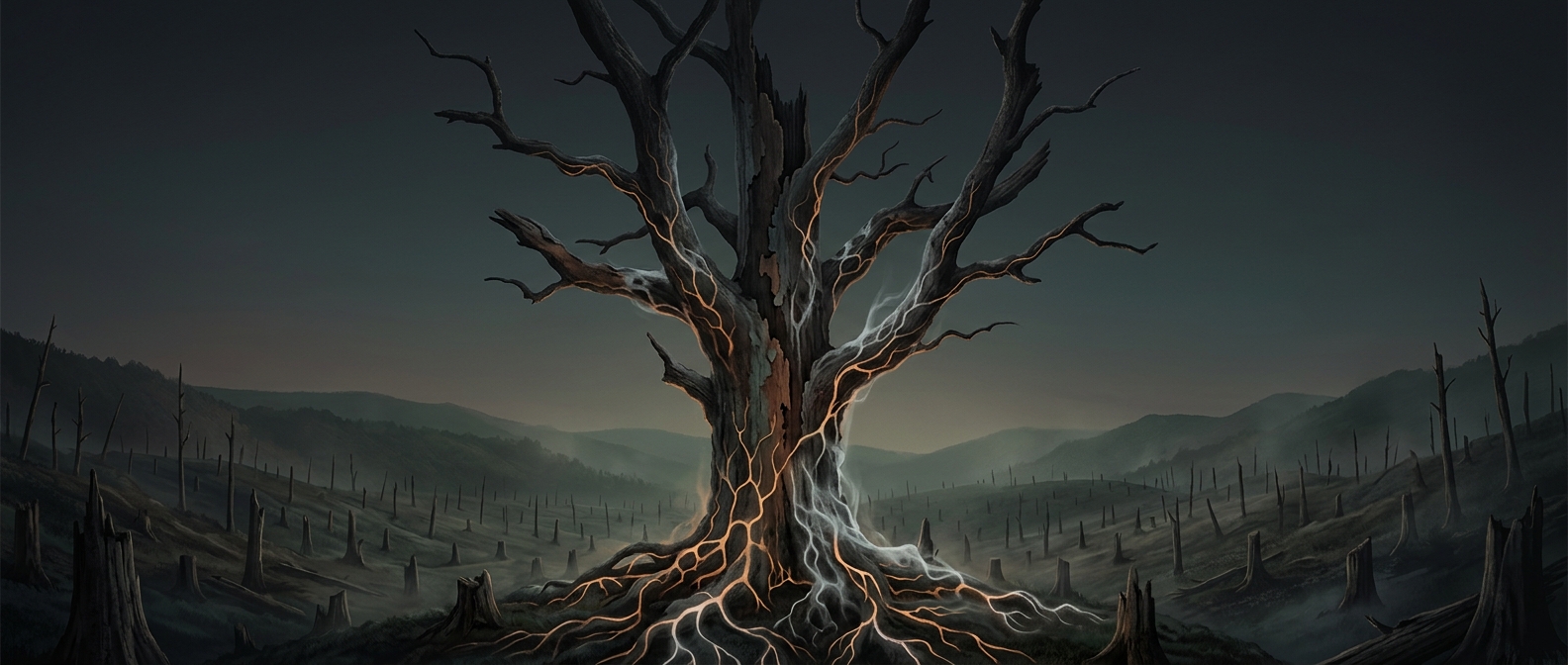
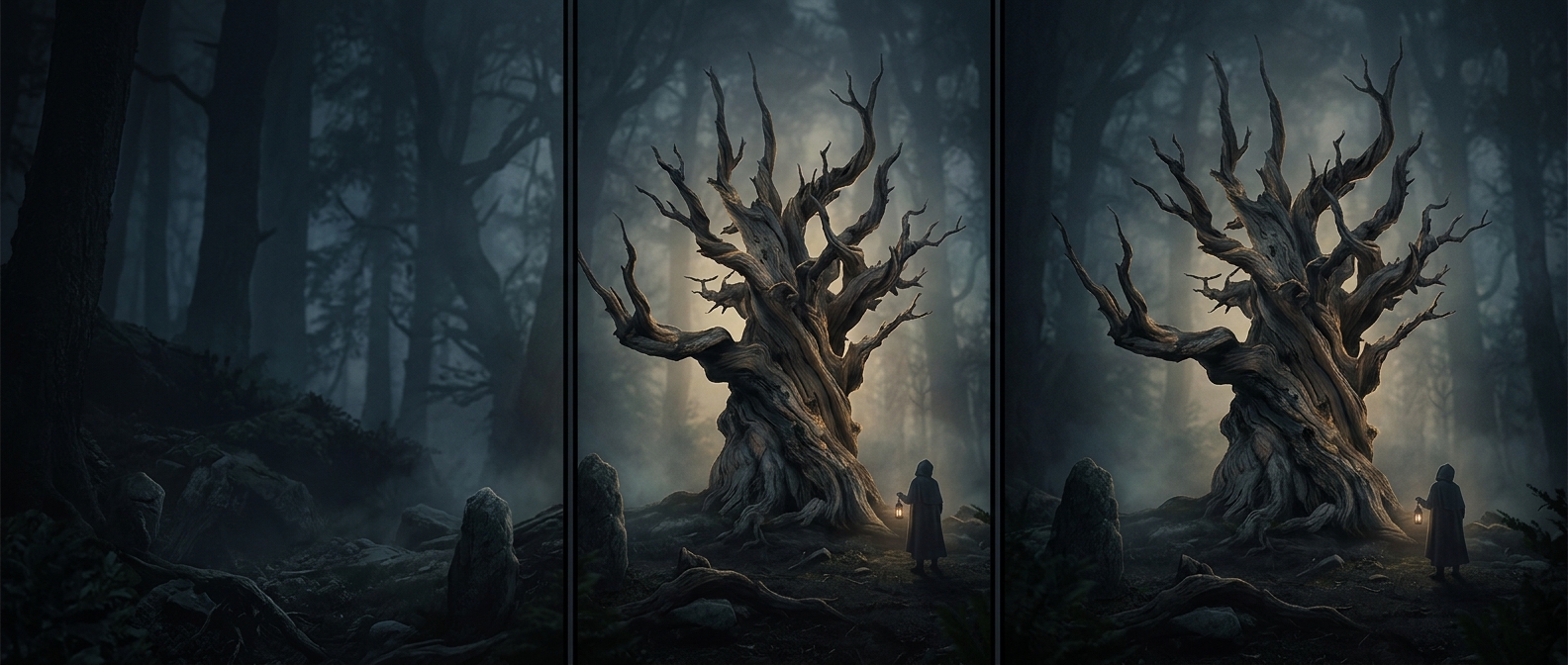
Methuselah is a Great Basin bristlecone pine in California’s White Mountains, a range where cold, dry conditions and thin soil make life difficult for trees. Bristlecones grow slowly, and their twisted trunks can preserve living strips of wood long after much of the trunk has died. Scientists establish a tree’s age by counting its annual growth rings, including rings in wood samples—work that does not require turning the tree into a public attraction.
That slow growth also shapes the risk of a visit. At high elevations, fragile ground and vegetation can take a long time to recover from repeated trampling. A visitor who steps off a path or handles a tree may cause harm that is small in the moment but persistent in a place where growth is measured in years, not seasons.
Protecting the tree without making it a spectacle
Forest officials keep Methuselah’s precise position private, while allowing people to learn about bristlecone pines in the surrounding area. The distinction matters: visitors can encounter the ancient forest without being directed to one particular trunk. Concentrating attention on a single tree could turn curiosity into a steady stream of footsteps and close-up encounters.
The secrecy also reflects a practical limit of conservation: rules and signs cannot protect a vulnerable site if they make it easy to find and crowd. Methuselah’s story is therefore shared more readily than its coordinates. Its location is withheld so that the tree can remain part of a living forest, rather than a destination defined by getting close enough to touch it.