How the blight cut off the tree’s lifeline
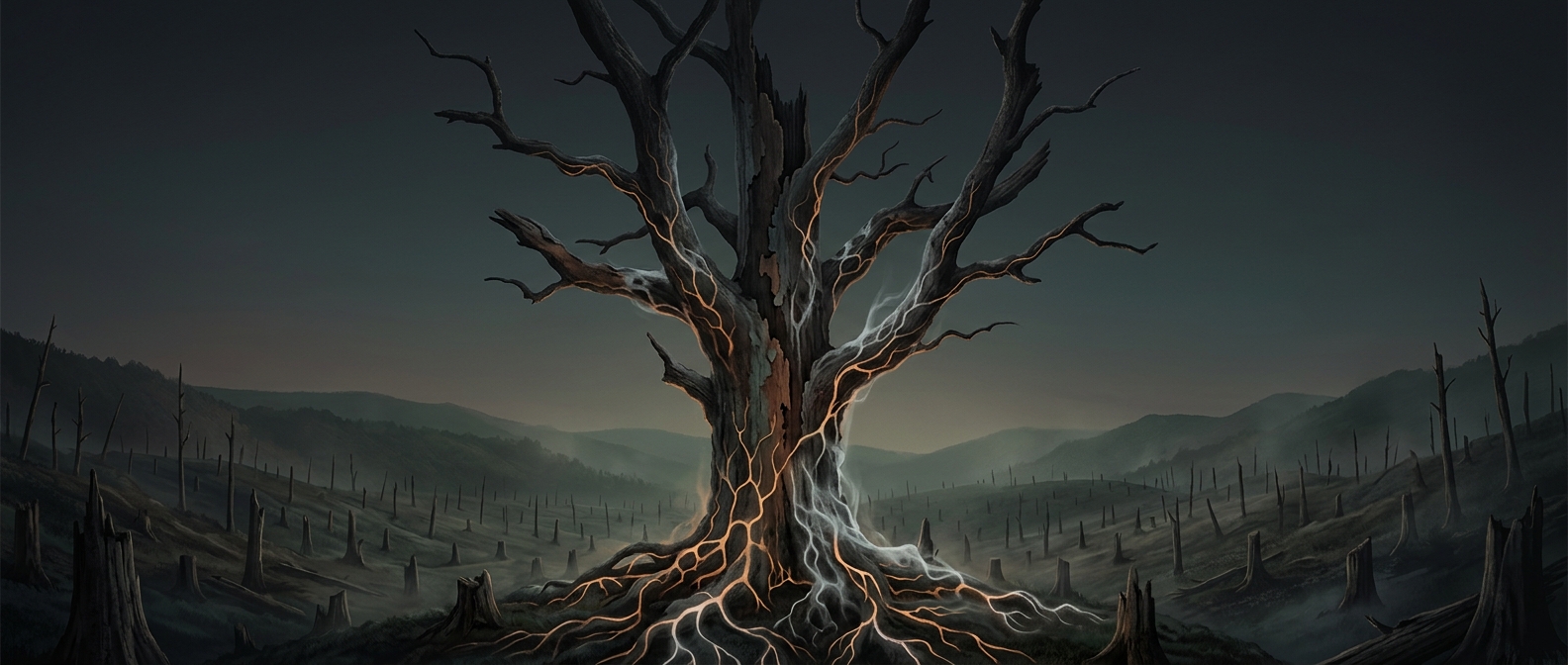
The fungus responsible, Cryphonectria parasitica, enters chestnut bark through wounds and creates sunken patches called cankers. As a canker grows around a trunk or branch, it can interrupt the thin layer of living tissue that carries sugars from leaves to the rest of the tree. Once that route is severed, everything above the damaged area dies.
The fungus likely reached the United States on imported Asian chestnut trees. Chestnut species from its native range had defenses that limited the damage; the American chestnut had not evolved alongside the pathogen and proved highly vulnerable. Spores could travel on wind, rain, animals, and contaminated wood, helping the disease move through connected forests.
Why the trees did not simply grow back
A blighted chestnut often sent up new shoots from its surviving roots. But those shoots could be infected and killed before they grew into mature trees, so the species remained present while the towering forest canopy disappeared. The roots’ persistence made recovery seem possible, yet repeated infection kept most new growth small.
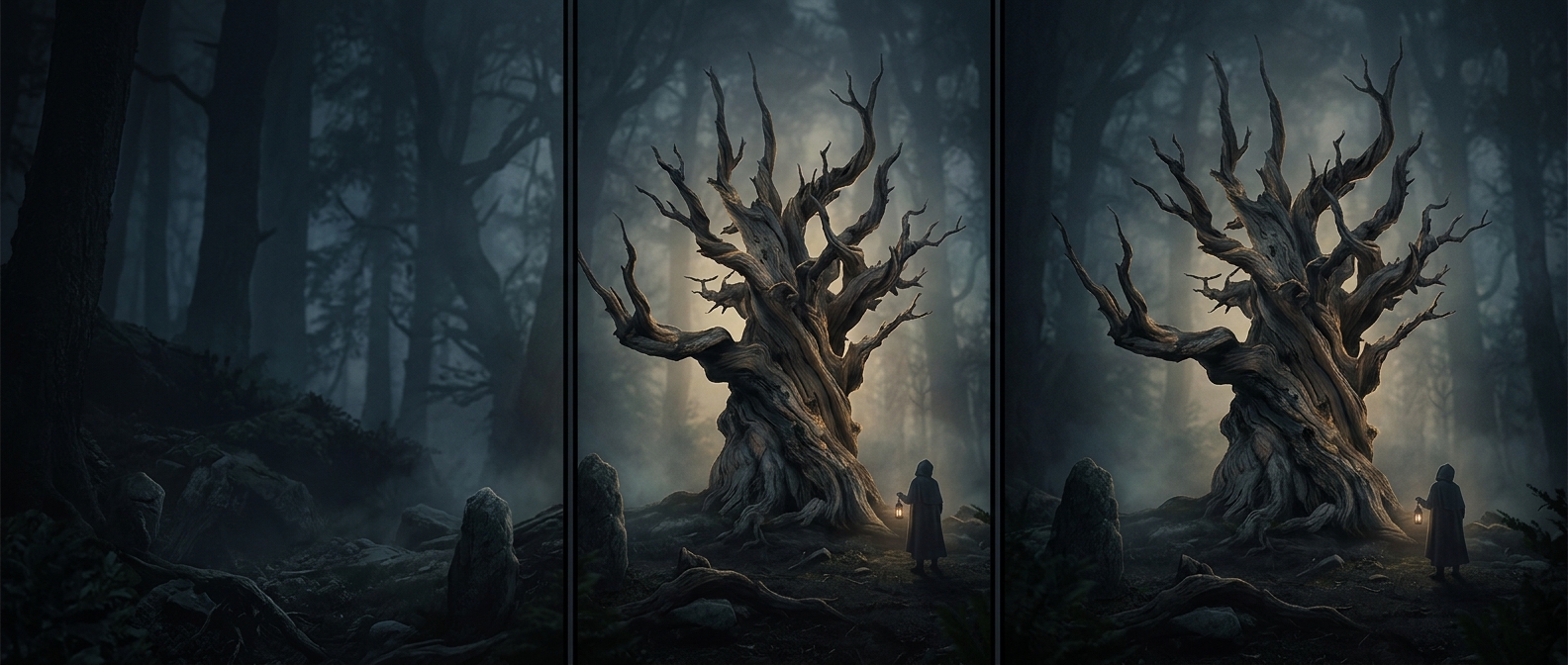
That change mattered beyond the loss of a valuable timber tree. Mature chestnuts had supplied abundant nuts, and their high, broad crowns helped shape the light and structure of eastern forests. When the canopy vanished, the forest’s composition and the food available to wildlife shifted as other trees took its place. The blight did not clear the forest in one sweep; it converted a landscape of mature chestnuts into one where the species survived mainly as shoots that rarely reached the light.