Why a door handle can send you the wrong way
A handle is more than something to grip: it is a cue about what action the door permits. A bar that sticks out from the surface is easy to wrap a hand around and pull. A flat plate, by contrast, offers little to grab and is easier to press. Designers can use those shapes to make the intended action legible before anyone reads a sign.
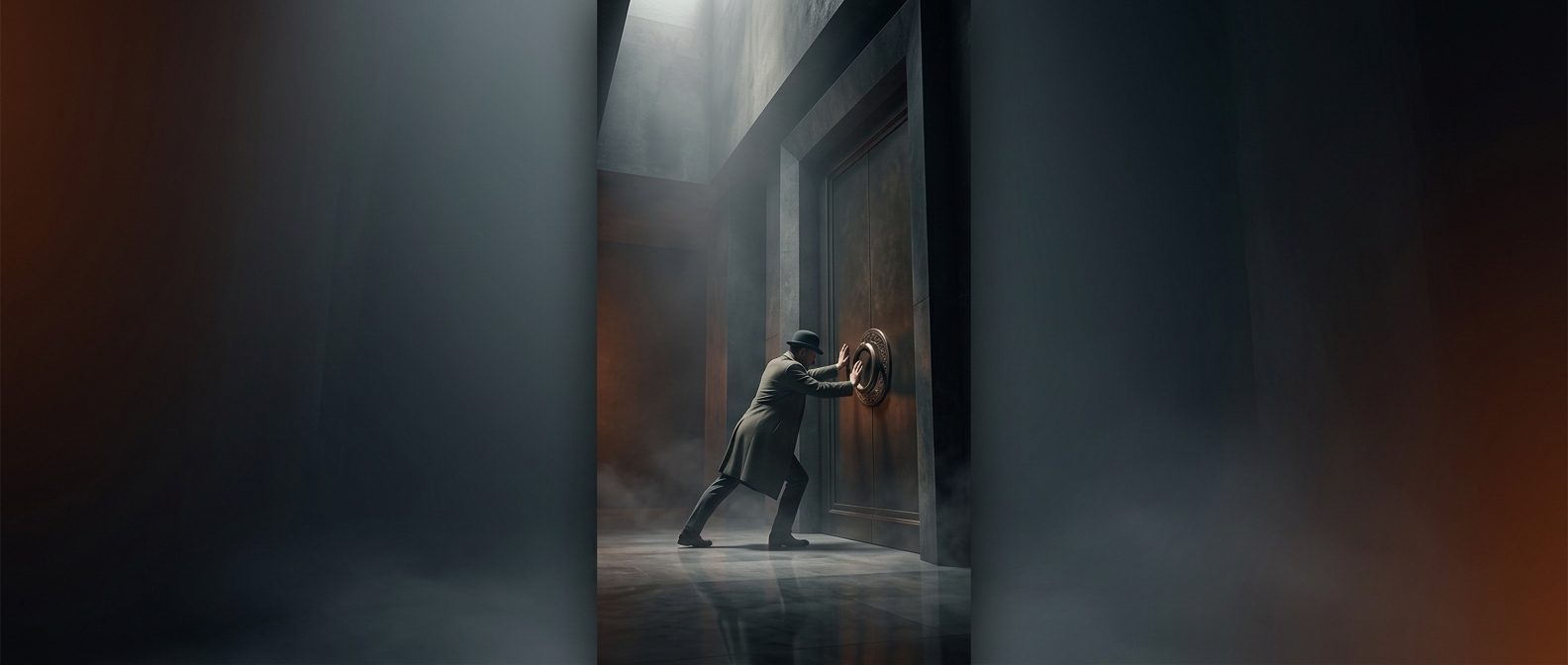
The cue works because people often act on a quick reading of a scene rather than pause to reason through every object. As you approach, your eyes pick out the handle and your brain links its familiar shape to a familiar movement. Your hand may begin that movement before you have checked which side the hinges are on. If the cue and the door’s mechanics conflict, the mistake appears in the brief gap between expectation and feedback: the door stays put, and you have to revise your plan.
The small lesson in the failed attempt
That revision is usually immediate. Resistance tells you the first action did not work; you push instead, and the door moves. The stumble is minor, but it reveals how much ordinary behavior depends on objects making their intended use clear. A sign can spell out “push,” yet the shape of the handle may still speak more quickly because it is already part of the movement you are preparing to make.
A well-designed door aligns its cues with its mechanics. When it does not, the result is not simply a user being inattentive: the object has offered competing instructions. For one second, your hand follows the design’s suggestion, while the door follows its hinges.