How a Video Gets from a Scrambled File to the Screen
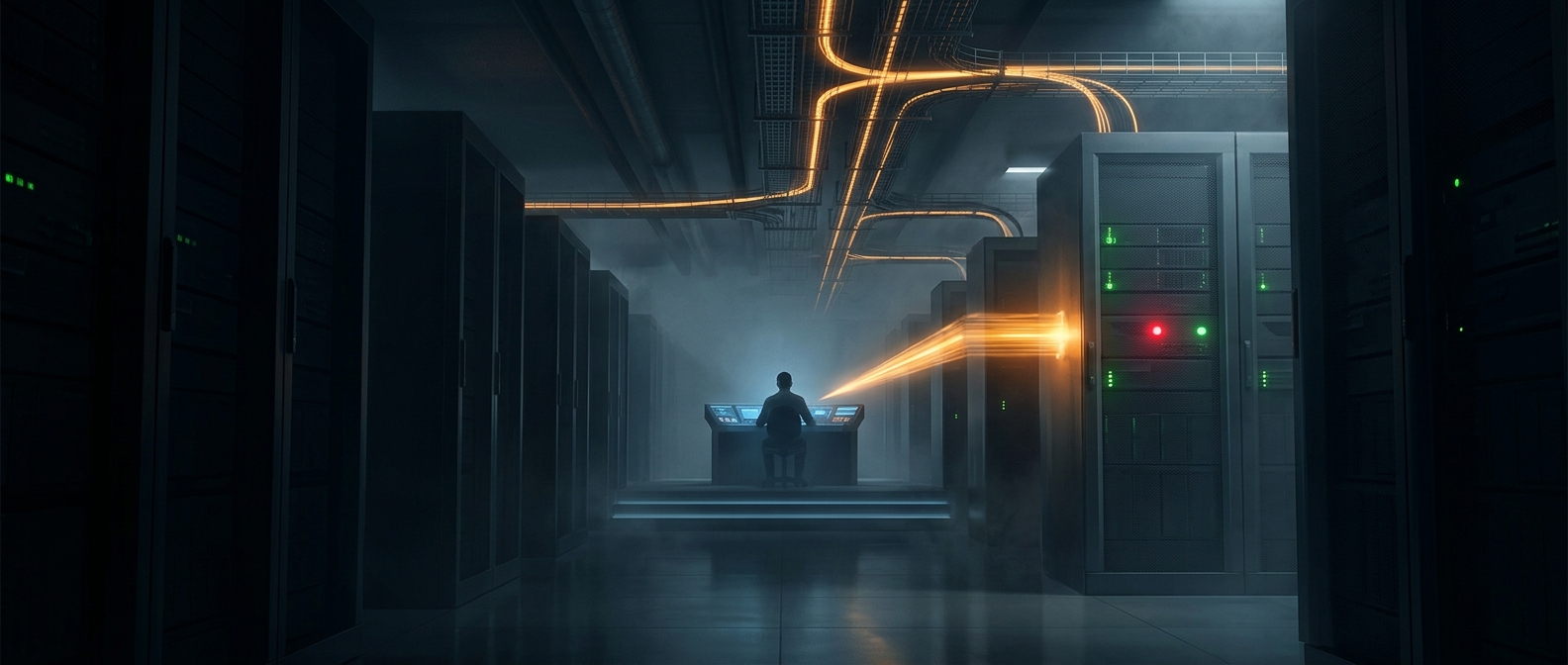
A protected movie is typically stored as encrypted data: its bytes have been transformed so they look meaningless without a secret key. The key is not simply bundled in readable form beside the film. Instead, playback software asks a licensing system for permission, and the system issues the key only if the account, device, and viewing conditions meet the service’s rules.
That permission is commonly packaged as a license—a small set of instructions and cryptographic information that tells an approved player how the content may be used. The player checks the license, then decrypts the movie in short pieces as they are needed. This avoids having to turn the entire file into an unprotected copy before playback begins.
The Vulnerable Moment Is the Handoff
Encryption protects a file at rest and while it travels across a network, but a screen cannot show encrypted pixels. At some point, the player must turn the data back into images and sound. Protection systems therefore try to keep that brief, usable version inside a restricted part of the device, rather than exposing it to ordinary apps that could copy it.
That creates an engineering tradeoff: the device must be powerful enough to decode and display the stream smoothly, yet restrictive enough to limit access to the key and decrypted video. If the device cannot satisfy the service’s security checks, playback may be denied or limited in quality. The movie can appear perfectly ordinary to a viewer while the underlying file remains scrambled—and the invisible chain of checks determines whether it can reach the screen at all.