How a zoological puzzle became a mythical homeland
“Lemuria” began as a scientific guess, not an occult teaching. In 1864, zoologist Philip Sclater proposed that a now-sunken landmass in the Indian Ocean might explain why lemurs and related animals were found in Madagascar and parts of Asia. The idea belonged to an era before scientists understood plate tectonics—the movement of Earth’s crust, which later explained many patterns in the distribution of plants and animals.
Theosophists took the name and gave the lost continent a much larger role. In Helena Blavatsky’s esoteric history of humanity, Lemuria became the home of an early human “root race,” one stage in a vast spiritual evolution. The continent was no longer just a possible bridge for animals; it was a setting for humanity’s remote, prehistory-like past.
Bodies from a different stage of humanity
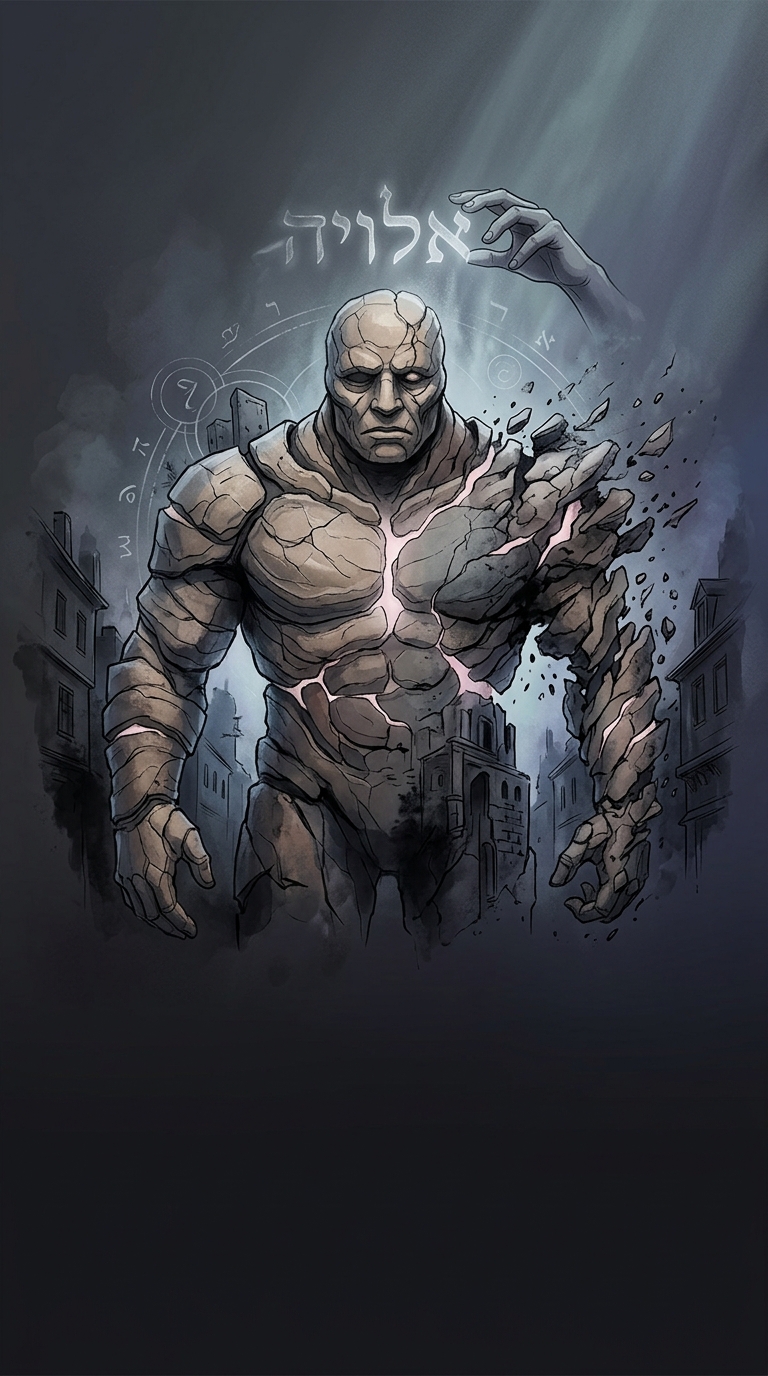
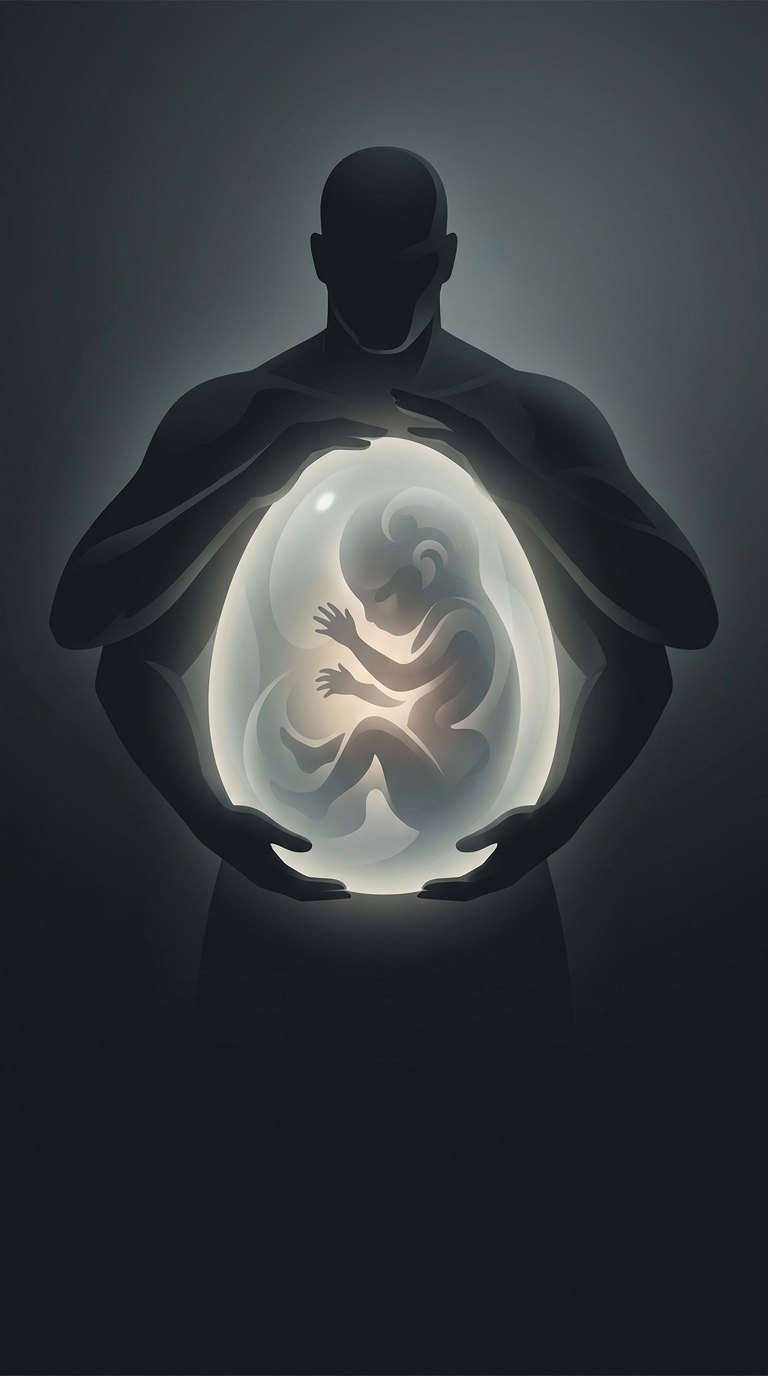
The strange physical descriptions followed from that framework. Theosophical accounts portrayed Lemurians as enormous beings—often described as 15 feet tall—with four arms and bodies that were both male and female. They supposedly reproduced by laying eggs. These traits marked them as radically unlike modern people, whose bodies and reproduction represented a later stage in the system’s imagined evolution.
That is why the details were more than colorful embellishments: they helped make a hidden spiritual chronology seem like a history of changing bodies. Theosophists presented these claims as occult knowledge, not as observations supported by fossils or other physical evidence.
A continent that outlived its original explanation
The appeal of Lemuria lay partly in its double life: it borrowed the authority of a scientific-sounding name while offering a sweeping story about human origins. As geology developed, the proposed land bridge lost its scientific role, but the esoteric continent remained available for new spiritual and popular retellings. Its giant, egg-laying inhabitants show how completely theosophy transformed a tentative zoological hypothesis into a mythology of humanity’s beginnings.