How Hongi Hika turned royal gifts into muskets
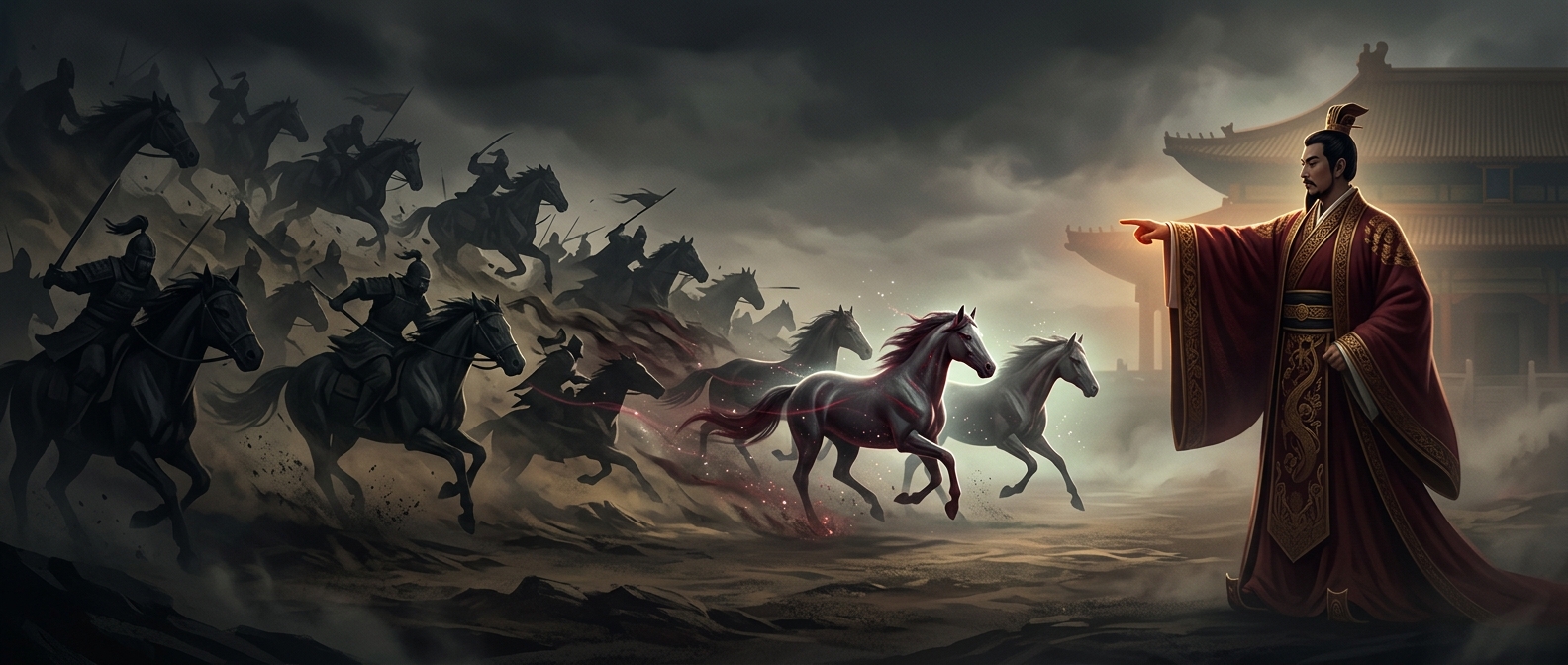
Hongi Hika, a leading chief of Ngāpuhi in northern New Zealand, went to Britain in 1820 with missionary Thomas Kendall. The journey had diplomatic and practical purposes: Hongi sought knowledge and connections abroad, while British supporters hoped to strengthen missionary work. In London, he met King George IV and received gifts, including armor.
On the voyage back, Hongi stopped in Sydney, then a British colonial settlement. There he exchanged or sold valuable gifts for firearms. The crucial advantage was not the armor itself but what it could buy: muskets, flintlock guns that fired a lead ball and could be reloaded faster than many traditional weapons.
Why a new weapon changed the stakes
Muskets were difficult to use effectively. They needed powder and ammunition, took time to reload, and were less dependable in wet conditions. But in battles, even an imperfect firearm could strike an opponent from a distance and make old defenses more dangerous to approach. Access to guns also encouraged communities to seek more weapons and ammunition, creating pressure to keep up with rivals.
Hongi’s return with firearms strengthened Ngāpuhi’s ability to wage war. In the following decades, muskets spread through Māori communities and intensified conflicts later called the Musket Wars. These were not one continuous campaign launched by Hongi, nor simply a single act of vengeance: rivalries, earlier grievances, alliances, and the pursuit of territory all shaped the fighting. The uneven distribution of guns, however, could give one group a temporary military edge—and prompt others to acquire weapons in turn.
A short-lived advantage, a lasting upheaval
Hongi’s purchases helped accelerate a wider arms race. As more communities gained muskets, the initial advantage diminished, but the scale and risks of warfare had changed. A royal gift intended as a mark of respect had become a means to buy weapons that helped reshape power relations across Aotearoa.