A product name hidden in the keyboard
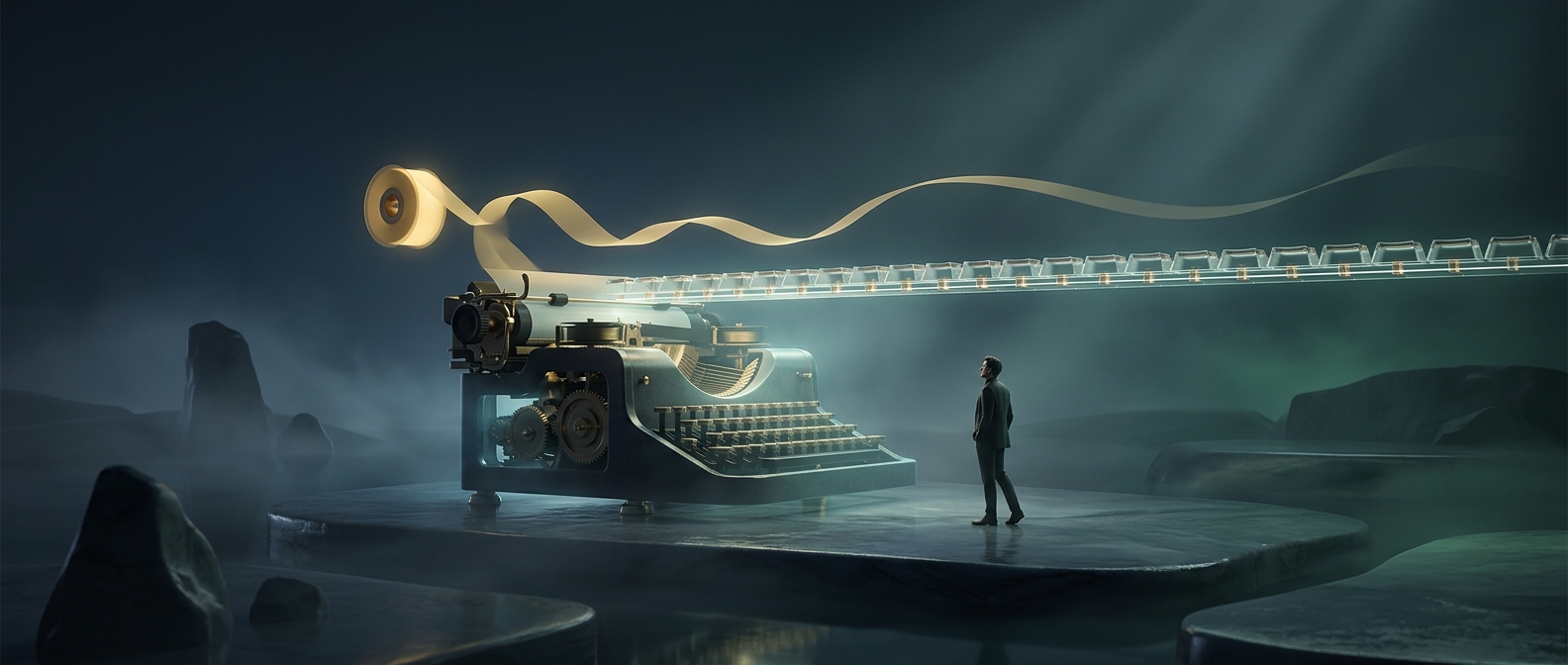
On a standard QWERTY keyboard, the top letter row runs from Q through P. The word typewriter can be typed using only those keys: T, Y, P, E, W, R, I, T, E, R. That makes it a handy demonstration word—long enough to look impressive, yet reachable without moving to another letter row.
A sales trick, not a settled design story
Some historians suspect Christopher Sholes arranged the keys with that demonstration in mind, so salesmen could quickly type the machine’s name. It is an appealing explanation, but it remains a theory rather than a documented certainty. The keyboard took shape through the development of an unfamiliar mechanical device, and its layout should not be reduced to a single clever sales decision.
On early typewriters, pressing a key sent a typebar—a small metal arm bearing a letter—toward the paper. A demonstration could make the machine’s purpose instantly visible: the salesman typed its name, and the device printed it. If the top-row arrangement was deliberate, it turned the keyboard itself into a tiny advertisement. The word still carries that neat coincidence every time someone spots it.